☆1852 UNCLE TOM'S CABIN 1ST EDITION VOL. 1 & 2 Harriet Beecher Stowe
$ 136.76
Description
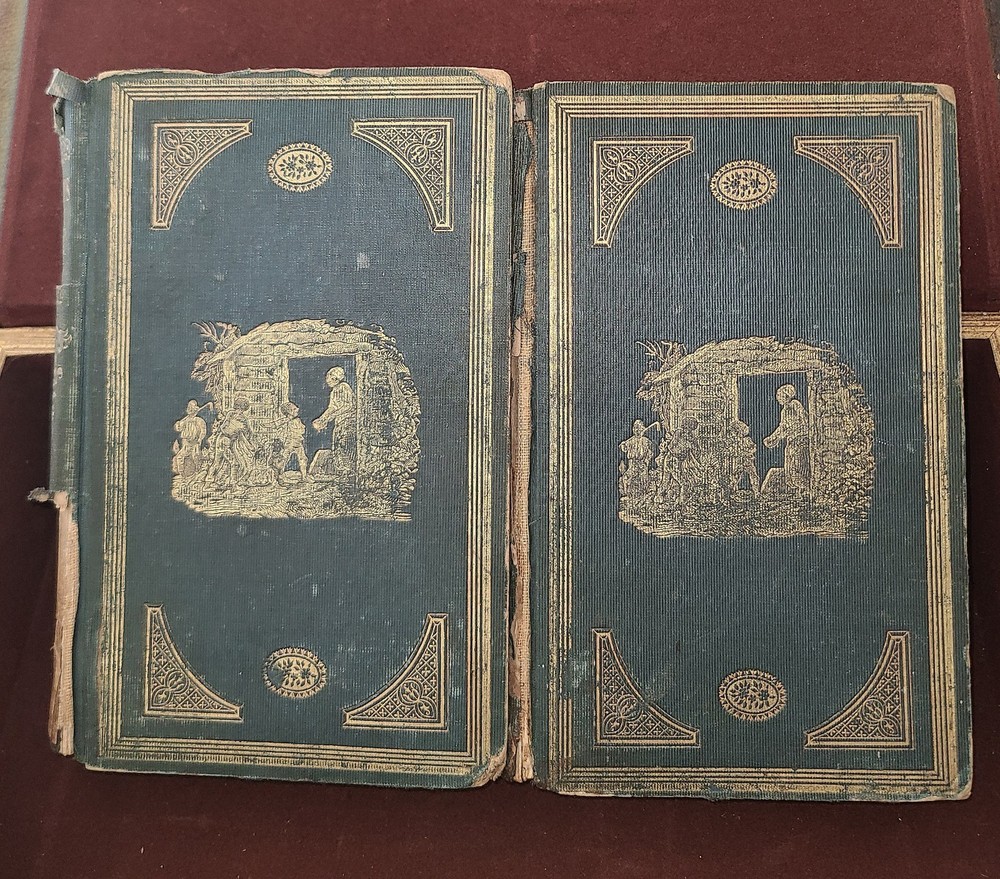
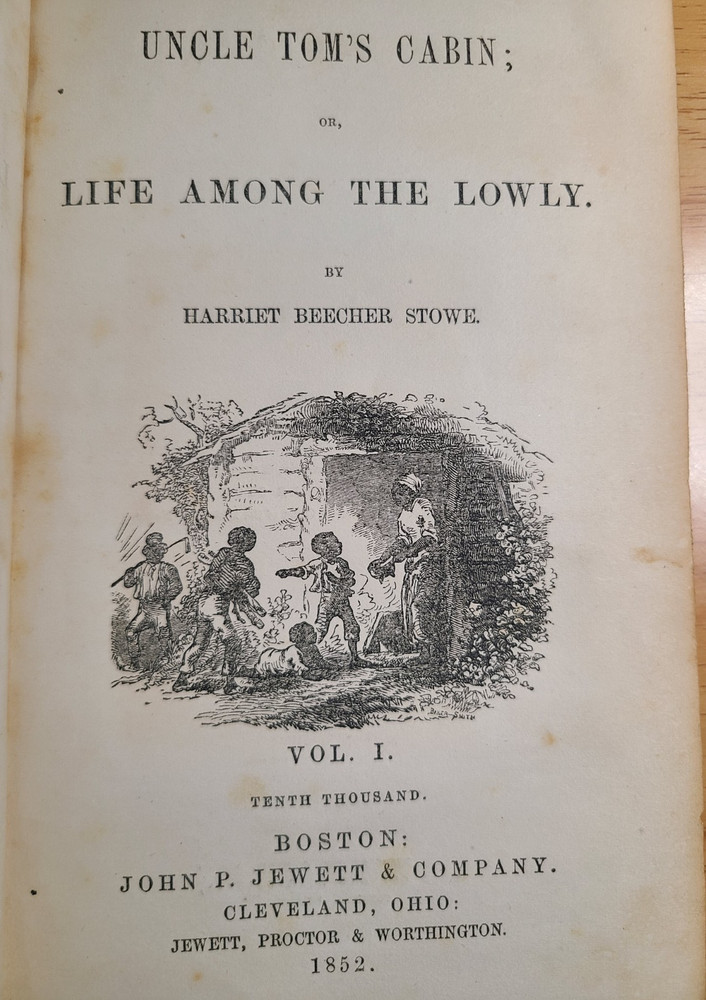
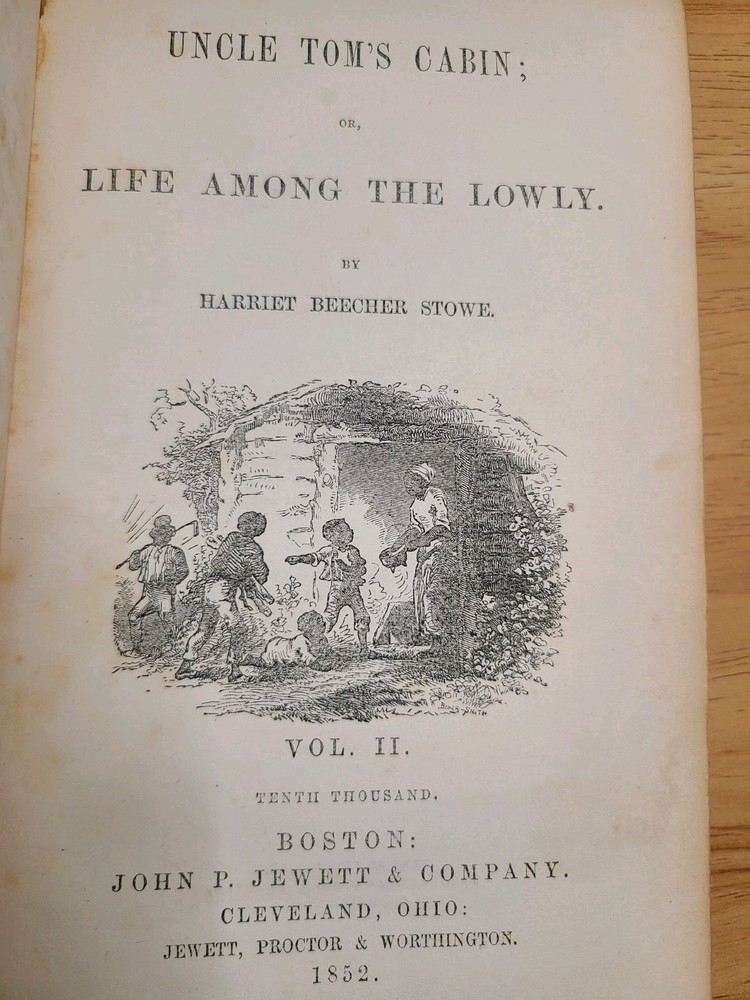
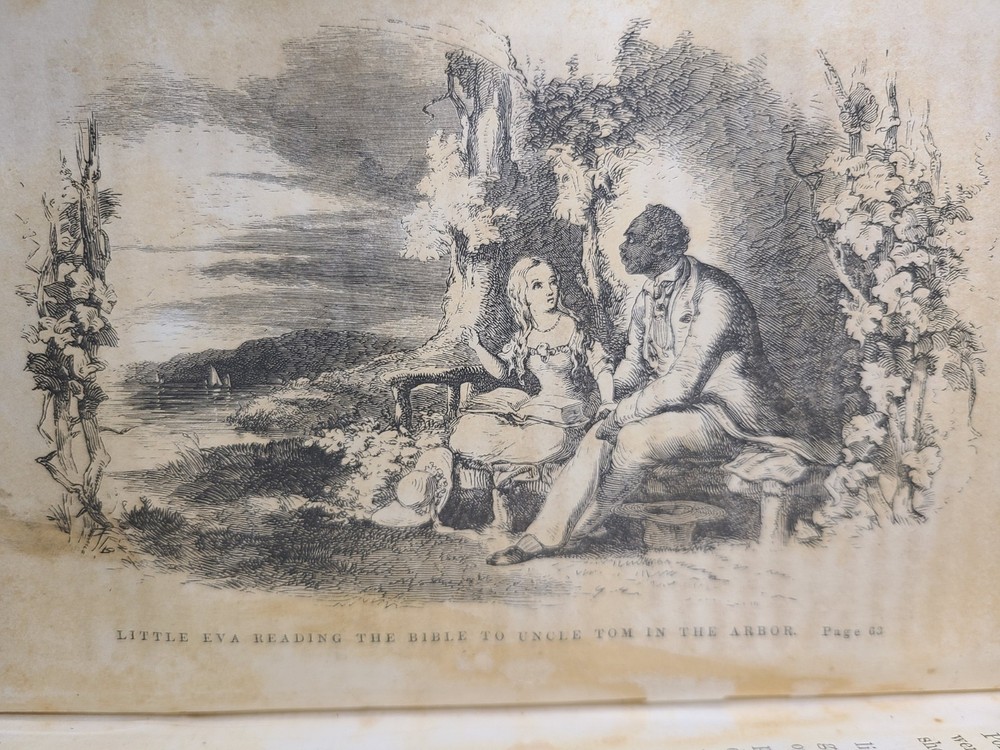
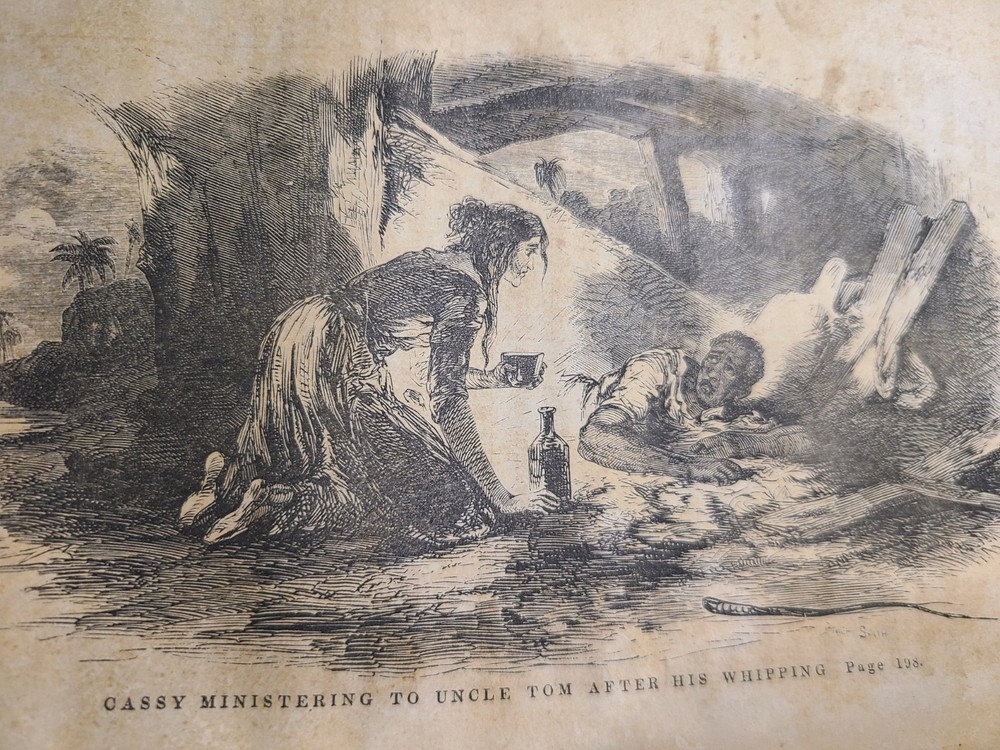
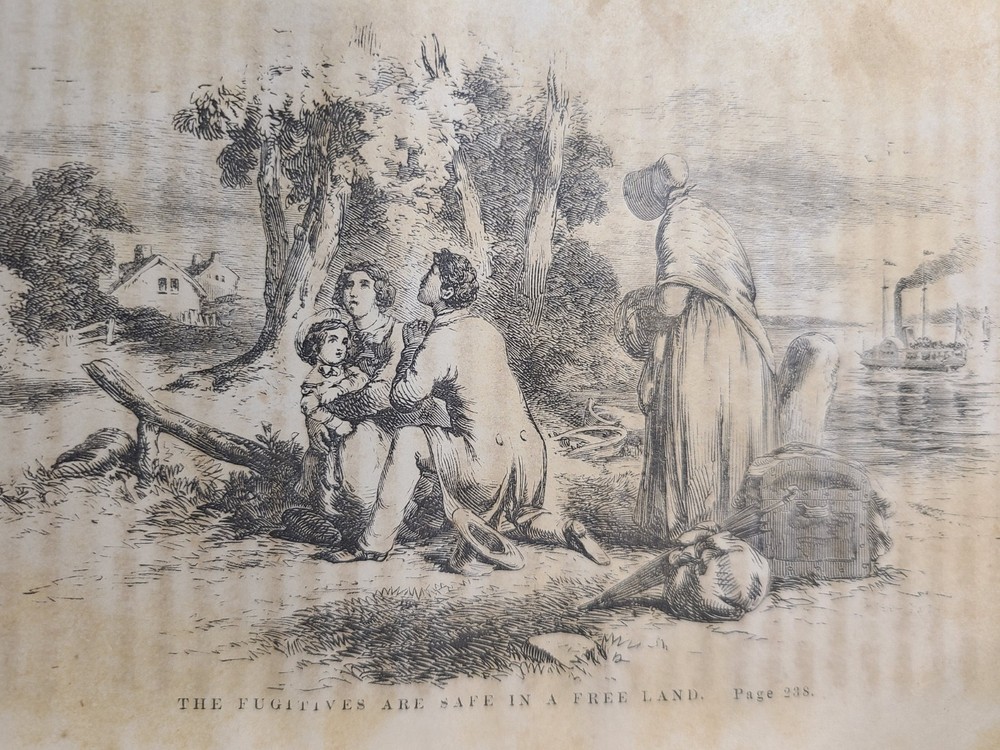
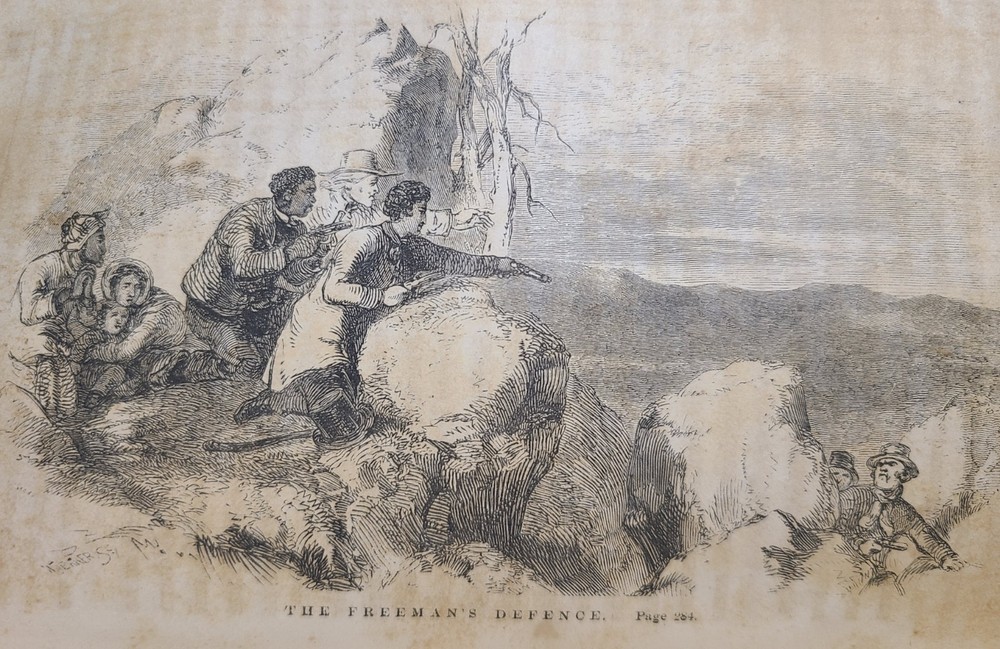
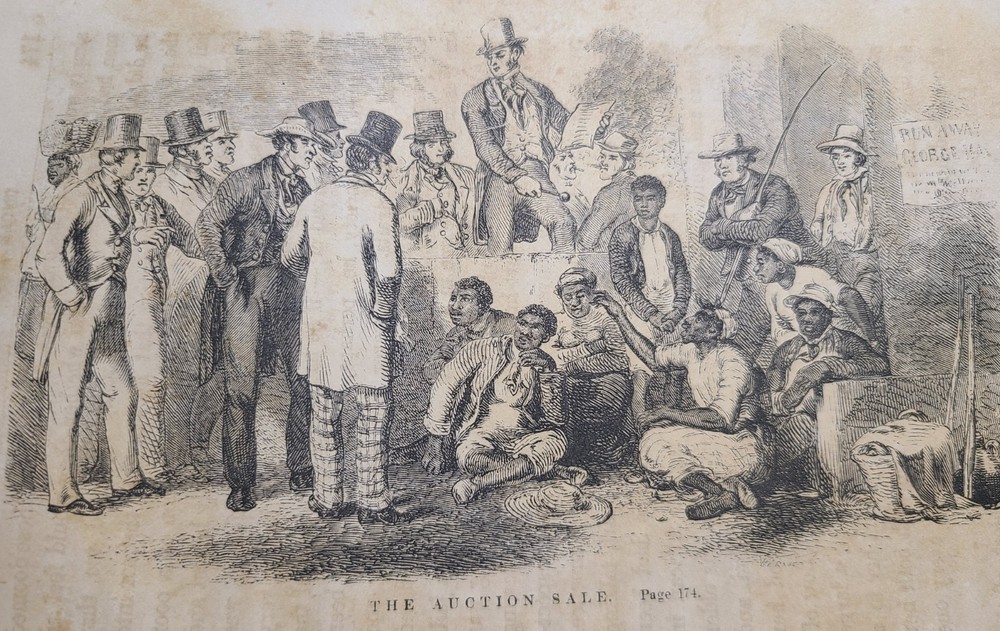
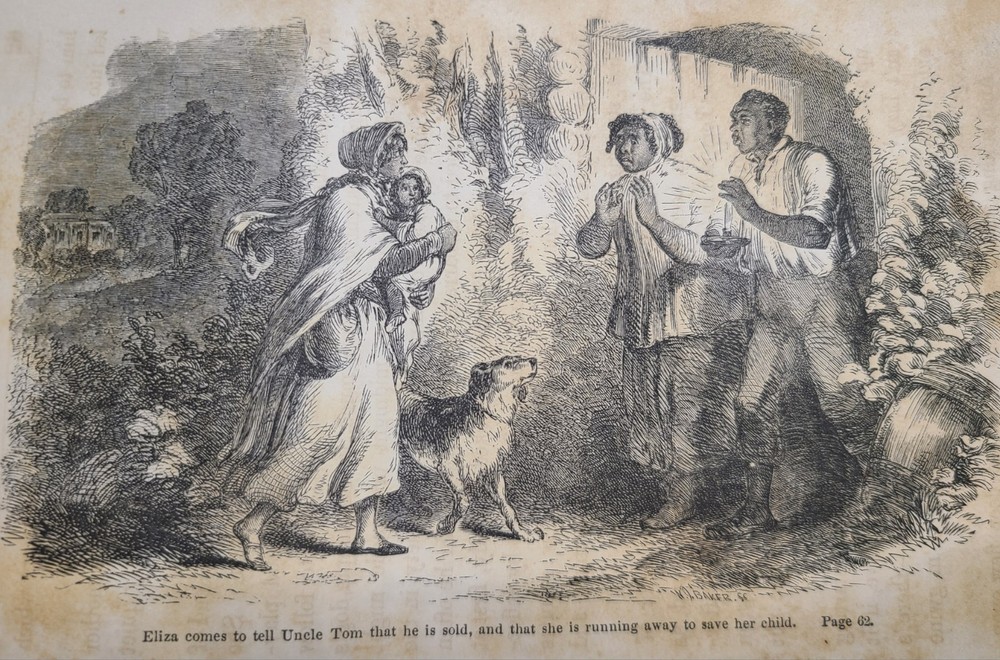
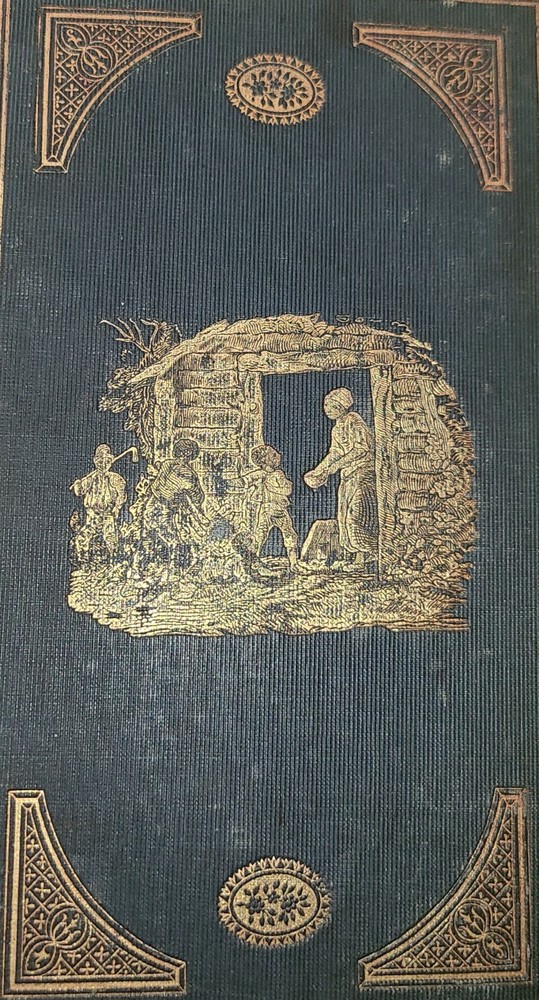
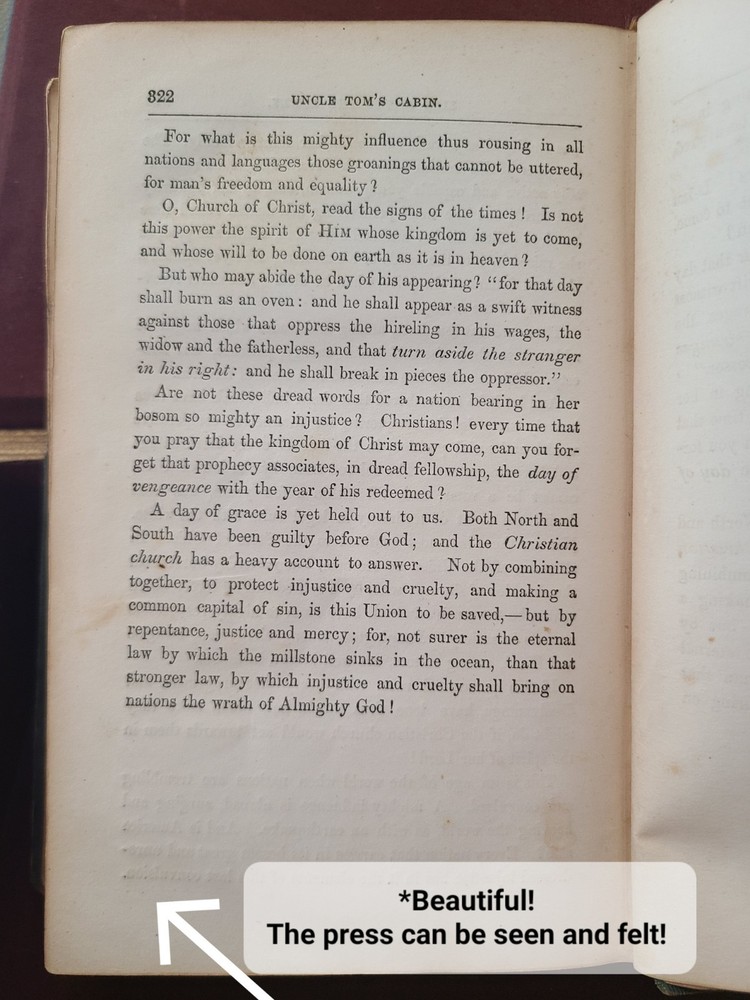
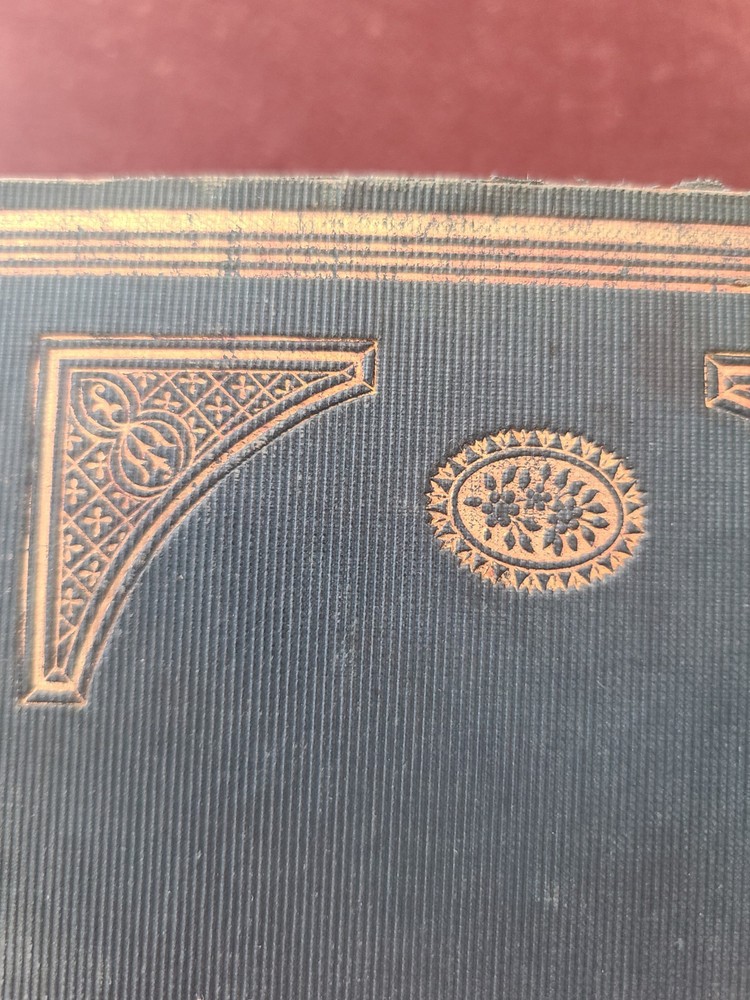
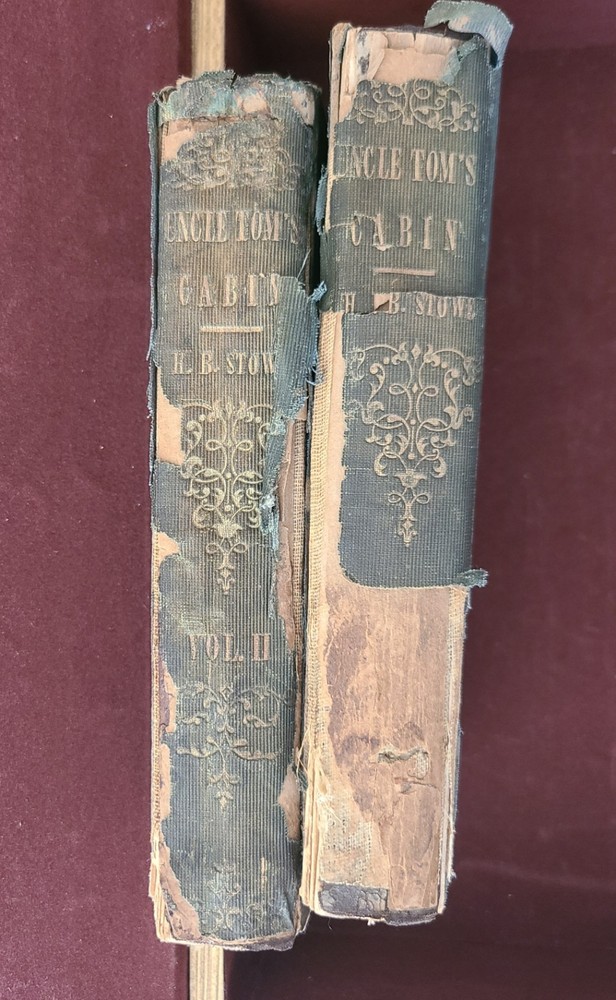
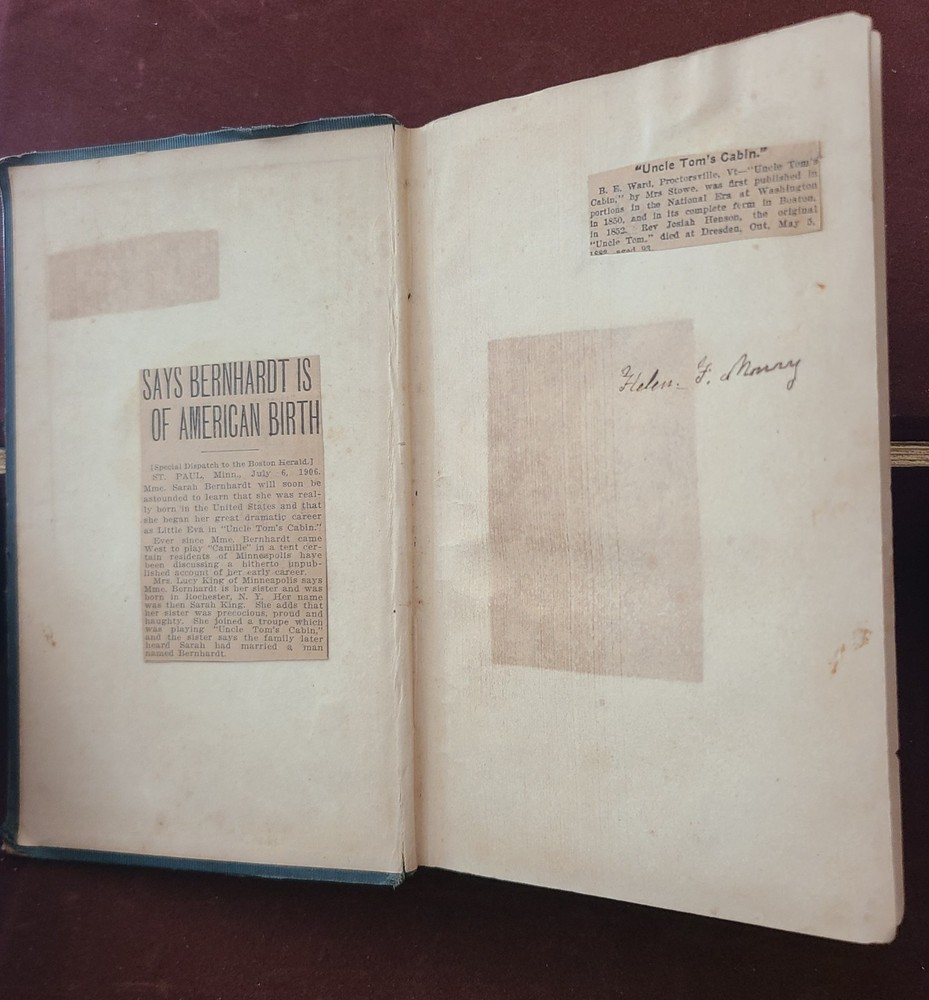
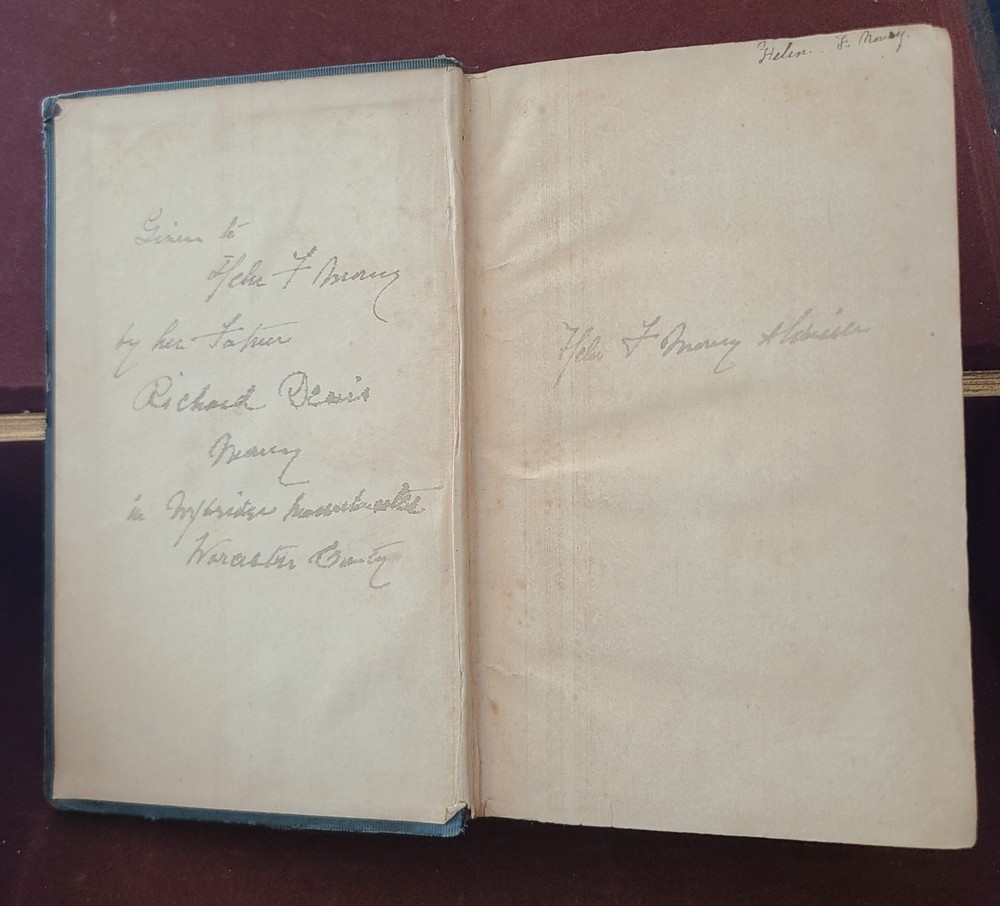
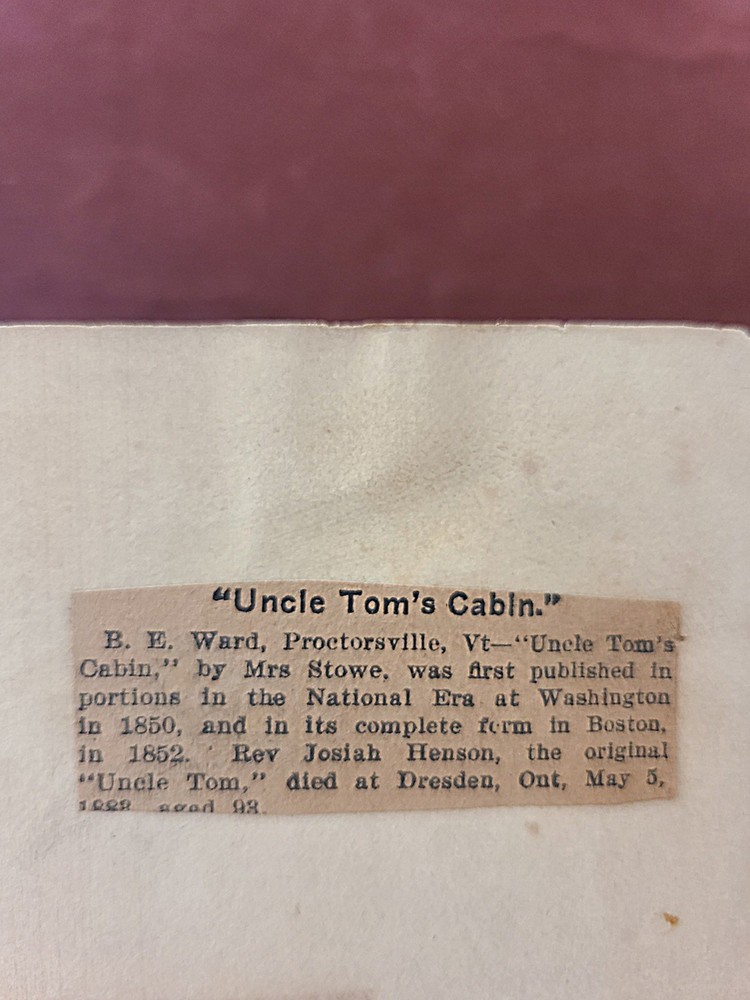
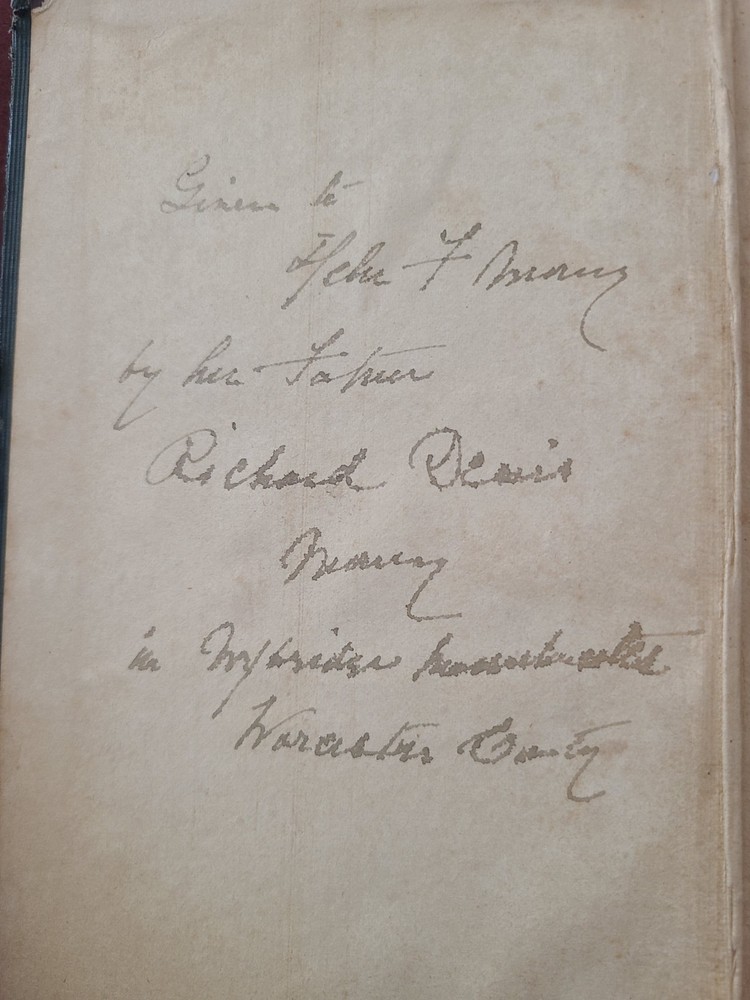
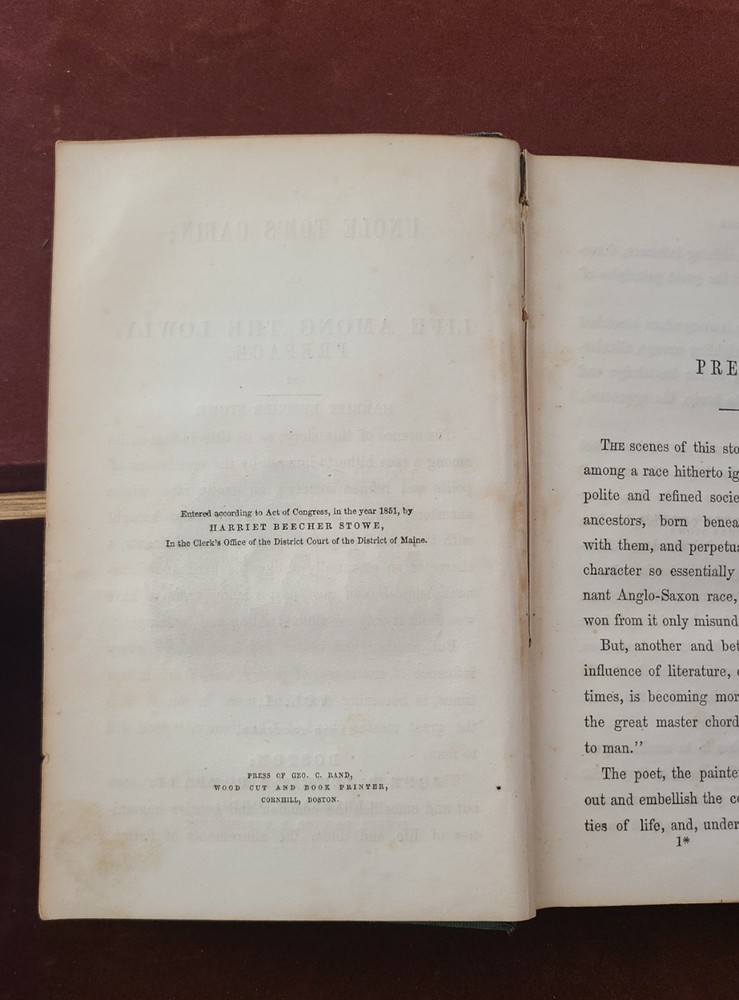
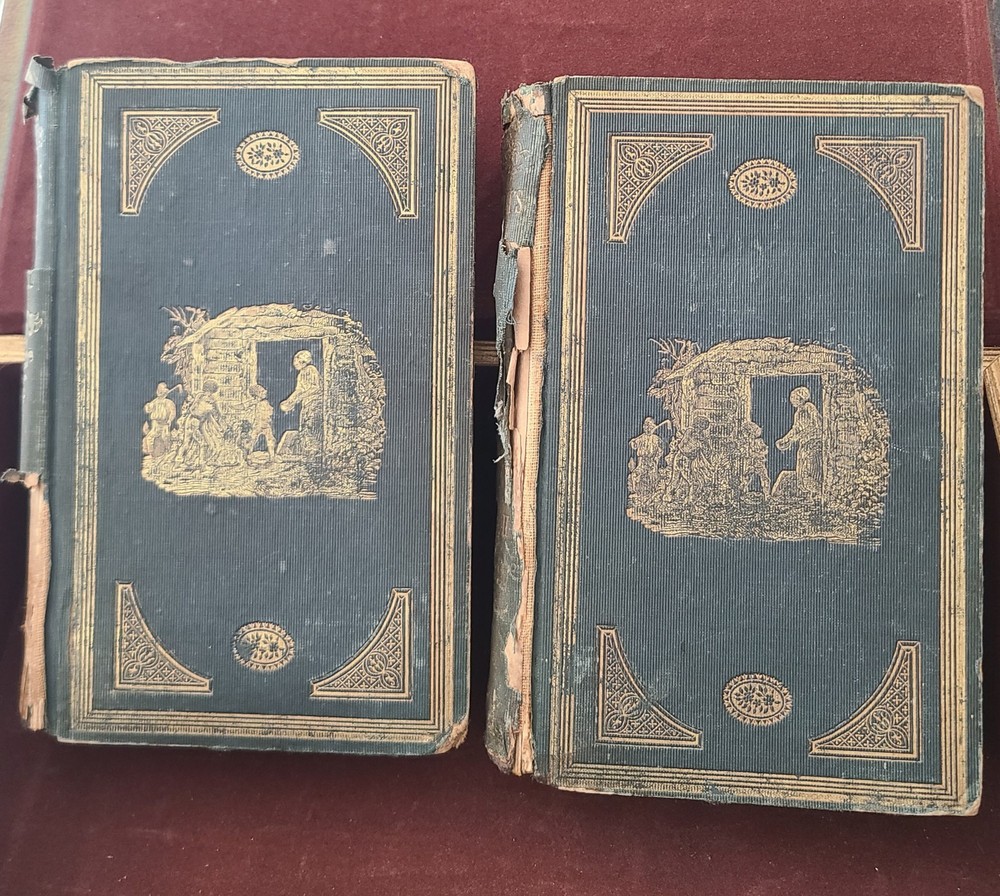
☆1852 UNCLE TOM'S CABIN 1ST EDITION VOL. 1 & 2 Harriet Beecher Stowe . Very Rare 1852 1st Edition Print Uncle Tom's Cabin or Life Among the Lowly. Written by abolitionist Harriet Beecher Stowe to expose the horrors of slavery. Well educated in a large, abolitionist family, Stowe was. Very Rare 1852 1st Edition Print Uncle Tom's Cabin or Life Among the Lowly. Written by abolitionist Harriet Beecher Stowe to expose the horrors of slavery. The second best-selling book of the 19th century, only bested by the Bible. The first edition of 5,000 copies immediately sold out, as did a second printing. The publisher remarked that "three power presses are working twenty- four hours per day, in printing it, and more than one hundred book-binders are incessantly plying their trade to bind them, and still it has been impossible, as yet, to supply the demand." Each of the two Volumes measure 5 1/8" by 7 7/8" and are bound in their original, gold gilt illustrated hard covers. Both Volumes have wear, (see photos), but are complete and retain all endpapers. Uncle Tom's Cabin was originally published serially over 40 weeks in the abolitionist journal (Newspaper) The National Era, beginning June 5, 1851 to April 1, 1852. It was first published in book form on March 20, 1852. Published by John P. Jewett in two volumes with six illustrated plates by Hammett Billings. What make rare books rare, especially when you're talking about first editions volumes from that second run of 5,000 are marked "Tenth Thousand." Volumes with higher numbers are also first editions, but not first imprints. Volumes from that first imprint also contain 20 distinct printer's errors which were corrected in later print runs. This illustrated hardcover set, consisting of volumes 1 and 2, is a valuable addition to any literature and fiction collection. With its historical significance and iconic author, this original edition is a sought-after piece for collectors and enthusiasts of American literature. The beautifully illustrated pages bring the story to life, making it a unique and special find for any book lover. Additional Information: Bound in their original, matching, gilt Ilustrated cloth covers. Bindings have wear and both complete and retains its original endpapers The interior pages are complete. Some pages are lose, but still bound. Well educated in a large, abolitionist family, Stowe was already involved in anti-slavery activities by her early 20s, including participation in the Underground Railroad. With the passage of the Fugitive Slave Act in 1850, the "number of kidnappings and forcible re- enslavements of black people was growing almost daily" (Hedrick, 205), and Stowe chafed at the tepid 'esponse of those around her: "You don't know how my heart burns within me at the blindness and obtuseness of good people on so very simple a point of morality as this [.] I feel as if my heart would burn itself out in grief and shame that such things are" (1 Feb 1851 letter to Henry Ward Beecher, quoted in Hedrick, 204- 5). Having already written a few well-received anti- slavery pieces for THE NATIONAL ERA, Stowe was nspired to compose an anti-slavery novel through the urging of her sister, who had told her "if I could use a pen as you can, I would write something that would make this whole nation feel what an accursed thing slavery is" (quoted in Hedrick, 207). The result turned Stowe into "the little woman who wrote the book that made this great war," as Abraham Lincoln allegedly quipped (alas, apocryphally). AIready deeply versed in the literature of fugitive slave narratives and armed with decades of firsthand experience assisting those who self-emancipated, Stowe composed a narrative that owed much to the actual experiences and accounts of formerly enslaved people.