1879 Epic Poem Lalla Rookh Thomas Moore Pre-Islamic Iran Zoroastrian Gift Idea
$ 10.56
Description
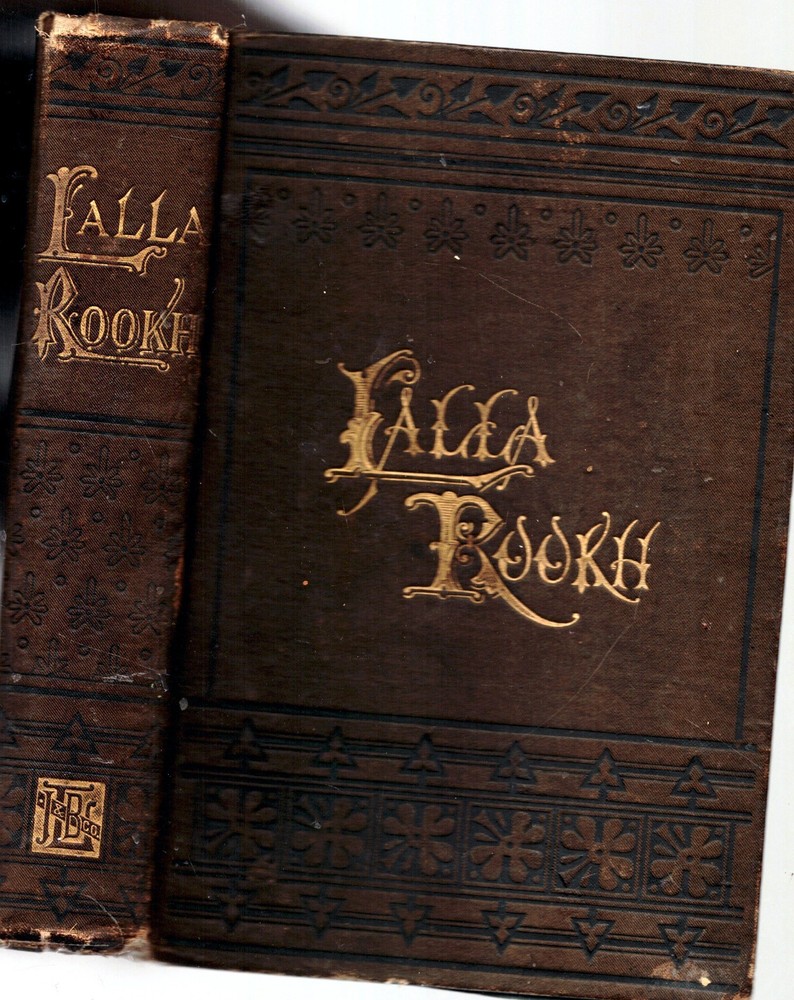
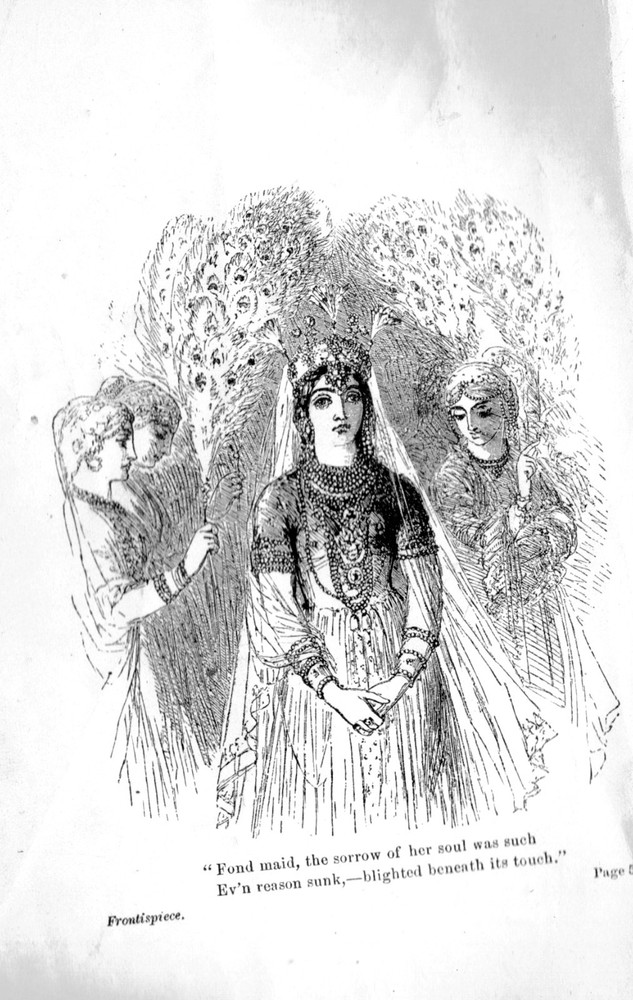
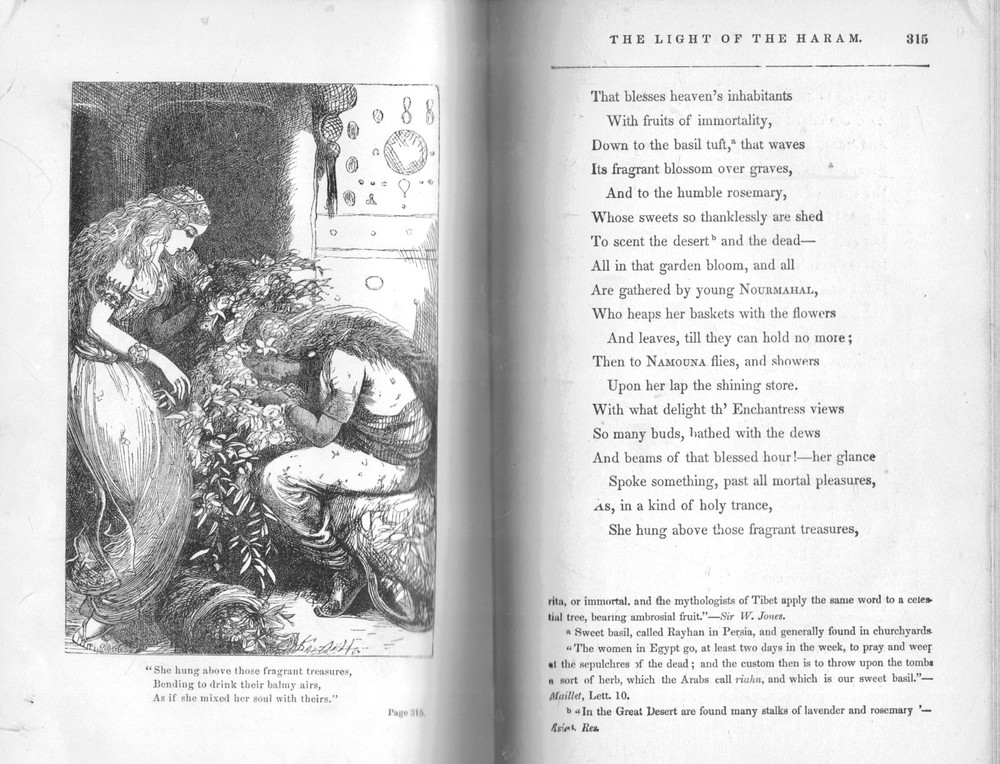
1879 EPIC POEM LALLA ROOKH THOMAS MOORE PRE-ISLAMIC IRAN ZOROASTRIAN GIFT IDEA. From 1879, a lovely Victorian era edition of an epic poem, Lalla Rookh, by Irish poet Thomas Moore, as published by J.B. Lippincott & Co., Philadelphia. Bound in brown Victorian decorated cloth. Key aspects of the poem. From 1879, a lovely Victorian era edition of an epic poem, Lalla Rookh, by Irish poet Thomas Moore, as published by J.B. Lippincott & Co., Philadelphia. Sized 8x5 inches, illustrated with full page prints. Bound in brown Victorian decorated cloth. Lalla Rookh, by Thomas Moore (1817), is a popular narrative poem set in an exotic, "Oriental" world, featuring an Indian princess traveling to marry a king she's never met, but falls for her disguised poet guide, Feramorz, who is secretly the king himself. The frame story is interspersed with four longer, interpolated tales sung by Feramorz, including "The Veiled Prophet of Khorassan," "Paradise and the Peri," and "The Fire-Worshippers," which explore themes of love, sacrifice, and identity. The work was immensely popular in its time, known for its lyrical beauty, rich imagery, and romanticized Eastern setting, though its fame has since declined. Key aspects of the poem: Frame Narrative: Lalla Rookh, daughter of the Mughal Emperor, journeys to Kashmir to marry the King of Bukhara. She is accompanied by the poet Feramorz, who tells her stories that mirror her own developing feelings. Interpolated Tales: The main body of the work consists of four separate poems: "The Veiled Prophet of Khorassan" "Paradise and the Peri" "The Fire-Worshippers" "The Light of the Harem" Themes: Love, duty, identity, and the contrast between appearance and reality are central, culminating in the revelation that Feramorz is the king she is meant to marry. Style: The poem is celebrated for its graceful language, abundant imagery, and imaginative fertility, though some critics found its brilliance excessive and its Eastern atmosphere overly romanticized. Historical Context: It capitalized on the vogue for Orientalism in 19th-century literature, following the success of Lord Byron's exotic narratives.