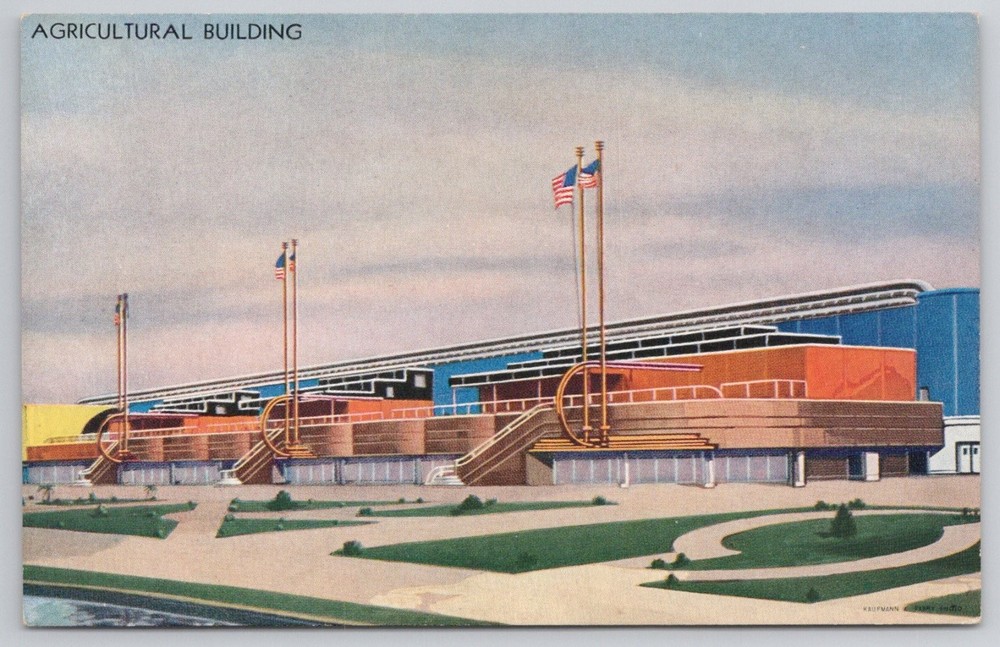
1933 Chicago World's Fair Agricultural Building A Century of Progress Postcard
$ 4.49
Description
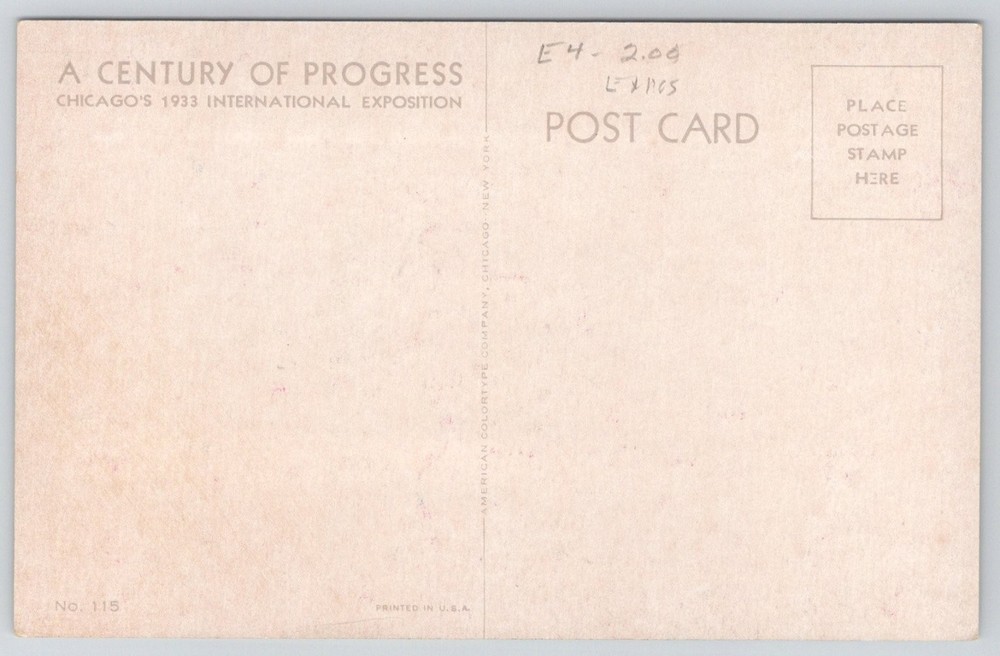
1933 Chicago World's Fair Agricultural Building A Century of Progress Postcard. This piece captures the essence of a bygone era and the optimistic vision of progress it represented. Thank you for visiting! This item is in stock and usually ships within 1 business day of your purchase. It will be shipped via ebay Standard Envelope which provides tracking information when it passes through the sorting machines for First Class mail. USPS workers have no way of scanning the barcode on the label. When it marks it as "out for delivery or delivered" it means it has arrived at your local sorting center, not your home address. Depending on your local postal route, it may take several days yet to arrive at your home. Also, consider possible weather delays in the actual time the service takes. Feel free to write if you have any questions. This vibrant vintage postcard showcases the striking Agricultural Building from the iconic 1933 Chicago World's Fair, officially known as "A Century of Progress International Exposition." The card captures the building's distinctive Art Deco and Modernist architectural style, characterized by its bold colors and tiered design, flanked by American flags. The detailed artwork highlights the innovative spirit of the fair, celebrating advancements in agriculture during this pivotal historical period. Produced by the renowned American Colortype Company, this collectible piece offers a glimpse into a significant event in Chicago's history and the broader context of 1930s design and innovation. The card's reverse confirms its origin from the 1933 Exposition and its publisher, making it a valuable addition for collectors of World's Fair memorabilia, Chicago history, or vintage architecture postcards. This piece captures the essence of a bygone era and the optimistic vision of progress it represented.