1963 Zulu Wars Isandhlwana Rorke's Drift Africa Illustrated Maps First Edition
$ 10.56
Description
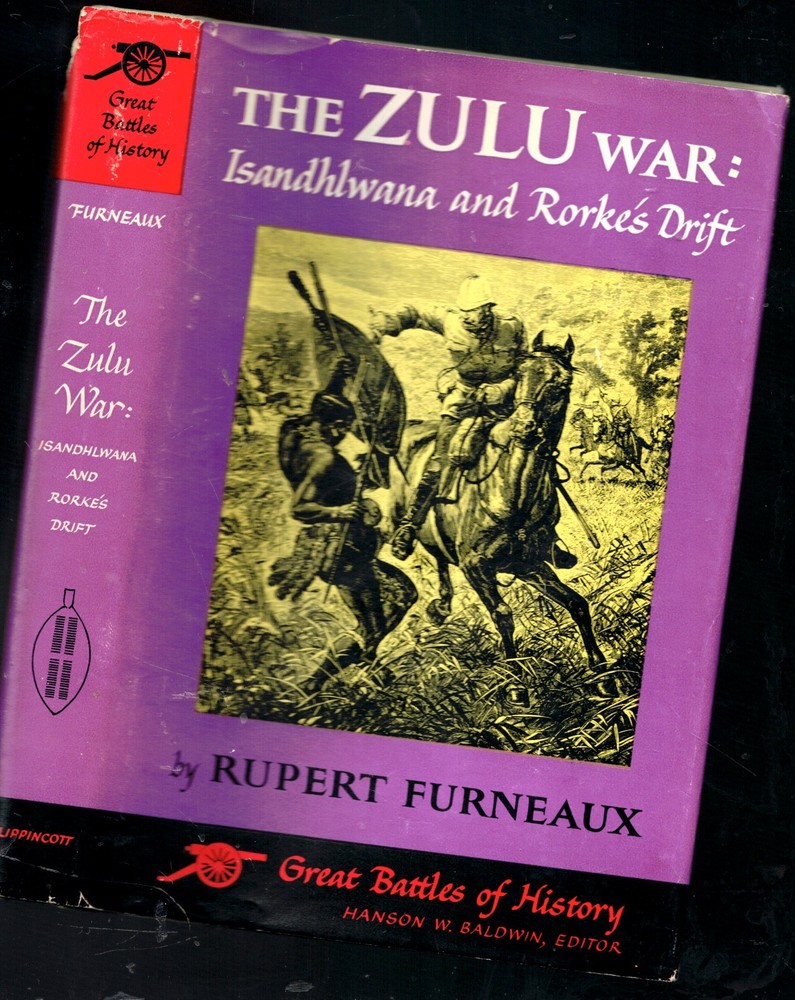
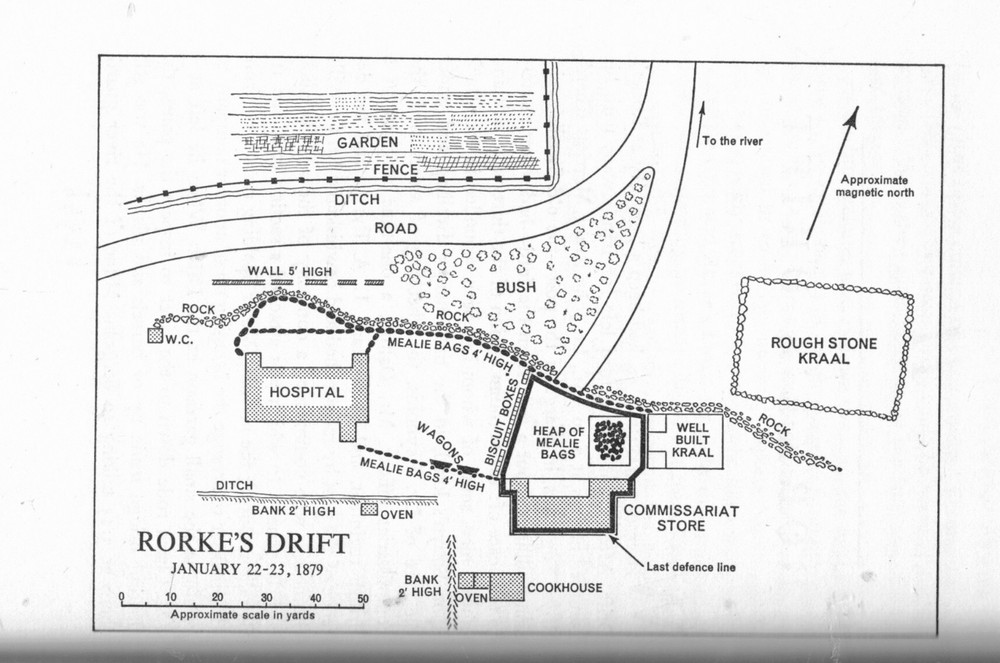
1963 ZULU WARS ISANDHLWANA RORKE'S DRIFT AFRICA ILLUSTRATED MAPS FIRST EDITION. A very good dust jacket. Frere, on his own initiative, sent a provocative ultimatum on 11 December 1878 to Zulu King Cetshwayo. Upon its rejection, he ordered Lord Chelmsford to invade Zululand. The war had several particularly bloody battles, including an opening victory for the Zulu at the Battle of Isandlwana, followed by the defence of Rorke's Drift by a small British Garrison from an attack by a large Zulu force. FROM 1963, a rare first edition, The Zulu War: Isandhlwana and Rorke's Drift, by Rupert Furneaux, as published by J.B. Lippincott Company, Philadelphia. Sized 8x5 inches, 210 pages. Illustrated with maps. A very good dust jacket. The Anglo-Zulu War, or simply the Zulu War, was fought in present-day South Africa from January to early July 1879 between forces of the British Empire and the Zulu Kingdom. Two famous battles of the war were the Zulu victory at Isandlwana and the British defence at Rorke's Drift. Following the passing of the British North America Act 1867 forming a federation in Canada, Lord Carnarvon thought that a similar political effort, coupled with military campaigns, might lead to a ruling white minority over a black majority in South Africa. This would yield a large pool of cheap labour for the British sugar plantations and mines, and was intended to bring the African Kingdoms, tribal areas, and Boer republics into South Africa. In 1874, Sir Bartle Frere was appointed as British High Commissioner for Southern Africa to effect such plans. Among the obstacles were the armed independent states of the South African Republic and the Zulu Kingdom. Frere, on his own initiative, sent a provocative ultimatum on 11 December 1878 to Zulu King Cetshwayo. Upon its rejection, he ordered Lord Chelmsford to invade Zululand. The war had several particularly bloody battles, including an opening victory for the Zulu at the Battle of Isandlwana, followed by the defence of Rorke's Drift by a small British Garrison from an attack by a large Zulu force. However, the British eventually gained the upper hand at Kambula, before taking the Zulu capital of Ulundi. The British eventually won the war, ending Zulu dominance of the region. The British Empire made the Zulu Kingdom a protectorate and later annexed it in 1887. The war dispelled prior colonial notions of British invincibility, due to their massive early defeats. Together with famines, diplomatic misadventures, and other unpopular wars overseas (such as the Second Anglo-Afghan War), it contributed to the ejection of Benjamin Disraeli's government from office in 1880, after only one term.