BALLANTINE VIETNAM 2 SKY SOLDIERS 173rd ABN US ARMY JUNCTION CITY DAK TO HBDJ
$ 5.26
Description
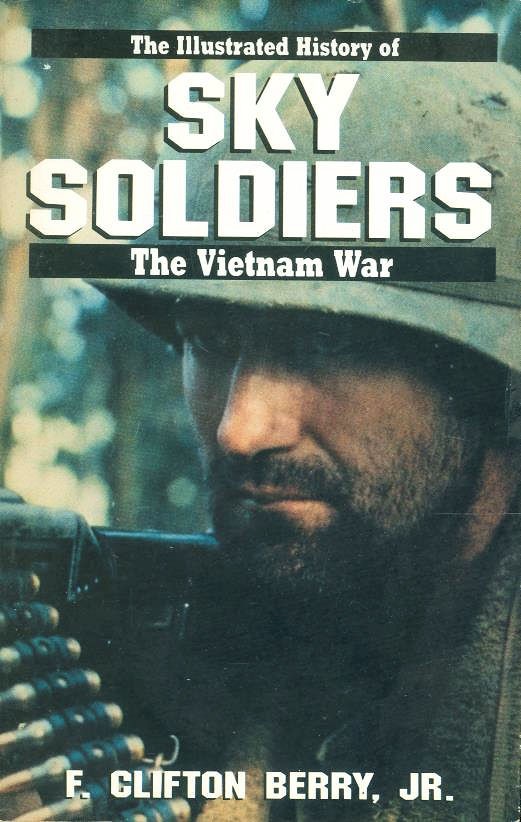
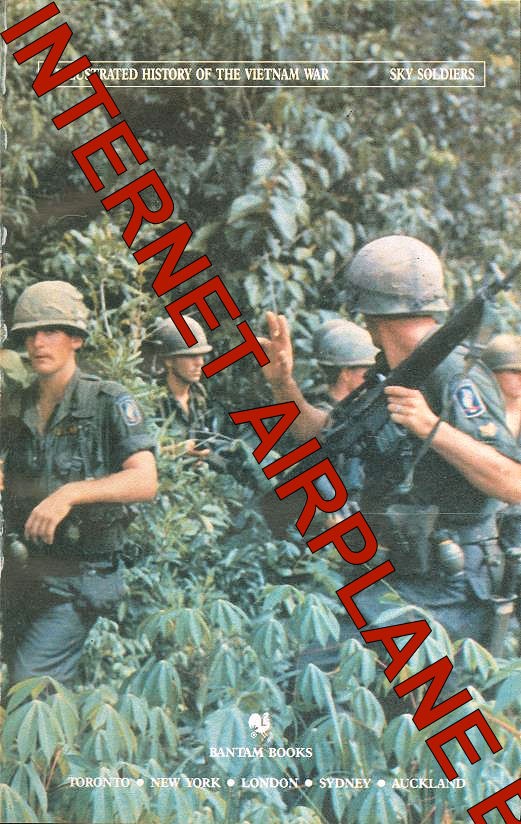
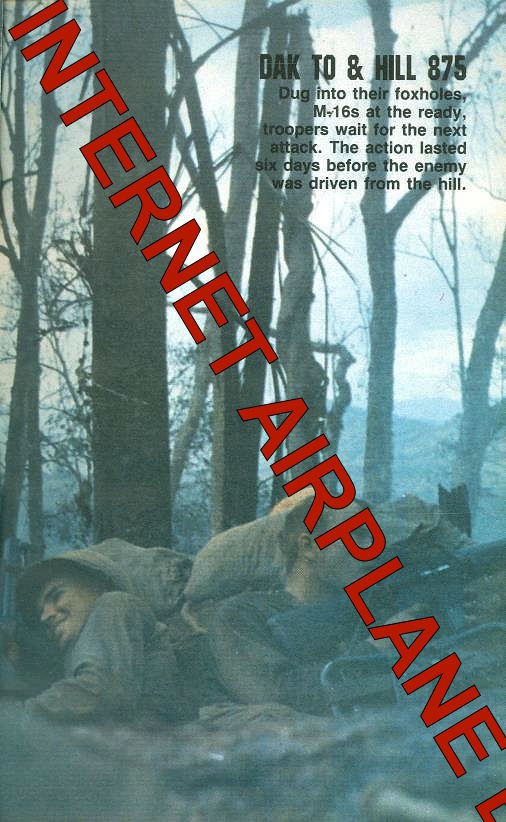
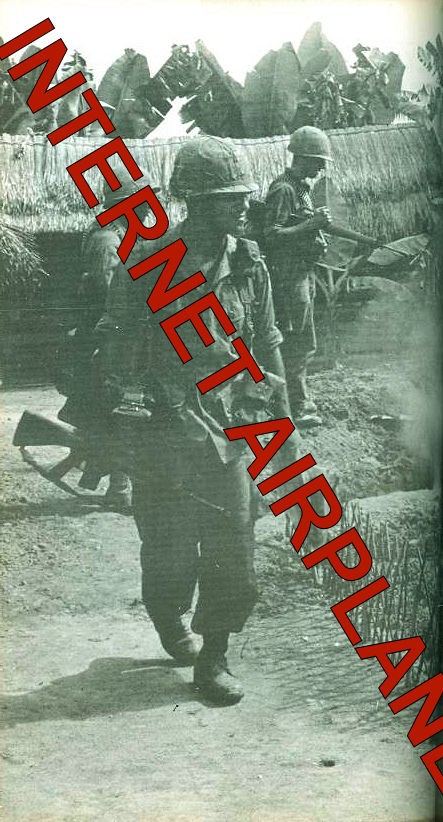
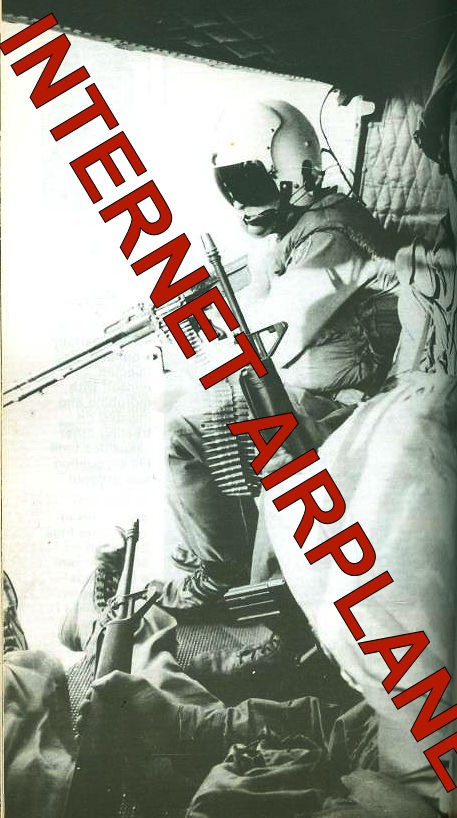
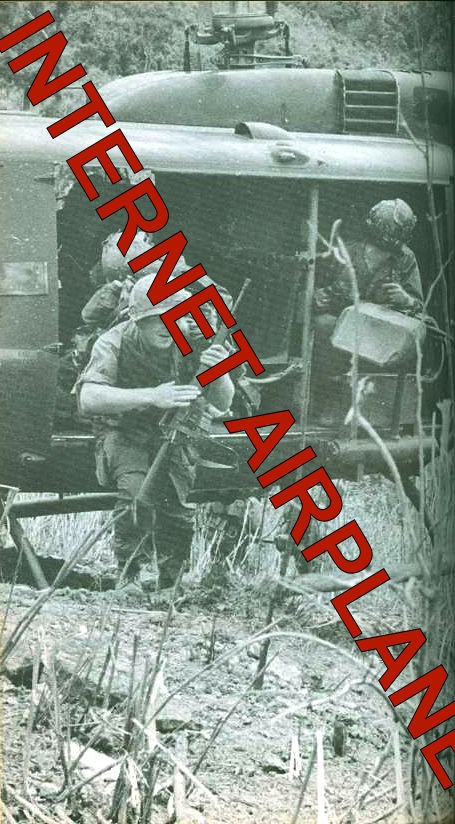
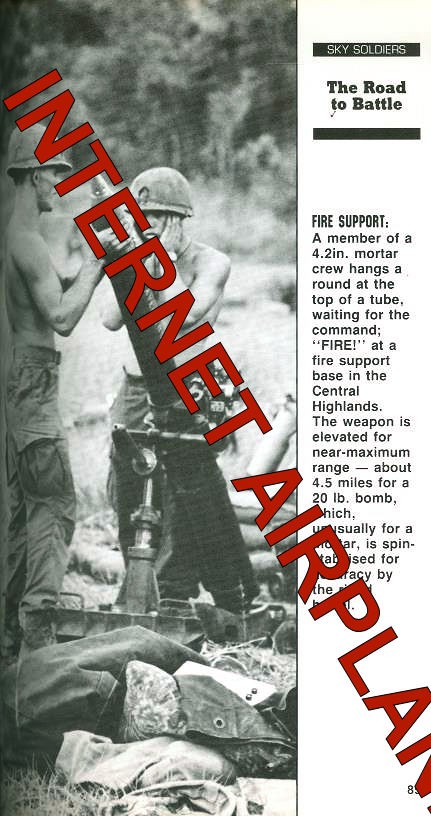
BALLANTINE VIETNAM 2 SKY SOLDIERS 173rd ABN US ARMY JUNCTION CITY DAK TO HBDJ. Late in August 1966, the 173rd received another infantry battalion, the 4th Battalion, 503rd Infantry from Fort Campbell, Kentucky. On 23 November, 2-503 and 4-503 were ordered to renew their assault while the 1st Battalion, 12th Infantry assaulted 875 from the south. BALLANTINE VIETNAM 2 SKY SOLDIERS 173rd ABN US ARMY JUNCTION CITY DAK TO HBDJ BALLANTINE VIETNAM 2 SKY SOLDIERS 173rd AIRBORNE US ARMY JUNCTION CITY DAK TO HILL 875 CMOH WEAPONS OPERATIONS CENTRAL HIGHLANDS THE ILLUSTRATED HISTORY OF THE VIETNAM WAR HARDBOUND BOOK with DUSTJACKET by F. CLINTON BERRY, Jr. DEPLOYMENT TO VIETNAM � QUICK REACTION OPERATIONS HELIBORNE OPERATIONS INTO THE IRON TRIANGLE (BEN CAT, BAO TRI, SAIGON, BEN SUC, PHU CUONGOPERATION HUMP & CRIMP) VIET CONG & NVA AUSTRALIAN TASK FORCE RAR CONGRESSIONAL MEDAL OF HONOR AWARDEES CMOH OPERATION MARAUDER � ORIENTAL RIVER TUNNEL RATS AIRMOBILE OPERATIONS JUNCTION CITY THE ROAD TO BATTLE - THE MOVE INTO THE CENTRAL HIGHLANDS OPERATION FRANCIS MARION PLEIKU JUNE 1967 GREEN BERET SPECIAL FORCES CAMPS DAK TO AND HILL 875 WEAPONS OF THE SKY SOLDIERS PACIFY AND CONTROL WINDING DOWN IN MEMORIAN ---------------------------------------------------------------------------------------------------- Additional Information from Internet Encyclopedia The brigade arrived in Vietnam on May 7, 1965, the first major ground combat unit of the United States Army to serve in the country. Brigadier General Williamson boldly predicted on arrival that his men would defeat the Viet Cong quickly and that they "would be back in Okinawa by Christmas".The 1st Brigade, 101st Airborne Division; the 2nd Brigade, 1st Infantry Division; and the 1st Cavalry Division quickly followed the 173rd into Vietnam, the first of what would eventually be 25 U.S. Army brigades to serve in the country. As larger US Army commands were established in Vietnam, the brigade was assigned to the III Corps and II Corps tactical zone, which they would serve in for the next six years. The brigade was put under the command of II Field Force, Vietnam. The 1st and 2nd Battalions, 503rd Infantry were the first Army combat units from the 173rd sent into South Vietnam, accompanied by the 3rd Battalion, 319th Artillery. They were supported by the 173rd Support Battalion, 173rd Engineer Company, Troop E/17th Cavalry and Company D/16th Armor. The 1st Battalion, Royal Australian Regiment and the 161st Battery, Royal New Zealand Artillery were attached to the brigade for one year in 1965. Late in August 1966, the 173rd received another infantry battalion, the 4th Battalion, 503rd Infantry from Fort Campbell, Kentucky. The 3rd Battalion, 503rd joined the brigade at Tuy H�a Province in September 1967 following the former's activation and training at Fort Bragg, North Carolina. The 173rd was also assigned Company N (Ranger), 75th Infantry. At its peak of its deployment in Vietnam, the 173rd Airborne Brigade (Separate) comprised over 7,000 soldiers. The brigade was the first unit sent into War Zone D to destroy enemy base camps, introducing the use of small Long Range Reconnaissance Patrols. On 8 November 1965, the 173rd took part in Operation Hump, just north of Bi�n H�a on the outskirts of Saigon, the capital of South Vietnam. They were ambushed by approximately 1,200 Viet Cong fighters, suffering 48 deaths. The unit fought in the Iron Triangle, a Viet Cong stronghold north of Saigon, seeing many engagements with enemy forces during that time. They participated in Operation Crimp in 1966, a failed attempt to root out enemy forces from the Cu Chi tunnels. The attached helicopter unit became the Casper Aviation platoon, befitting a separate infantry brigade as the only separate aviation platoon deployed in Vietnam. Casper platoon was part of the HHC 173rd Airborne Brigade and its members wore the brigade patch. The attached Assault Helicopter Company, the 335th AHC, the "Cowboys", deployed with the brigade all over Vietnam into mid-1968 and comprised the Airmobile capability along with the Caspers. Soldiers of the brigade became involved in Operation Attleboro in fall of 1966, an operation that started out as a small search and destroy mission north of Saigon but eventually involved 22,000 troops from 21 battalions. Soldiers of the brigade also took part in smaller humanitarian missions in between major combat operations. On 22 February 1967, the 173rd conducted Operation Junction City, the only combat parachute jump of the Vietnam War. The operation saw three brigades controlling eight battalions dropped by helicopters and US Air Force aircraft into War Zone C, in T�y Ninh Province. During the battle, the brigade operated out of the northeastern part of the war zone along with the 196th Infantry Brigade (Separate), as four other brigades from the 1st and 25th Infantry Divisions attempted to surround and destroy the 9th Viet Cong Division in the War Zone. The operation was a success, and the battered VC division fled. In August of that year, the brigade received its distinctive unit insignia. The soldiers chose to have it contain a parachute and dagger to symbolize their participation in Operation Junction City and the other heavy fighting they had been through. The DUI was also inscribed "Sky Soldiers" as homage to the nickname that the Taiwanese soldiers had given them. In the Summer of 1967, the 4th Infantry Division's 1st and 2nd Brigades were making heavy contact with enemy forces in the Central Highlands of Vietnam, in western Kon Tum Province. These heavy enemy contacts prompted division commander Lieutenant General William R. Peers to request reinforcement and, as a result, on 17 June, two battalions of Brigadier General John R. Deane's 173rd Airborne Brigade were moved into the Dak To area to begin sweeping the jungle-covered mountains in Operation Greeley. The 173rd had been operating near Bien Hoa Air Base outside Saigon and had been in combat only against NLF guerrillas. Prior to its deployment to the highlands, Peers' operations officer, Colonel William J. Livsey, attempted to warn the Airborne officers of the hazards of campaigning in the highlands. He also advised them that PAVN regulars were a much better equipped and motivated force than the NLF. These warnings, however, made little impression on the paratroopers, who were about to become victims of their own overconfidence. On 20 June, Company C, 2nd Battalion (Airborne), 503rd Infantry (C/2-503) discovered the bodies of a Special Forces CIDG unit that had been missing for four days on Hill 1338, the dominant hill mass south of Dak To. Supported by A/2-503, the Americans moved up the hill and set up for the night. At 06:58 the following morning, Alpha Company began moving alone up a ridge finger and triggered an ambush by the 6th Battalion of the 24th PAVN Regiment.[46] Charlie Company was ordered to support, but heavy vegetation and difficult terrain made movement extremely difficult. Artillery support was rendered ineffective by the limited range of visibility. Close air support was impossible for the same reasons. Alpha Company managed to survive repeated attacks throughout the day and night, but the cost was heavy. Of the 137 men that comprised the unit, 76 had been killed and another 23 wounded. A search of the battlefield revealed only 15 dead North Vietnamese. In response to the destruction of Alpha Company, MACV ordered additional forces into the area. On 23 June, the 1st Battalion, 12th Cavalry (1st Brigade, 1st Air Cavalry Division) arrived to bolster the 173rd. The following day, the Army of the Republic of Vietnam's (ARVN) elite 1st Airborne Task Force (the 5th and 8th Battalions) and the 3rd Brigade, 1st Air Cavalry Division (5th Battalion, 7th Cavalry; 2nd Battalion, 12th Cavalry; and an additional infantry battalion) arrived to conduct search and destroy operations north and northeast of Kon Tum. General Deane sent his forces 20 kilometres (12 mi) west and southwest of Dak To to search for the 24th PAVN Regiment. By October, the 173rd, the 4th Infantry Division, and six ARVN battalions were moved to Dak To. The North Vietnamese Army, in turn, had moved almost 6,000 troops in four infantry regiments and one artillery regiment. The battle around Dak To became more costly as 4-503 of the 173rd was ordered to occupy Hill 823, south of Ben Het Camp, for the construction of Fire Support Base. Only the battalion's Company B was available for the attack, which was borne by helicopter. The company was able to take the hill but suffered 9 dead and 28 wounded. The following morning Bravo Company was relieved by Lieutenant Colonel David J. Schumacher's 1-503, which (against the admonitions of Colonel Livsey) was divided into two small task forces. Task Force Black consisted of Charlie Company supported by two platoons of Dog Company and Task Force Blue which was composed of Alpha Company and the remaining platoon of Dog. Task Force Black left Hill 823 to find the North Vietnamese who had attacked B/4-503. At 08:28 on 11 November, after leaving their overnight laager and following a PAVN communications wire, the force was ambushed by the 8th and 9th Battalions of the 66th PAVN Regiment and had to fight for its life. Task Force Blue drew the job of going to the relief of the beleaguered task force; however, Task Force Blue ran into resistance and was pinned down by enemy fire on all sides. C/4-503 was then assigned the mission of relieving Task Force Black and they too encountered significant enemy fire, but they made it, reaching the trapped men at 15:37. U.S. losses were 20 killed, 154 wounded, and two missing. Following an attack on the Đắk T� Base, and actions on hill 882 by the 1-503rd that saw 7 men dead and 34 wounded, 330 men of 2-503 moved in to assault Hill 875.[55] At 10:30, as the Americans moved to within 300 metres (984 ft) of the crest, PAVN machine gunners opened fire on the advancing paratroopers. Then B-40 rockets and 57 mm recoilless rifle fire were unleashed upon them. The paratroopers attempted to continue the advance, but the North Vietnamese, well concealed in interconnected bunkers and trenches, opened fire with small arms and grenades. At 14:30 PAVN troops hidden at the bottom of the hill launched a massed assault from the rear. Unknown to the Americans, they had walked into a carefully prepared ambush by the 2nd Battalion of the 174th PAVN Regiment. Soon, U.S. air strikes and artillery fire were being called in, but they had little effect on the battle because of the dense foliage on the hillside. Resupply became a necessity because of high ammunition expenditures and lack of water, but it was also an impossibility. Six UH-1 helicopters were shot down or badly damaged that afternoon trying to get to 2-503. The next morning the three companies of 4-503 were chosen to set out and relieve the men on Hill 875. Because of intense PAVN sniper and mortar fire (and the terrain) it took until nightfall for the relief force to reach the beleaguered battalion. On the afternoon of 21 November both battalions moved out to take the crest. During fierce, close-quarters fighting, some of the paratroopers made it into the PAVN trench line but were ordered to pull back as darkness fell. The following day was spent in launching airstrikes and a heavy artillery bombardment against the hilltop, totally denuding it of cover. On 23 November, 2-503 and 4-503 were ordered to renew their assault while the 1st Battalion, 12th Infantry assaulted 875 from the south. This time the Americans gained the crest, but the North Vietnamese had already abandoned their positions, leaving only a few dozen charred bodies and weapons. The battle of Hill 875 had cost 2-503 87 killed, 130 wounded, and three missing. 4-503 suffered 28 killed 123 wounded, and four missing. Combined with noncombatant losses, this represented one-fifth of the 173rd Airborne Brigade's total strength. For its combined actions during operations around Dak To, the 173rd Airborne Brigade was awarded the Presidential Unit Citation. 340 of the 570 173rd Airborne troops who attacked the hill became casualties. FREE scheduling, supersized images and templates. Get Vendio Sales Manager. Make your listings stand out with FREE Vendio custom templates! FREE scheduling, supersized images and templates. Get Vendio Sales Manager. Over 100,000,000 served. Get FREE counters from Vendio today!