Book of Tea, Paperback by Kakuzo, Okakura, Like New Used, Free shipping in th...
$ 7.81
Description
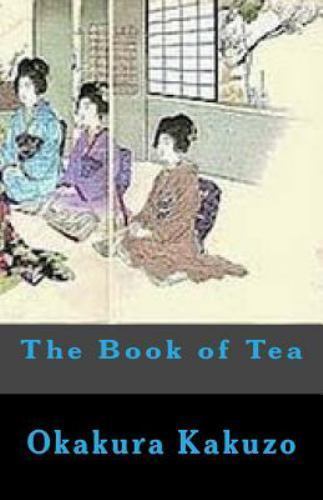
Book of Tea, Paperback by Kakuzo, Okakura, Like New Used, Free shipping in th.... Th of Tea was written by Okakura Kakuzo in the early 20th century. Th is accessibile to Western audiences because Kakuzo was taught at a young age to speak English; and spoke it all his life, becoming proficient at communicating his thoughts to the Western Mind. Book of Tea, Paperback by Kakuzo, Okakura, ISBN 1507552947, ISBN-13 9781507552940, Like New Used, Free shipping in the US Th of Tea was written by Okakura Kakuzo in the early 20th century. It was first published in 1906, and has since been republished many th, Kakuzo introduces the term Teaism and how Tea has affected nearly every aspect of Japanese culture, thought, and life. Th is accessibile to Western audiences because Kakuzo was taught at a young age to speak English; and spoke it all his life, becoming proficient at communicating his thoughts to the Western Mind. In his book, he discusses such topics as Zen and Taoism, but also the secular aspects of Tea and Japanese life. Th emphasises how Teaism taught the Japanese many things; most importantly, simplicity. Kakuzo argues that this tea-induced simplicity affected art and architecture, and he was a long-time student of the visual arts. He ends th with a chapter on Tea Masters, and spends some time talking about Sen no Rikyu and his contribution to the Japanese Tea to Tomonobu Imamichi, Heidegger's concept of Dasein in Sein und Zeit was inspired — although Heidegger remains silent on this — by Okakura Kakuzo's concept of das-in-dem-Welt-sein (to be in the being of the world) expressed in Th of Tea to describe Zhuangzi's philosophy, which Imamichi's teacher had offerred to Heidegger in 1919, after having followed lessons with him the year before.