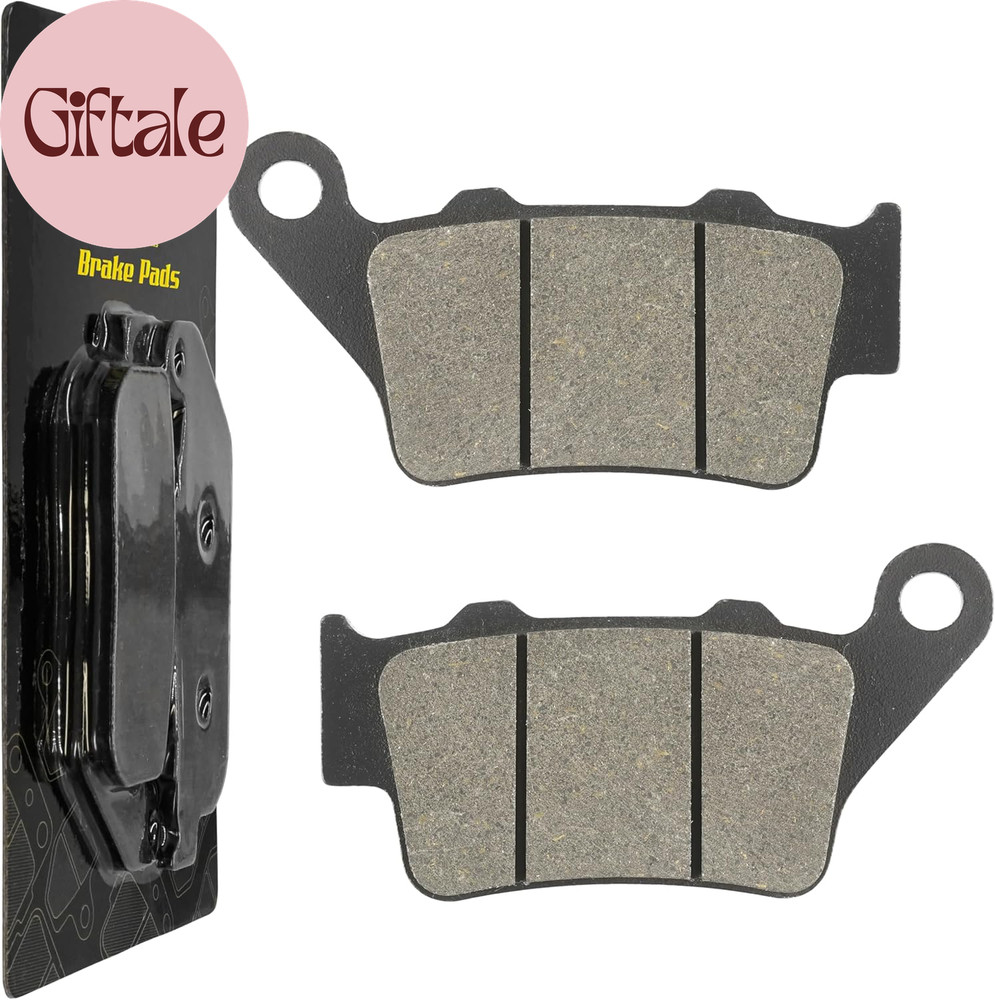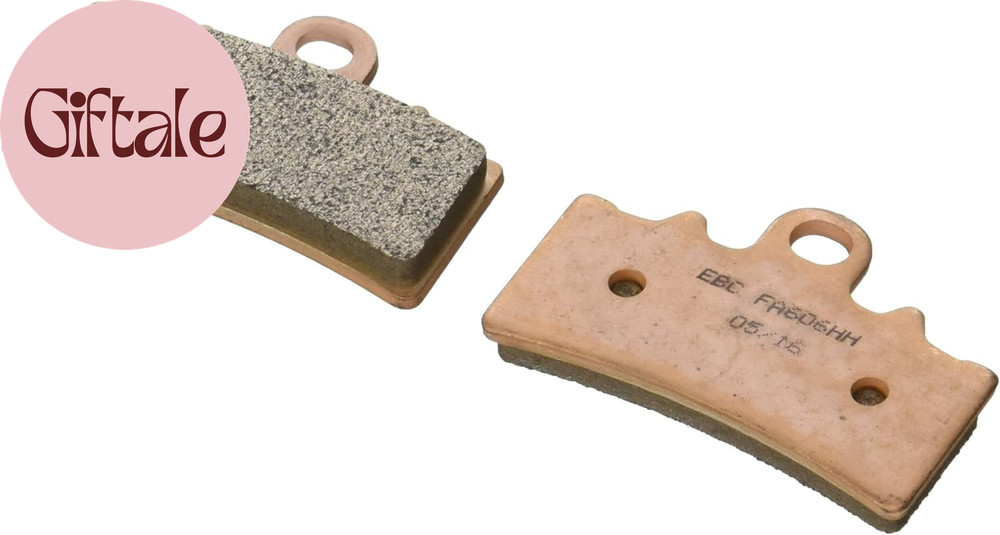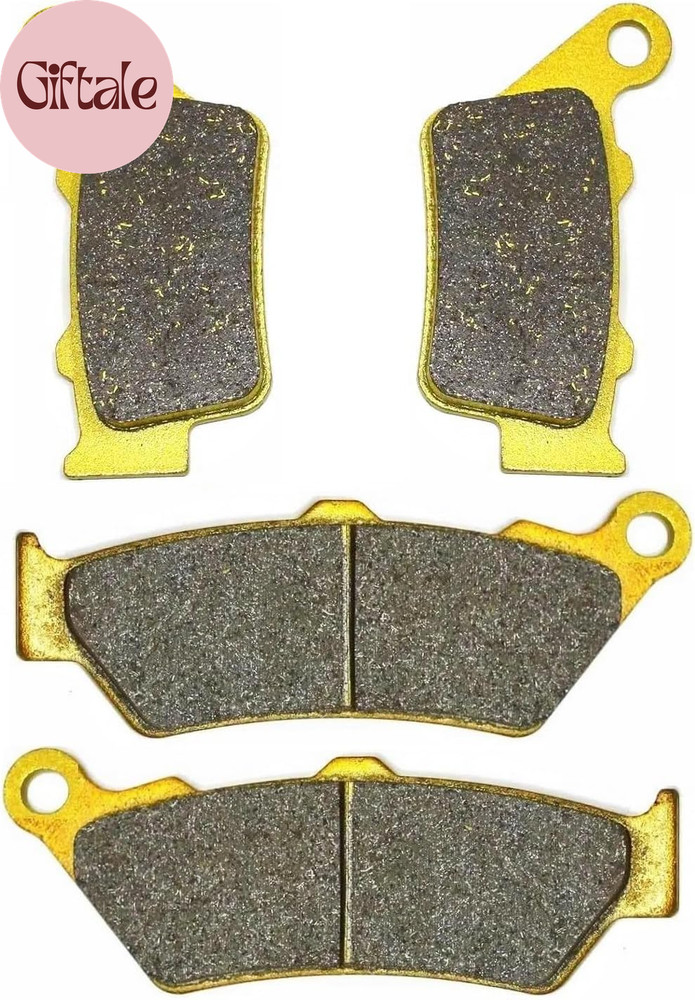
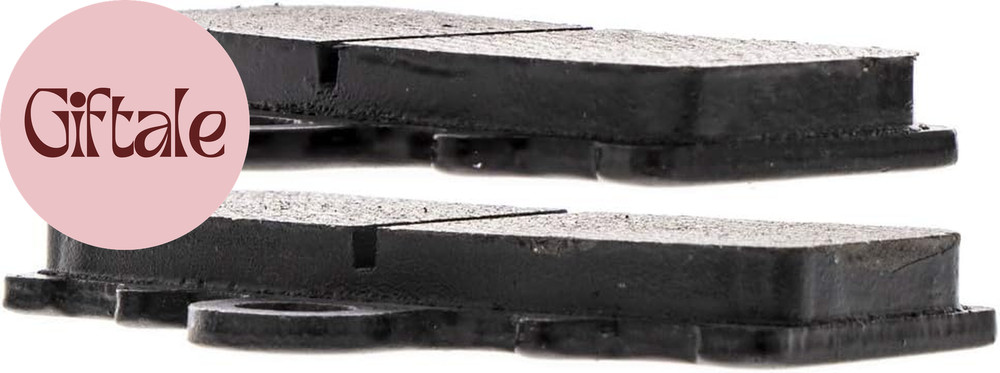
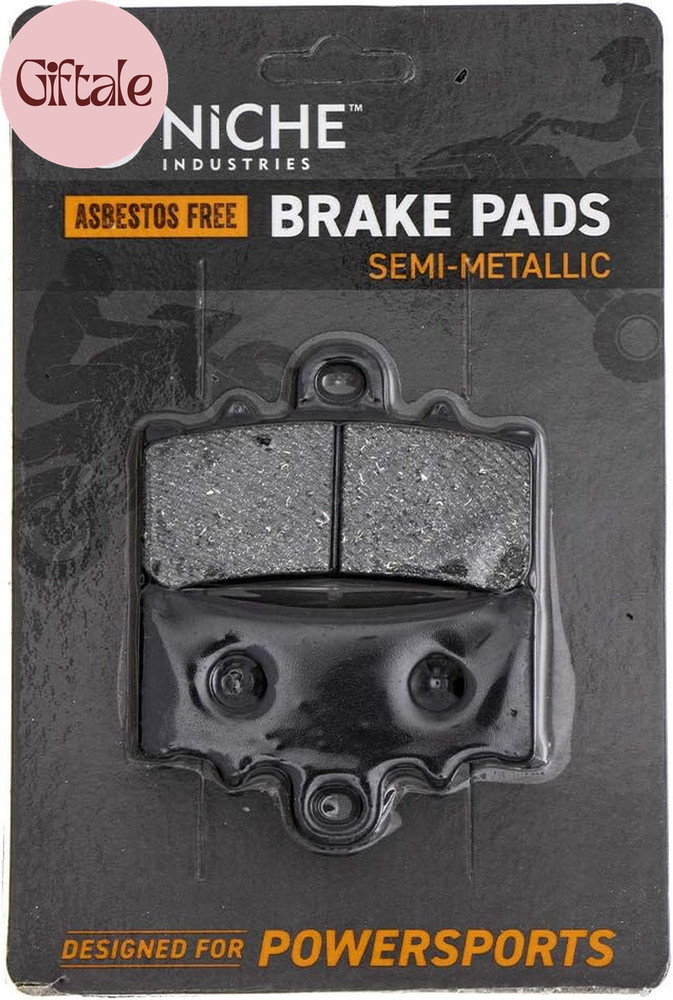
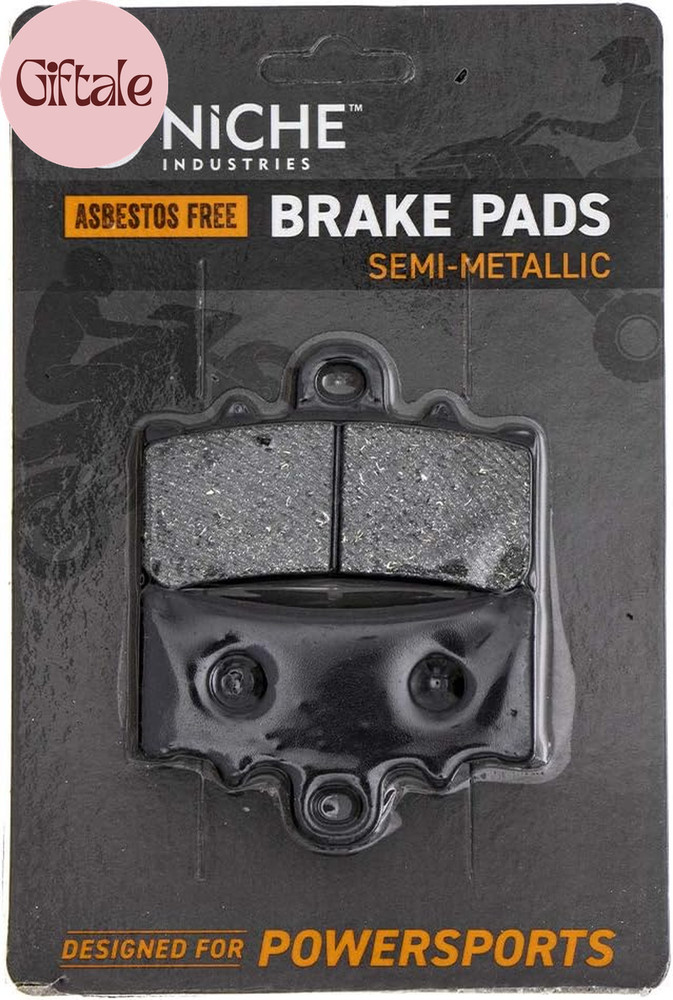
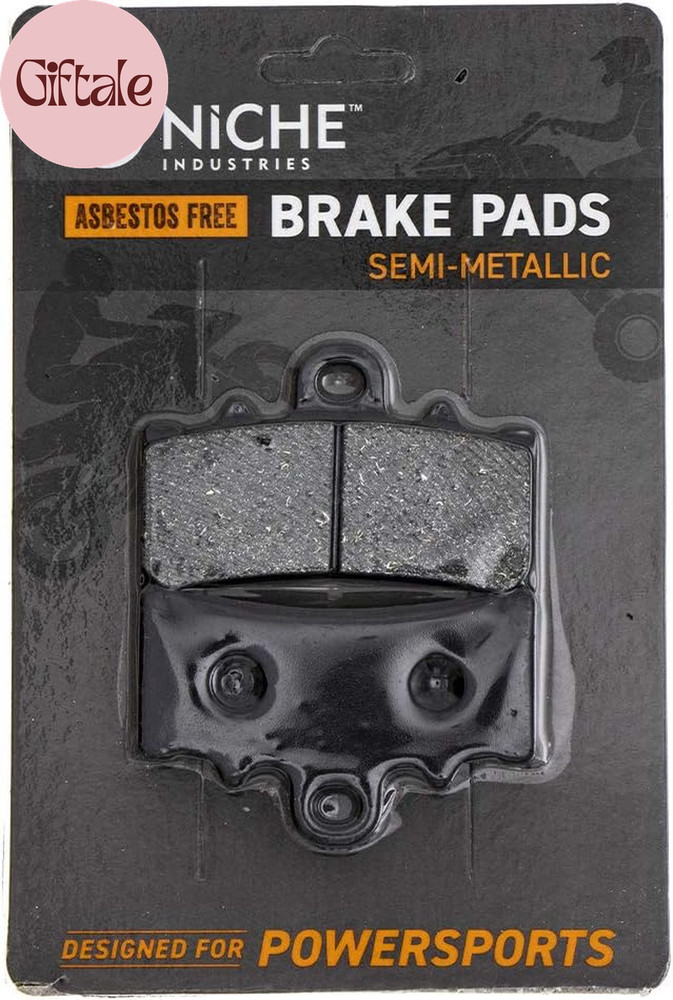
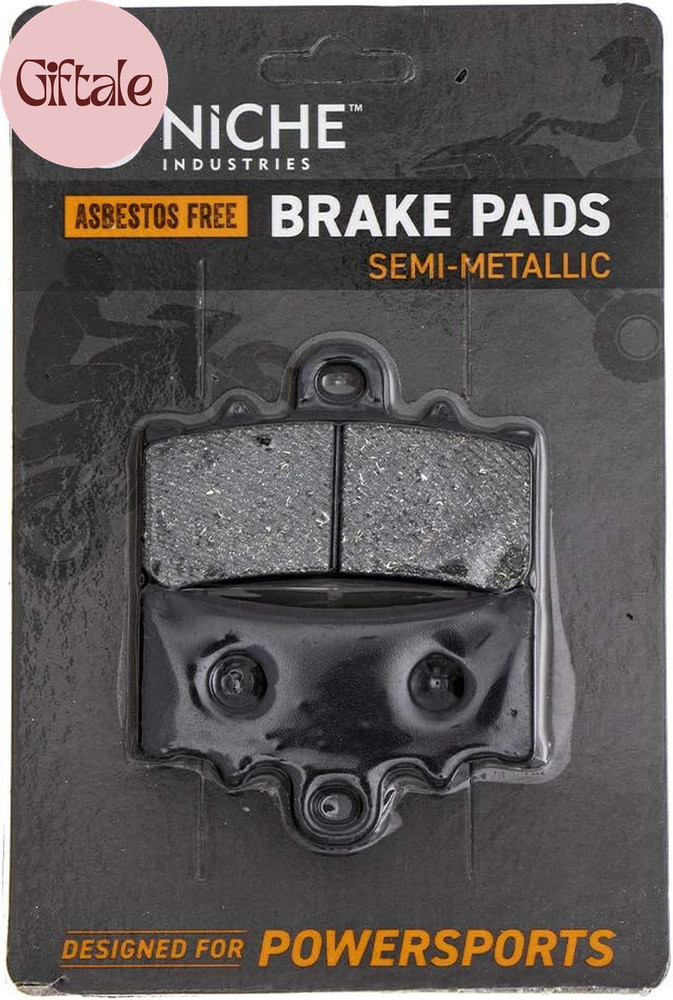
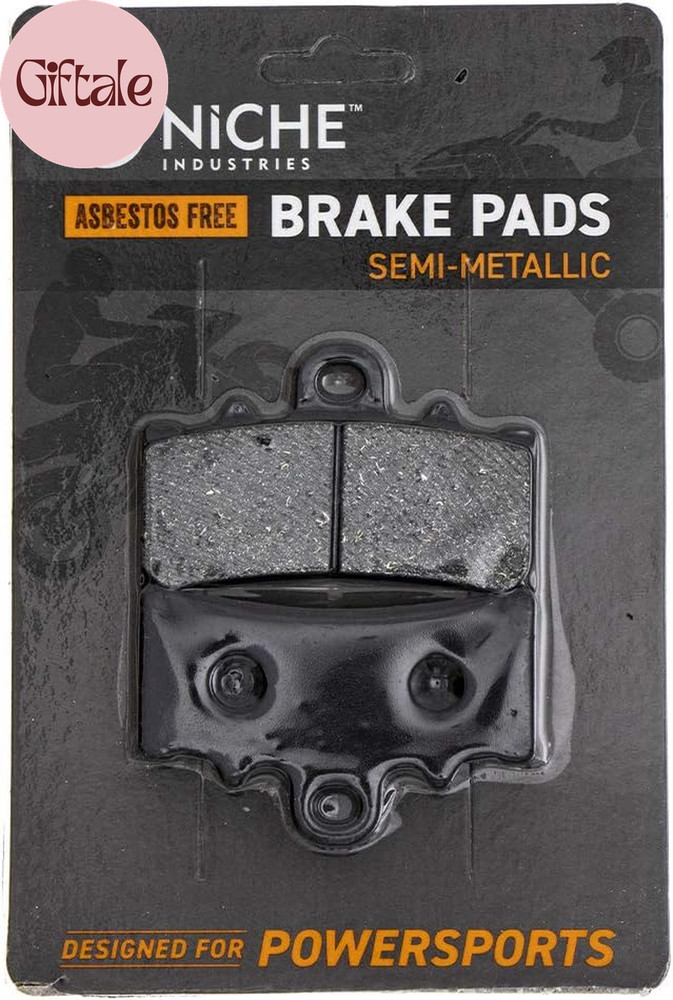
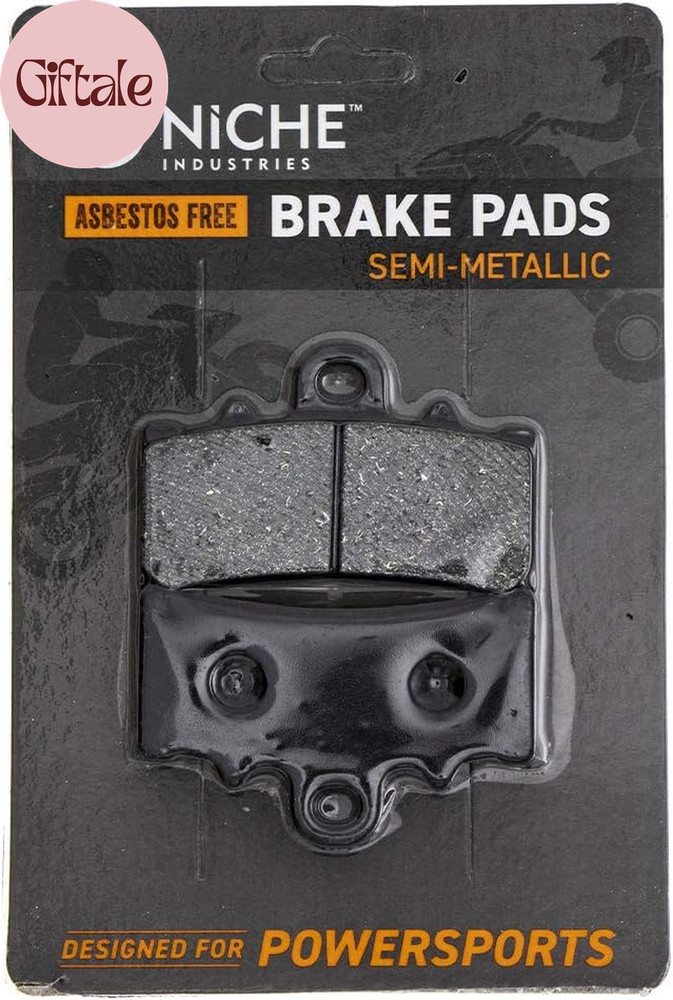
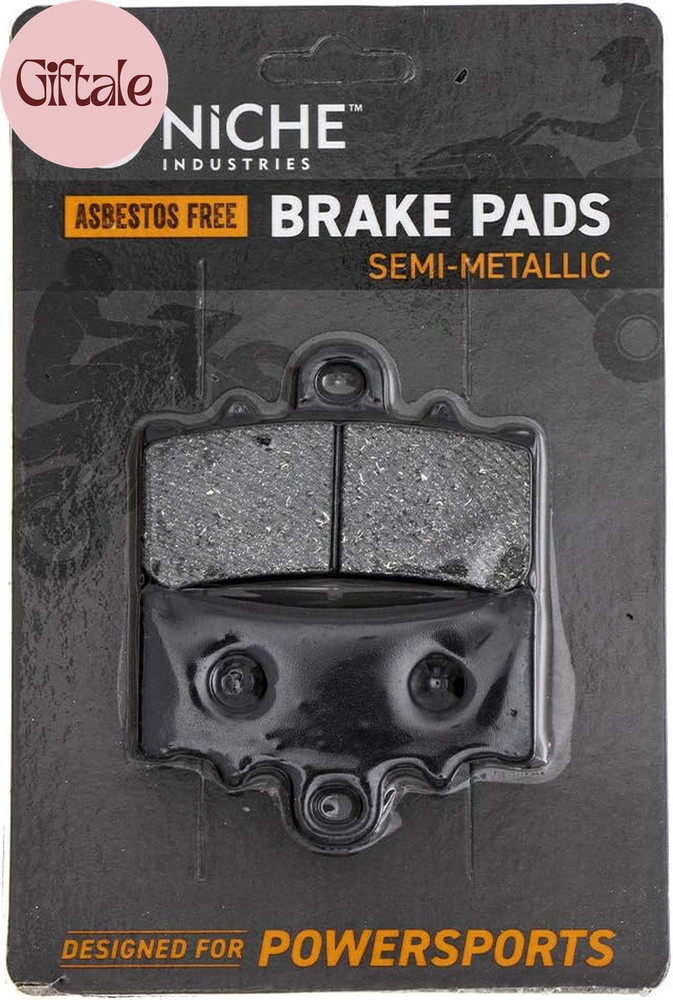
Brake Pad Set for KTM 390 Duke RC Cup 90113030000 Front Semi-Metallic
$ 10.9
Description
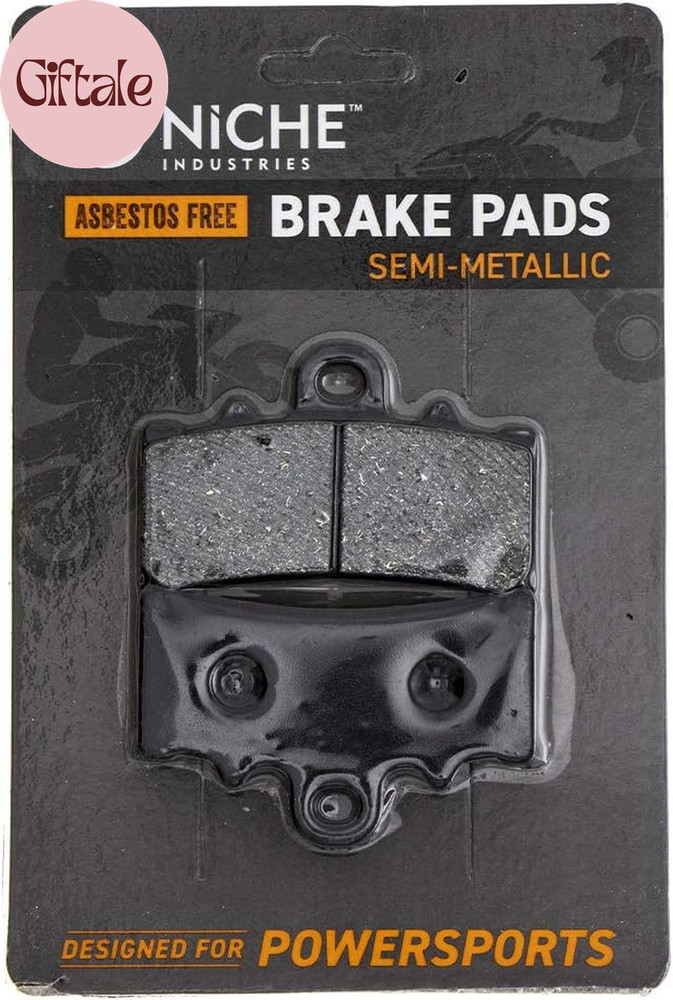
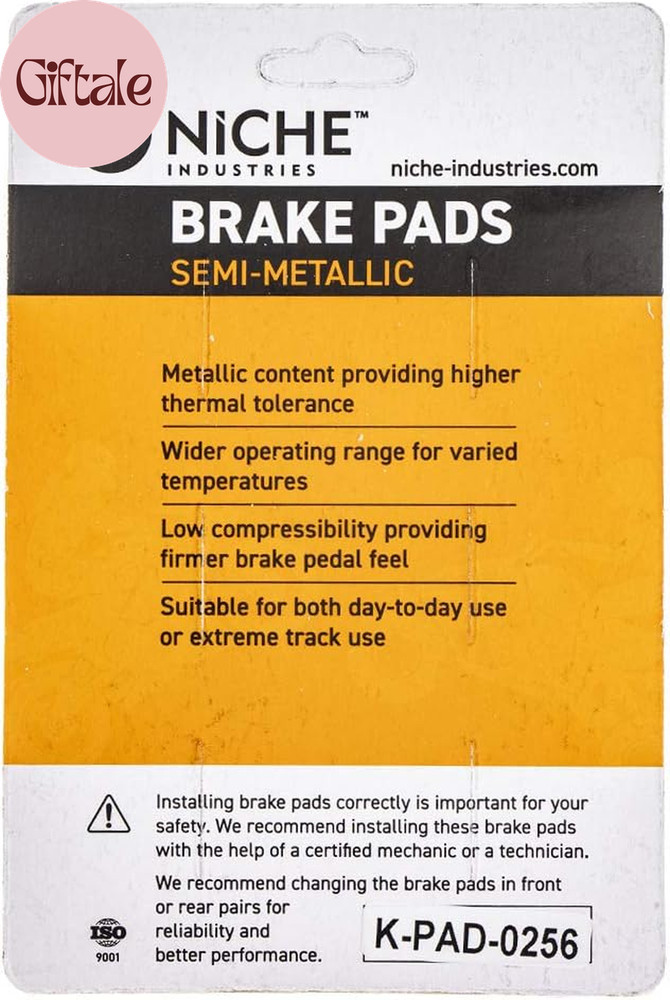
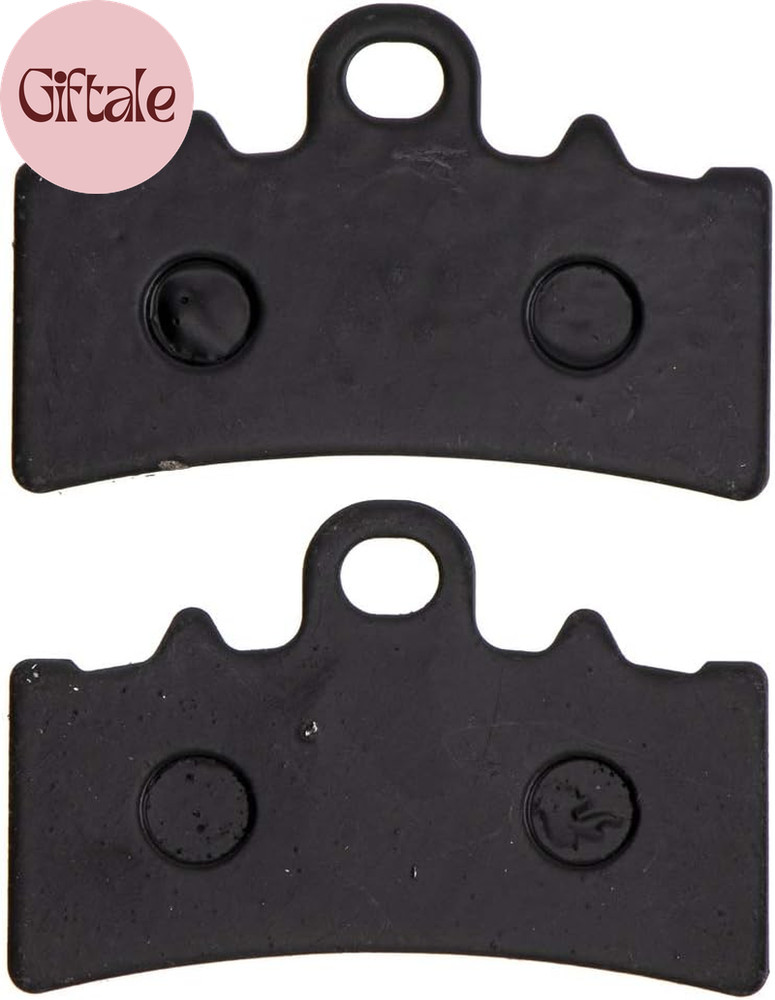
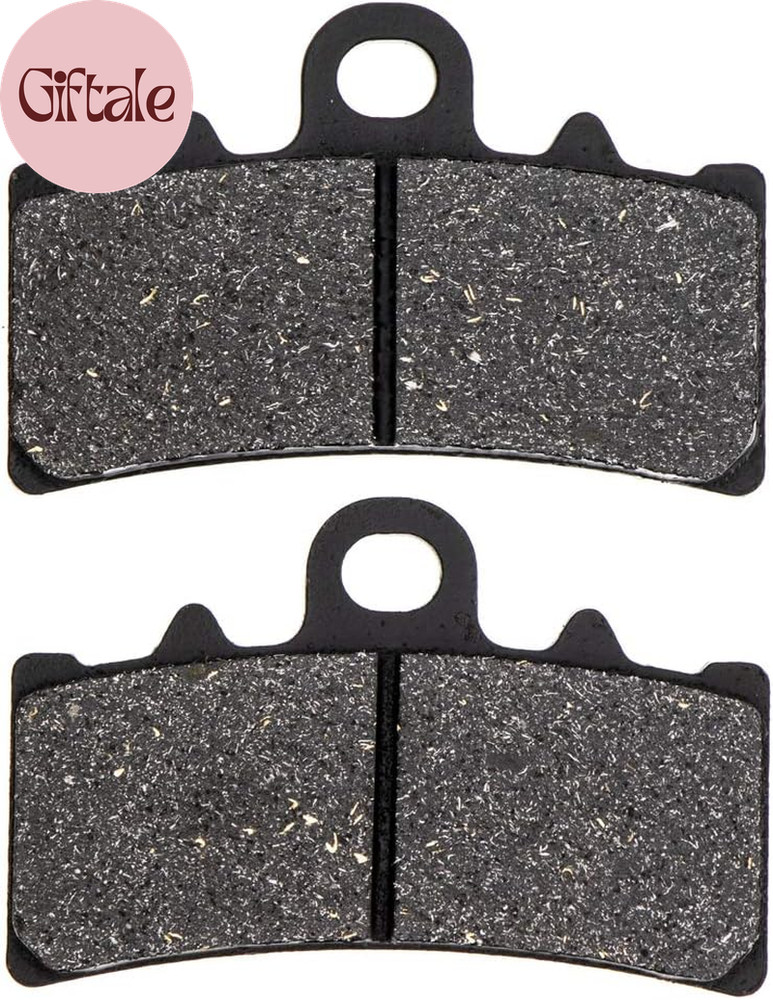
Brake Pad Set for KTM 390 Duke RC Cup 90113030000 Front Semi-Metallic. Compatible with OEM Part Numbers KTM 90113030000. Compatible with KTM 2015-2016 390 Duke and Duke ABS, 2015-2016 390 RC. NICHE Brake Pad Set 519-KPA2477D. About NICHE. Compatible with the following models:390 Duke RC ABS. Compatible with OEM Part Numbers KTM 90113030000 Compatible with KTM 2015-2016 390 Duke and Duke ABS, 2015-2016 390 RC Engineered and Tested to Meet or Exceed Original Part Standards and Performance Created as a Direct Replacement for the Factory Brake Pads Quality and Performance Guaranteed! Product description 519-KPA2477D About NICHE NICHE specializes in the highest quality Powersports replacement parts. Our parts meet or exceed the quality of the original parts that come with your machine. Some of the NICHE product categories include cylinders, brake pads, axles, off-road mirrors, and drive chains. Let NICHE components fix your machine today! NICHE Brake Pad Set 519-KPA2477D NICHE Semi Metallic Brake Pad Set Includes: Semi Metallic Brake Pad Set Compatible with the following brands: KTM Compatible with the following models: 390 Duke RC ABS Replaces for the following OEM MPN's: 90113030000 Placement on Vehicle: Front, Left, Right Brake Pad Type Comparison Organic Organic Pads are composed of various fibers mixed with binding resins to hold them together. Some common materials used in organic brake pads include glass, fiber, rubber, carbon and Kevlar. Semi Metallic Semi Metallic Pads are the most versatile style available, with the slight compromise being more noise and dust. They are also longer lasting and more durable, and their metallic composition can help draw heat away from the rotor and aid in more efficient brake cooling. Ceramic Ceramic Pads are composed of a dense ceramic material with embedded copper fibers. In use since the 1980s, ceramic pads were developed as an alternative replacement for organic and semi-metallic brake pads. Ceramic pads are generally easier on rotors than semi-metallic pads. PROS Soft, quiet, easy on rotors Don’t require much heat to generate good friction Produce less dust than metallic pads CONS Only operate well within a relatively limited temperature range Wear out quickly compared to other types of brake pads PROS Dramatically increased braking performance over organic pads Have a higher thermal threshold due to metallic content Have a wider operating range (temperature) More resistant to brake fade than organic pads CONS Tend to be noisier than organic or ceramic pads Produce more brake dust More abrasive than other types of pads – will wear brake rotors more quickly PROS Quieter than semi-metallic pads – emit noises that are above the range of human hearing Longer lifespan than organic or semi-metallic Stable under a wide range of temperatures for consistent performance CONS Typically the most-expensive type of brake pad Do not produce as much cold bite as semi-metallic pads – may not be ideal in extremely cold climates Do not absorb heat as well as semi-metallic pads which can increase brake system temperatures