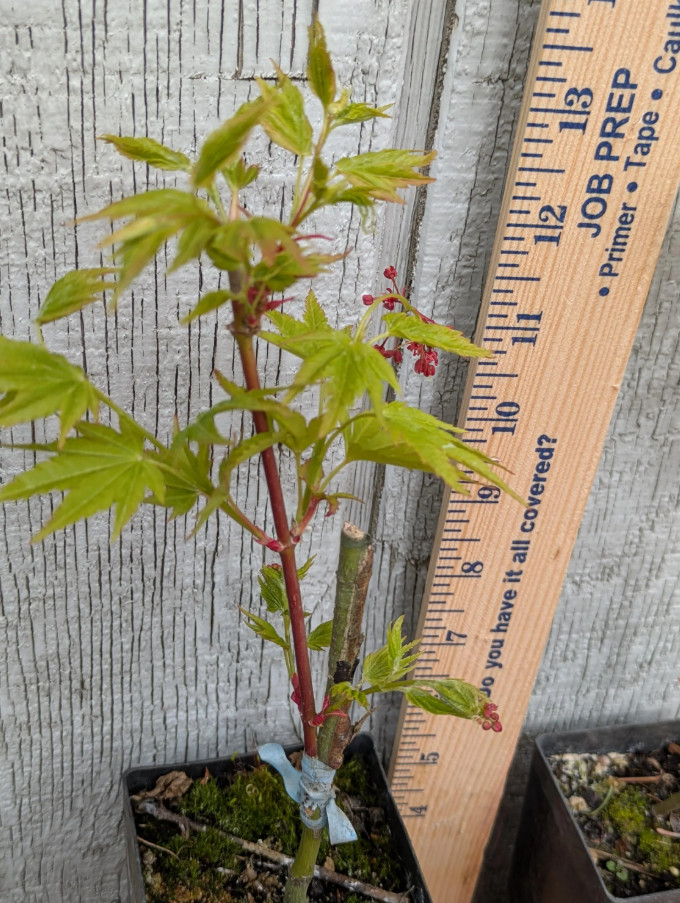
Coral Bark Japanese maple Acer Palmatum 'Sangu-kaku' ***LIVE***
$ 19.48
Description
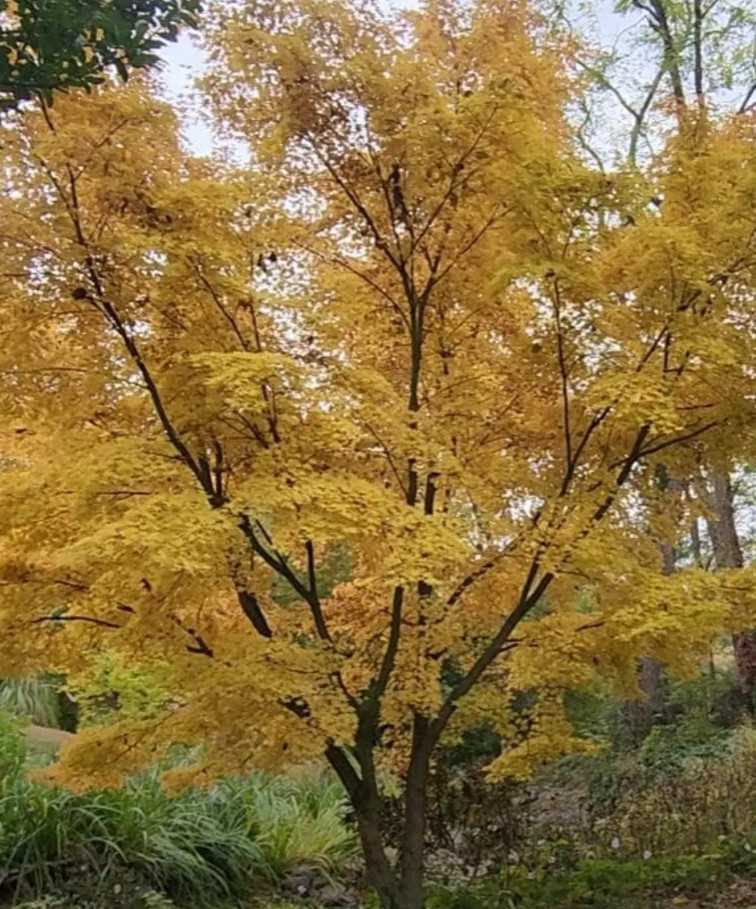
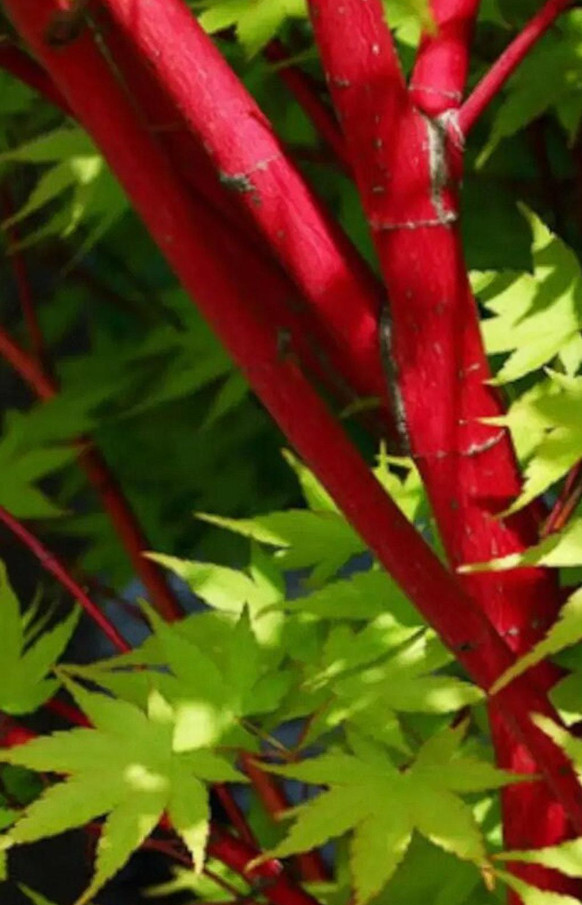
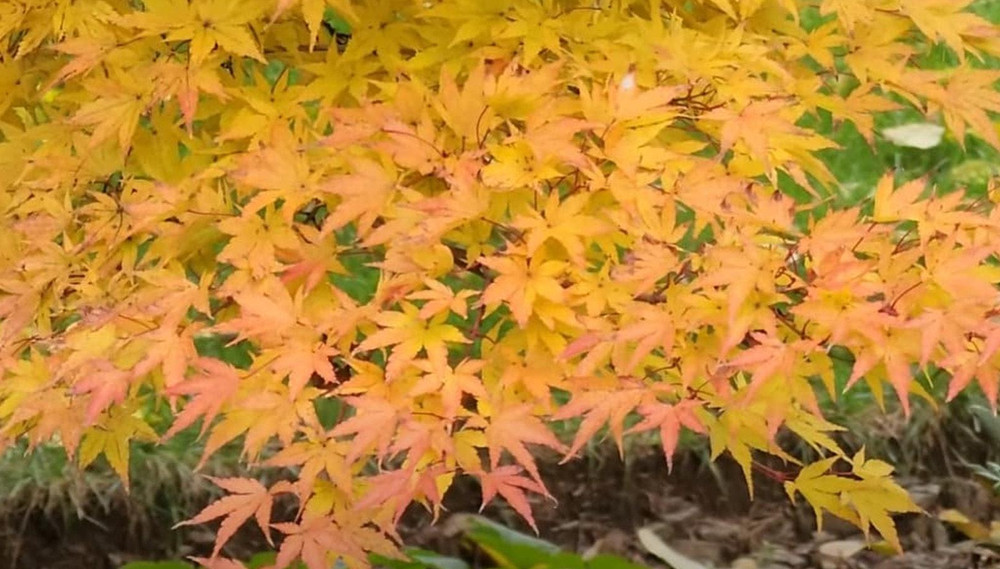
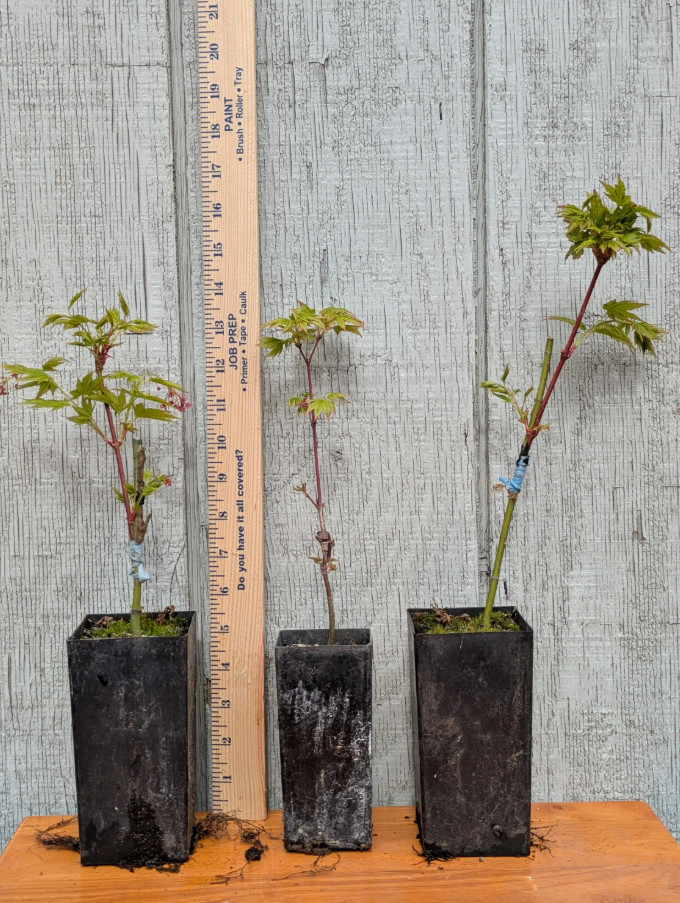
Coral Bark Japanese maple Acer Palmatum 'Sangu-kaku' ***LIVE***. The Coral Bark Japanese Maple (Acer palmatum 'Sango Kaku') is a beautiful and popular cultivar known for its vibrant coral-colored bark, especially prominent during the winter months. Japanese maples generally prefer partial shade to full sun. approximately 12" Graft !!!!!!!!!! A FANTASTIC BONSAI SPECIMEN!!!!!!!!!!!!! SUPPORT LOCAL The Coral Bark Japanese Maple (Acer palmatum 'Sango Kaku') is a beautiful and popular cultivar known for its vibrant coral-colored bark, especially prominent during the winter months. USDA Hardiness Zones 5-8. It can tolerate a range of climates but prefers temperate conditions. If you live outside this range, you might be able to grow it in a container and bring it indoors during harsh winters. Japanese maples generally prefer partial shade to full sun. In hotter climates, some afternoon shade can be beneficial to protect the leaves from scorching. However, Coral Bark Japanese Maple is known for its adaptability to various light conditions. Well-drained, acidic soil is ideal for Japanese maples, including the Coral Bark variety. Ensure the soil is rich in organic matter. Amending the soil with compost before planting can improve its texture and fertility. Keep the soil consistently moist but not waterlogged. Regular watering, especially during dry periods, is crucial for the tree's health, particularly during the first few years after planting. Mulching around the base of the tree can help retain moisture and regulate soil temperature. Prune Coral Bark Japanese Maple in late winter or early spring to shape the tree and remove any dead or crossing branches. Avoid heavy pruning Fertilize the tree in early spring with a balanced, slow-release fertilizer formulated for acid-loving plants. Follow the manufacturer's instructions regarding application rates. While Coral Bark Japanese Maple is generally hardy, young trees may need protection from late frosts in early spring.