







Eichmann in Jerusalem
$ 60.72
Description
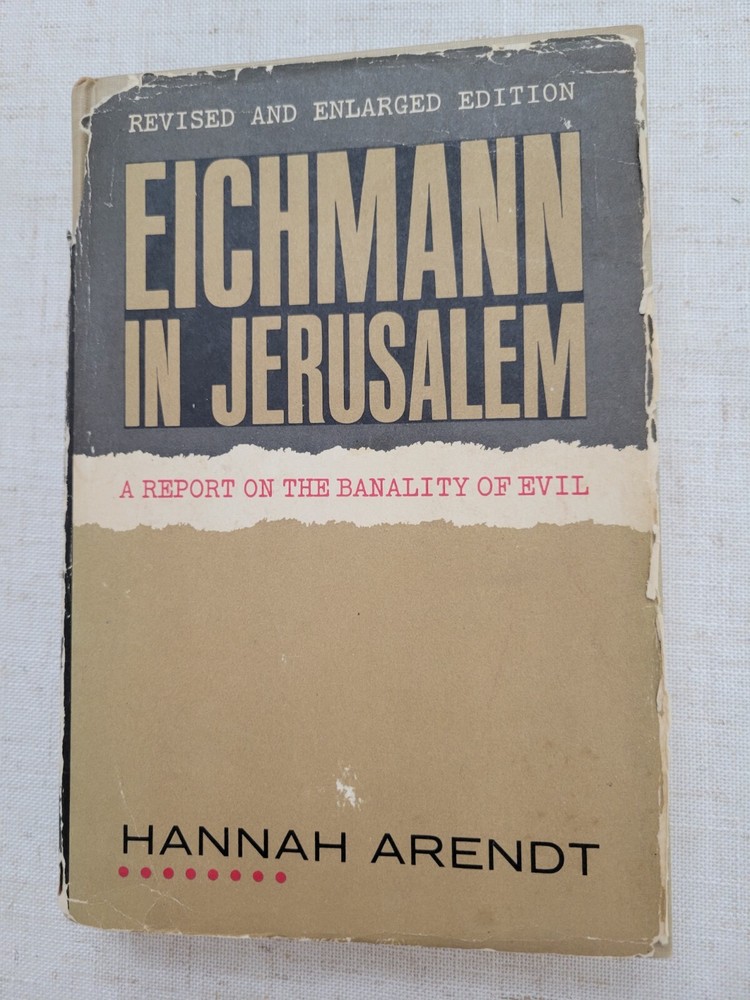
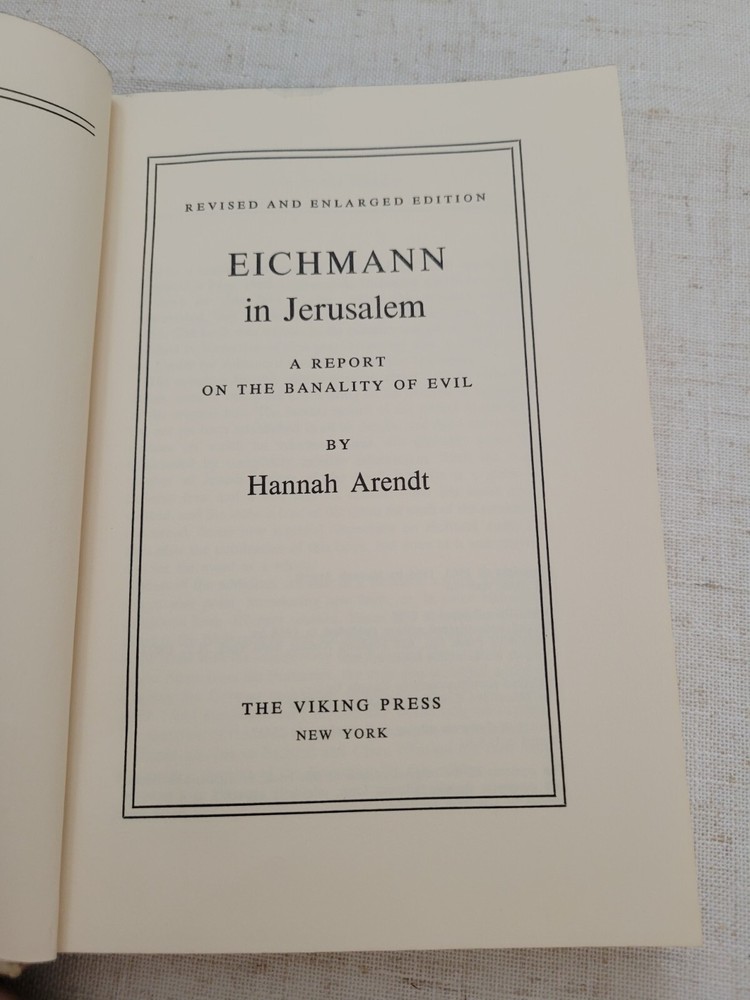
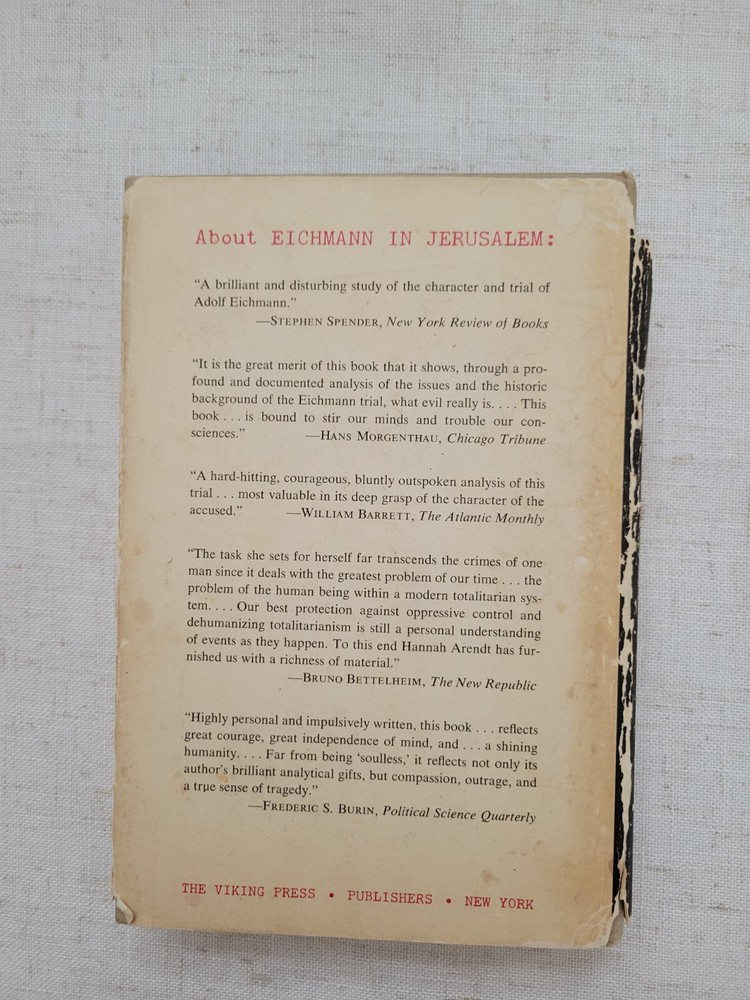
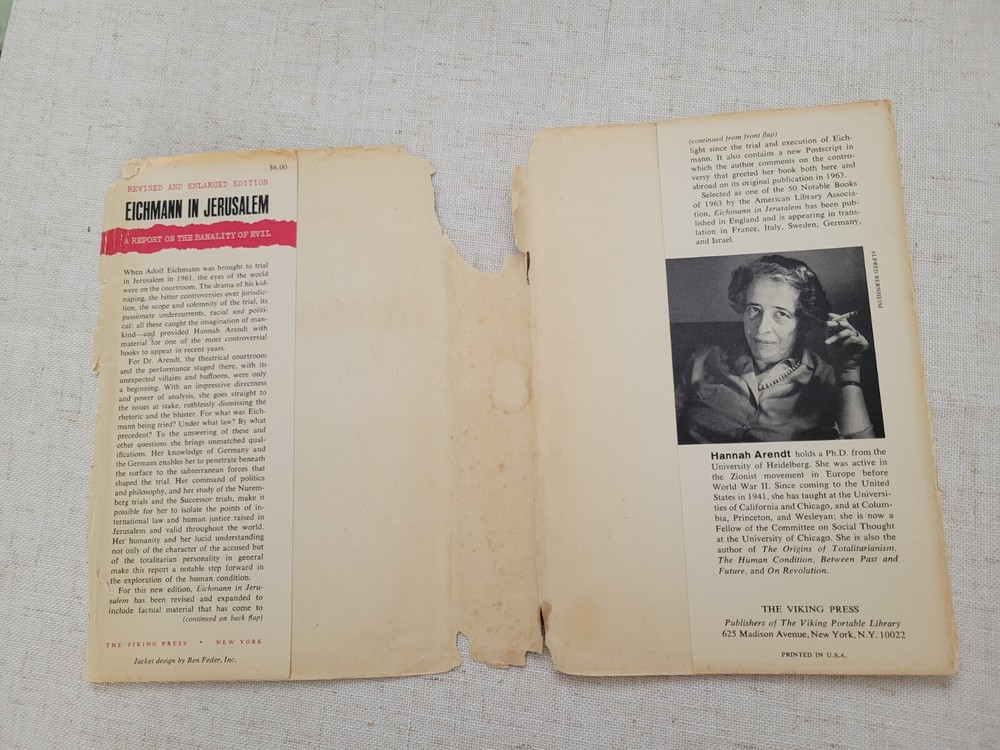
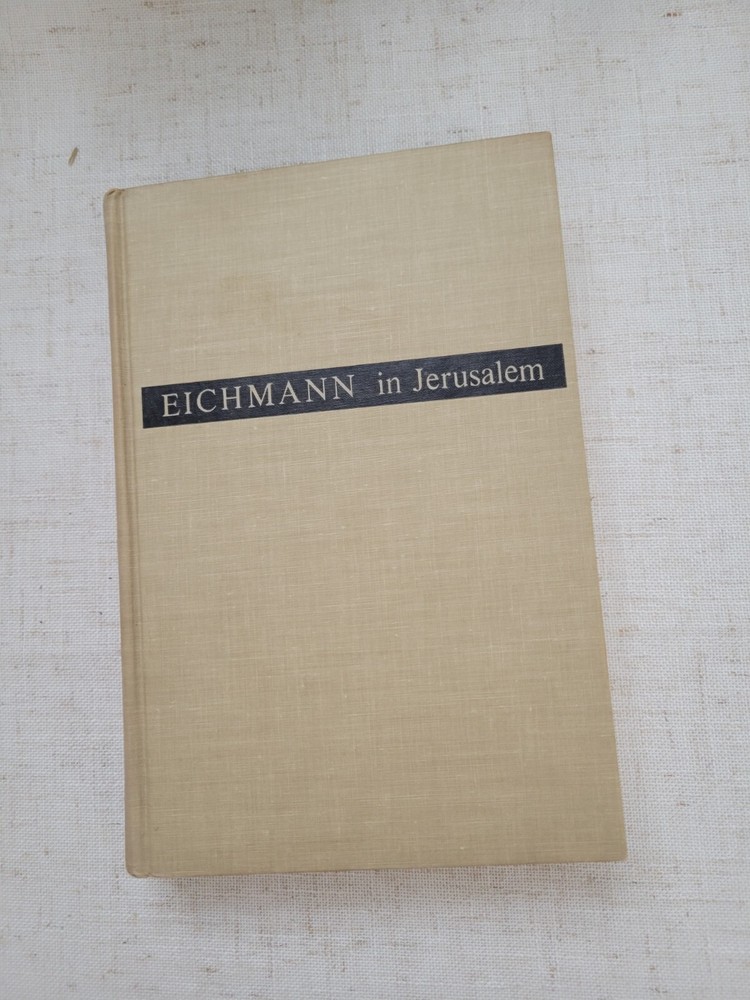
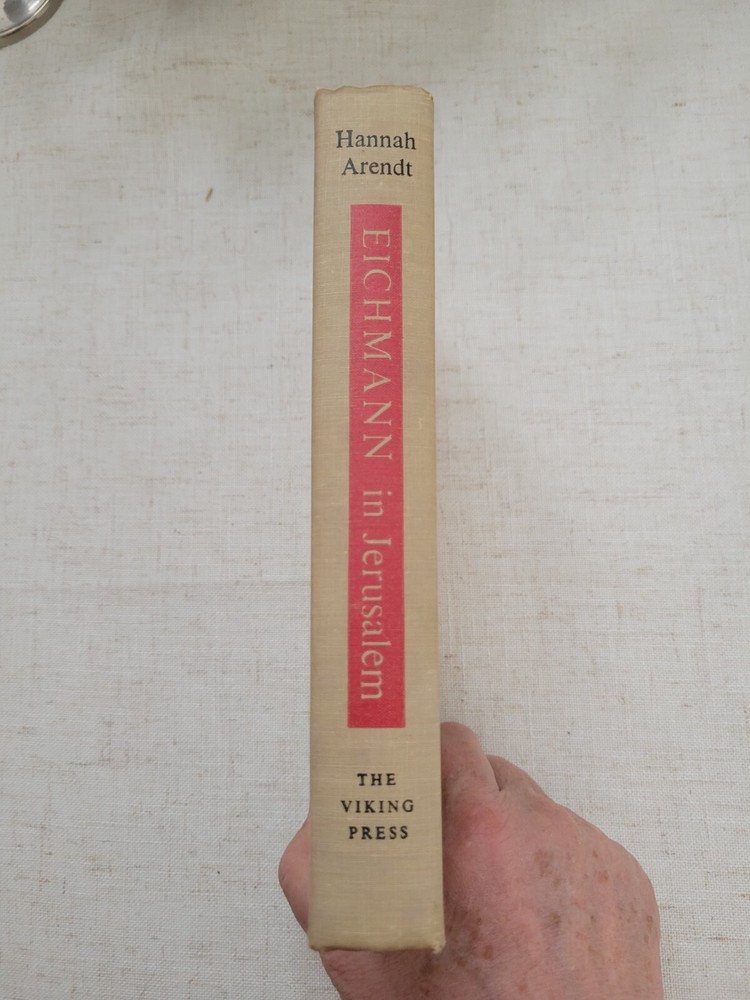
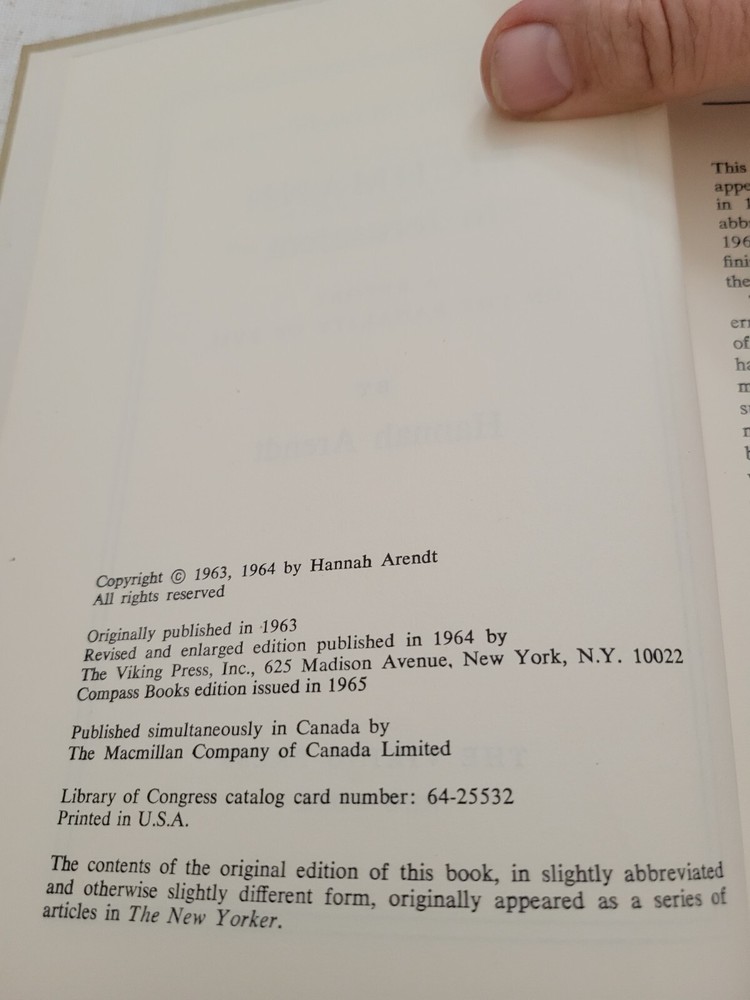
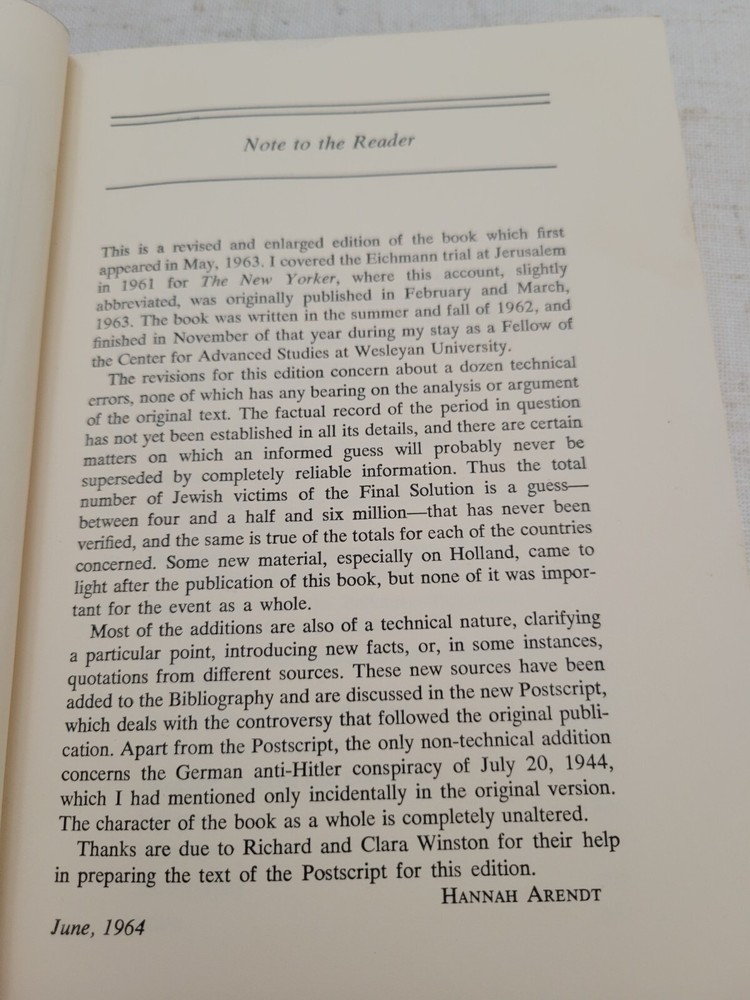
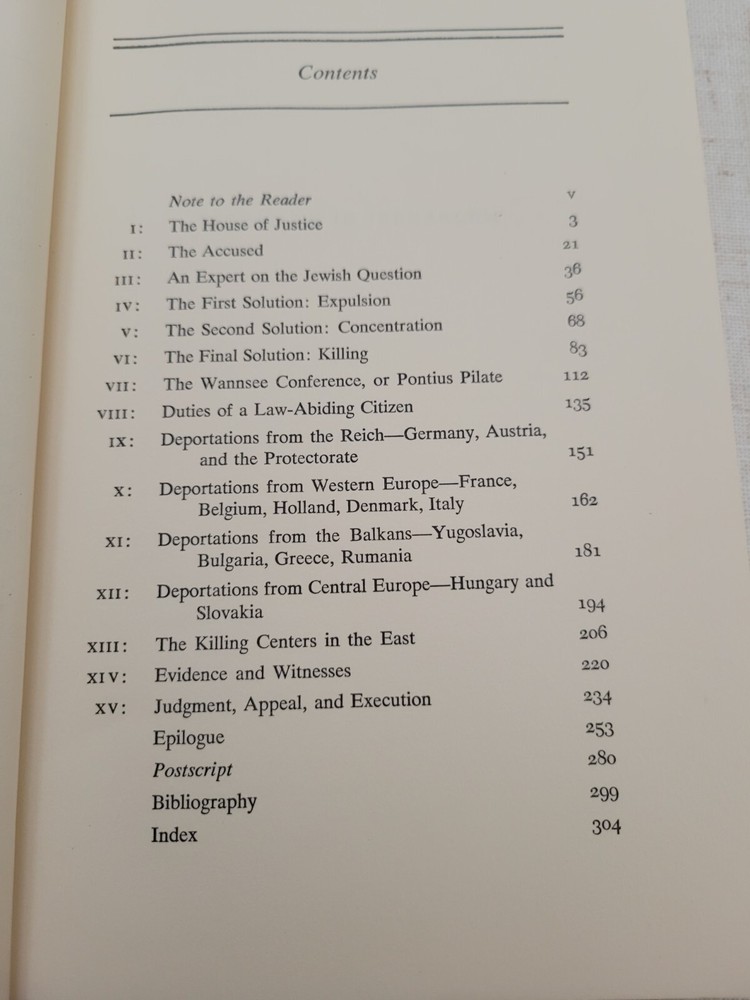
Eichmann in Jerusalem. This is among the most famous works of non-fiction in the 20th Century, deservedly so. Arendt was a philosopher of totalitarianism and a natural correspondent to the 1961 Eichmann trial. Arendt has been accused of understating the depth of Eichmann's moral corruption, his evil if you will. This is a lightly revised version of the 1963 first. As the Note to the Reader authored by Arendt explains, it allows for the introduction of minor new facts but in no way has the central argument been adjusted. The publication date is not less than 1964, but the title page mentions a Compass edition to be published in 1965; maybe this revision was too. This is among the most famous works of non-fiction in the 20th Century, deservedly so. Arendt was a philosopher of totalitarianism and a natural correspondent to the 1961 Eichmann trial. In the style of the New Yorker articles that these chapters started as, the writing is lucid and the argument flows unhurriedly. Arendt has been accused of understating the depth of Eichmann's moral corruption, his evil if you will. That is unfair to her. Evil can be made banal, i.e. normalized, and thus turned into a simple duty like any other claim by the state or society. She is not arguing that it is not evil, nor that Eichmann was not a gross anti-Semite. Many works and further interpretations of the Nazi killer and leadership mentality have arrived at roughly the same conclusions, though not all. But like all great works, it merits reading by audiences far removed from the point of origin.