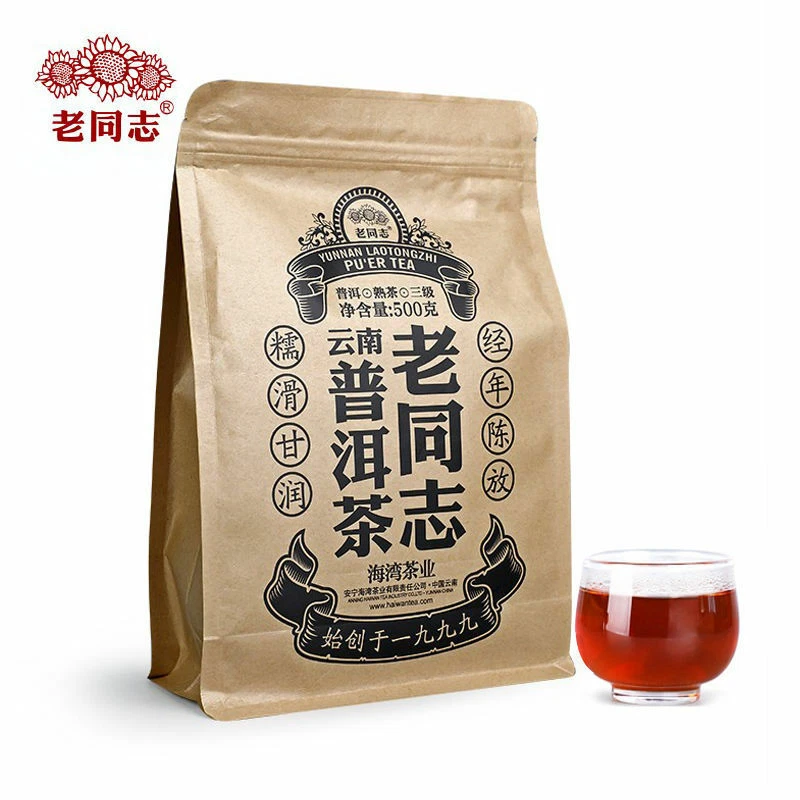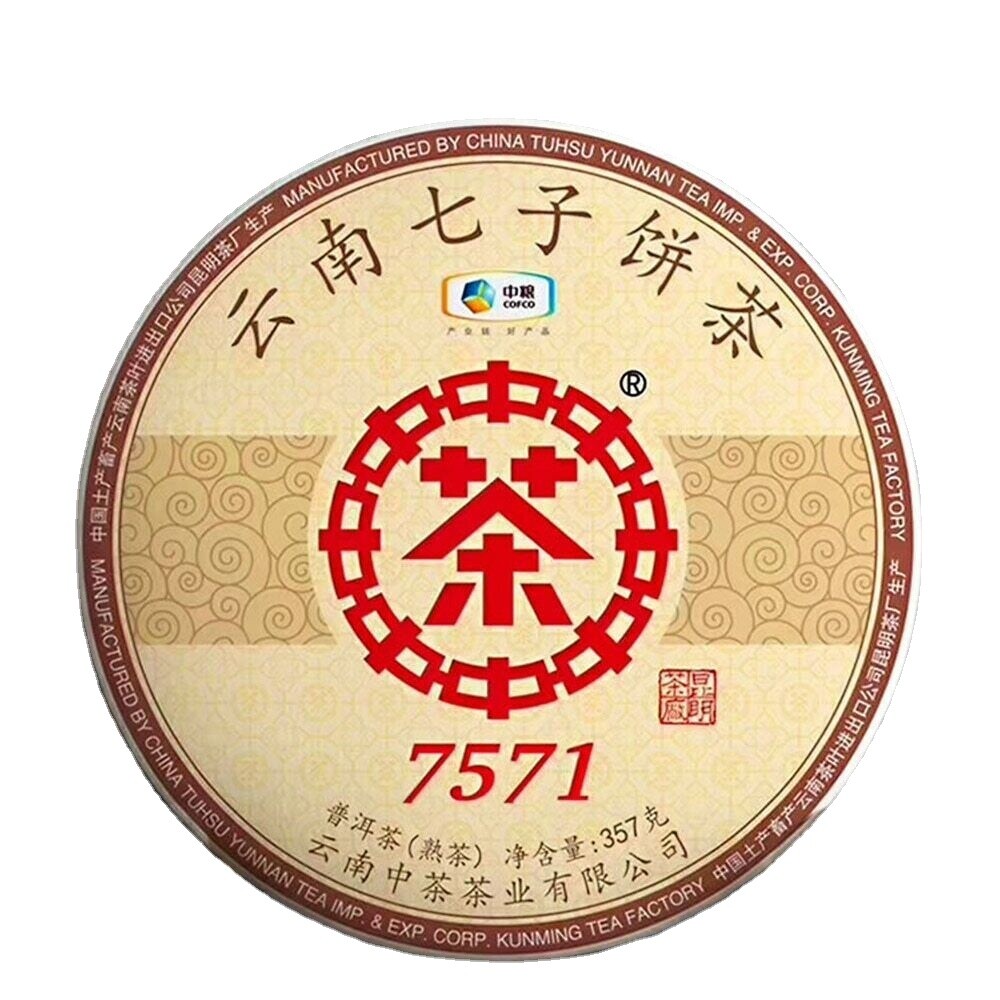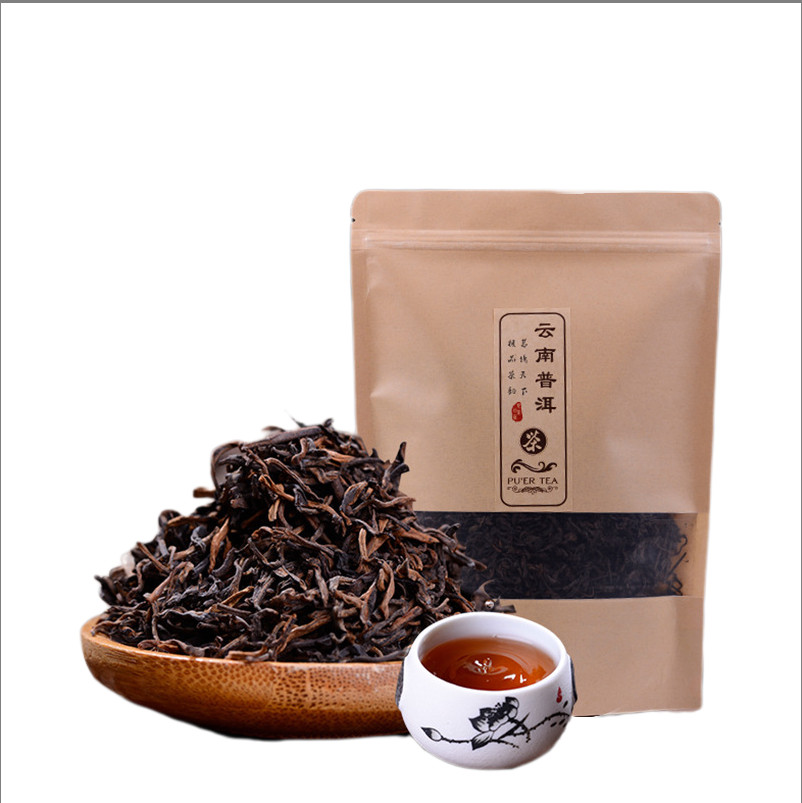
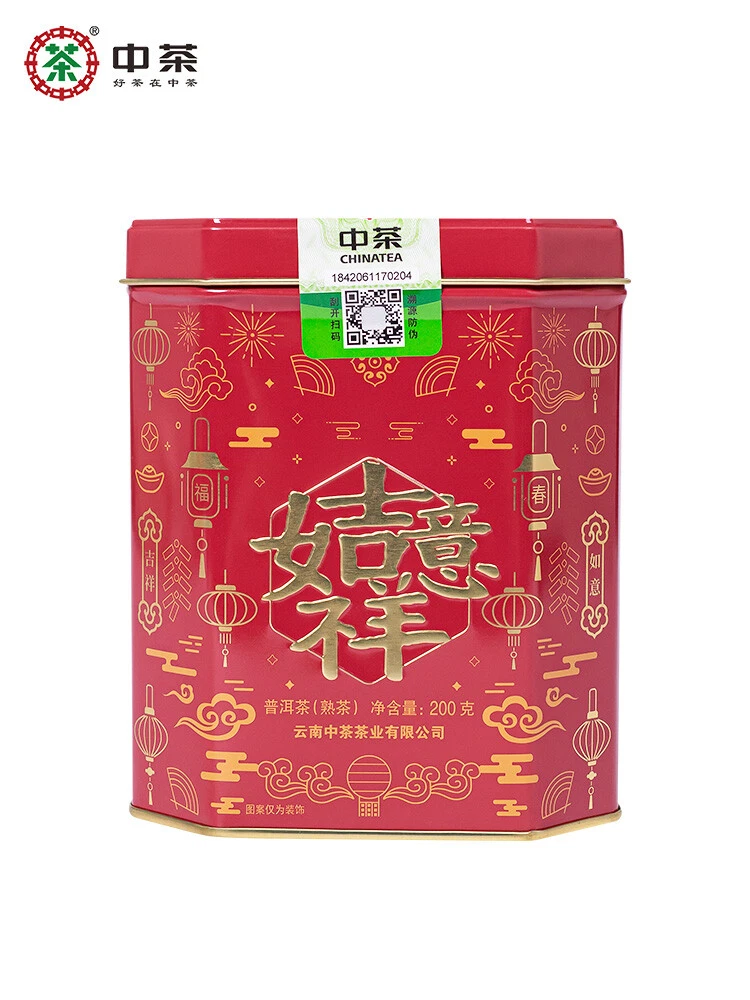
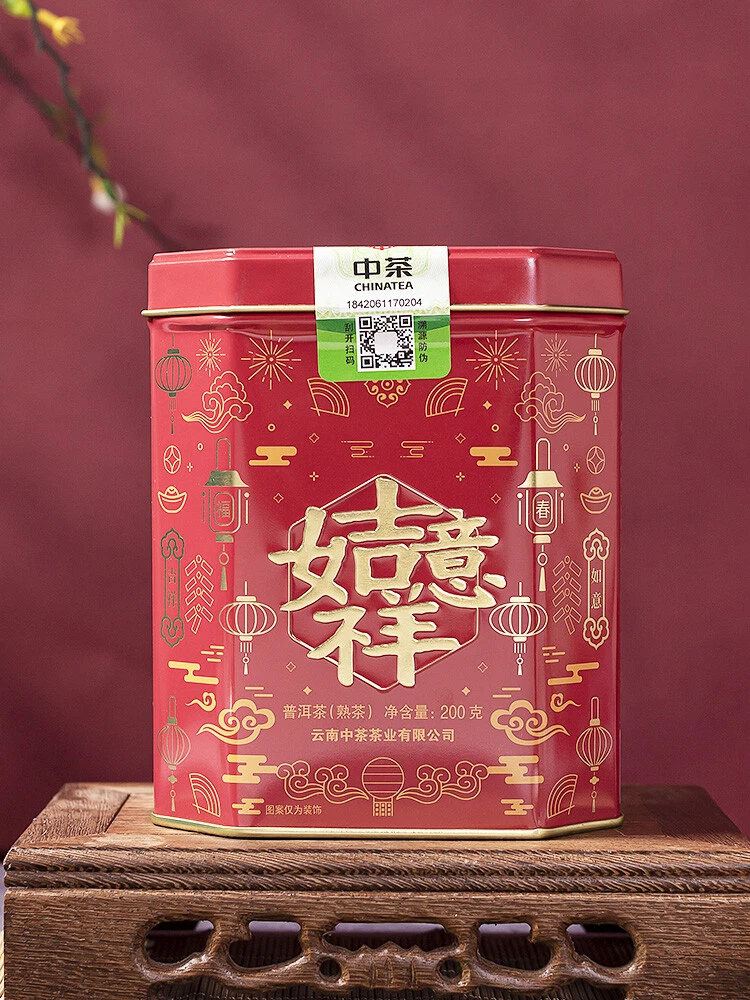
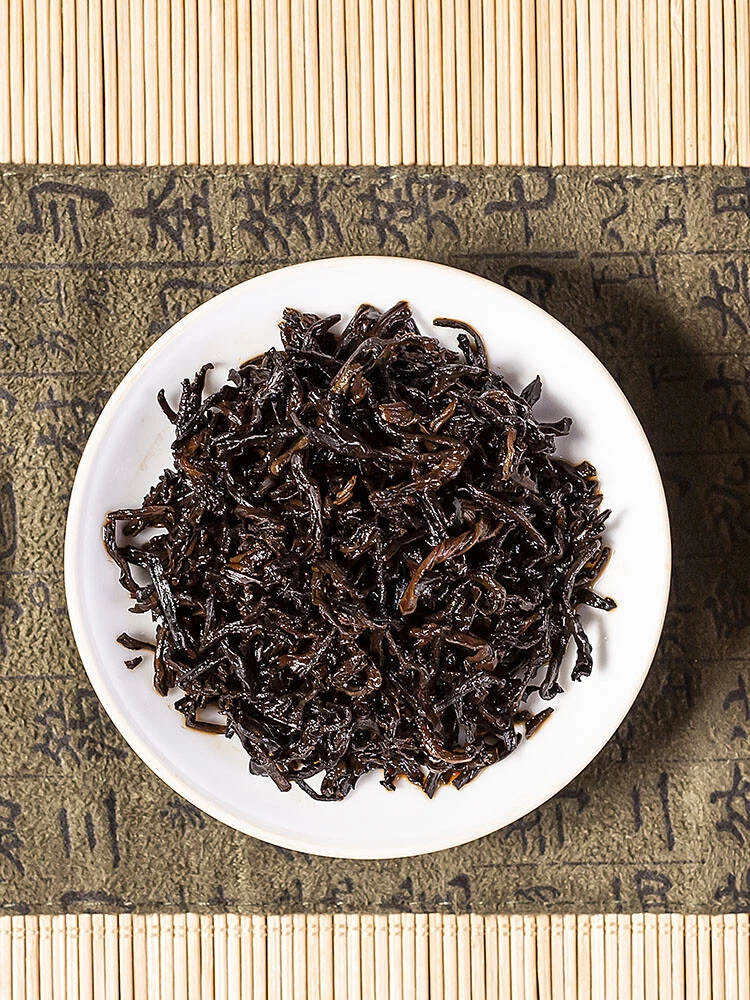
Good Luck * CHINATEA Yunnan Puer Loose Puerh Pu-erh Tea 200g Ripe Pu'er Shu Tin
$ 13.68
Description
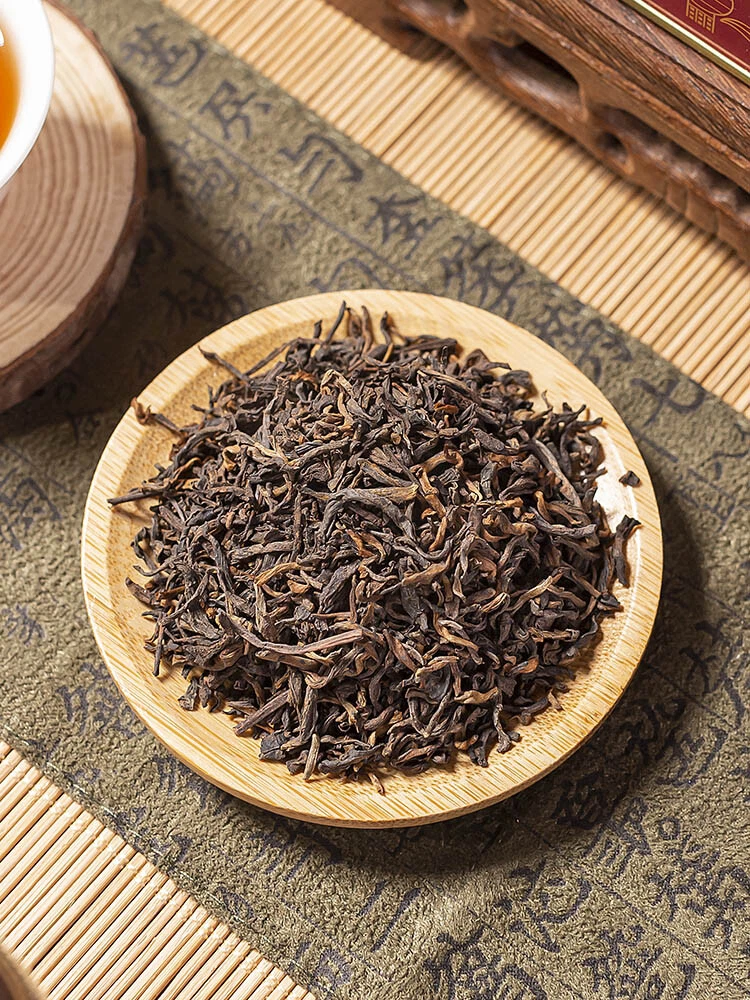
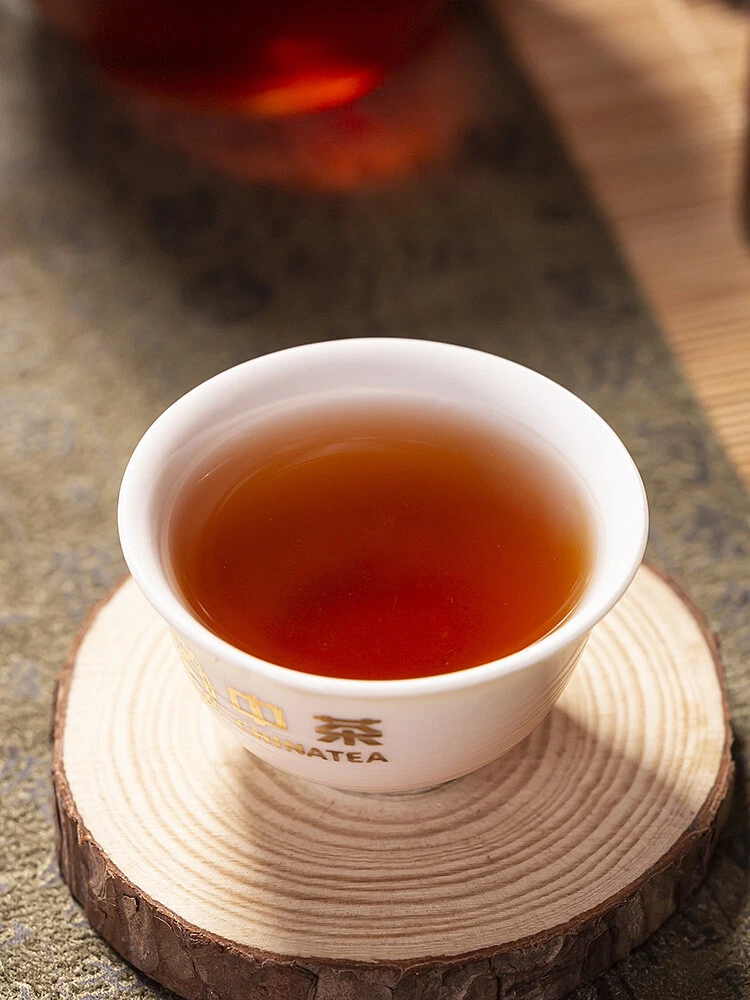
Condition:New: A brand-new, unused, unopened, undamaged item. See the seller's listing for full details Expiration Date:Long Term Aging Allergens:Yunnan Puer Tea Form:Loose Leaf Custom Bundle:No Product:Tea & Infusion UPC:Does not apply MPN:Does Not Apply Calories per Serving:0 Regional Cuisine/Region:Chinese Flavor:Unflavored Brand:CHINA TEA Food Aisle:Pantry Type:Pu-erh Food Specifications:No Artificial Coloring, No Artificial Flavoring Country/Region of Manufacture:China Serving Size:0 Number of Servings:0 Item Weight:200g eBay Product detail: CHINATEA Brand Yunnan Ji Xiang Ru Yi Loose Pu-erh Tea 200g Ripe Puer Pu'er Tin Product Date: Random Packing specification: 200g / Pcs, The price for 200g Storage: Avoid sunlight, ventilation places Shelf time: The longer the better This loose pur-erh tea is produced in Yunnan Province, China. The process in a relatively high humidity environment has mellowed the elemental character of the tea when compared to young Pu-erh (aged less 1 year). The method of production is: The tealeaves are picked, rolled, withered in the hot sun, after which they are steamed. The steaming process generates some moisture, in the course of time the tea takes on a musty and earthy character. Pu-erh that gets somewhat moldy before it naturally dries is considered the best. Pu-erh is then stored for years. As with wine, young pu-erh is considered the least valuable whereas pu-erh 5 years or older is more highly prized. Brewing Guide: Bring freshly drawn cold water to a rolling boil. Place 1 teaspoon of tea for each cup into the teapot or gaiwan. Pour water into teapot to cover the leaves, then pour the water of - in effect you are 'rinsing' the tea. Next pour the boiling water into the teapot over the 'rinsed' leaves. Cover and let steep for 1-3 minutes according to taste (the longer the steeping time - the stronger the tea).