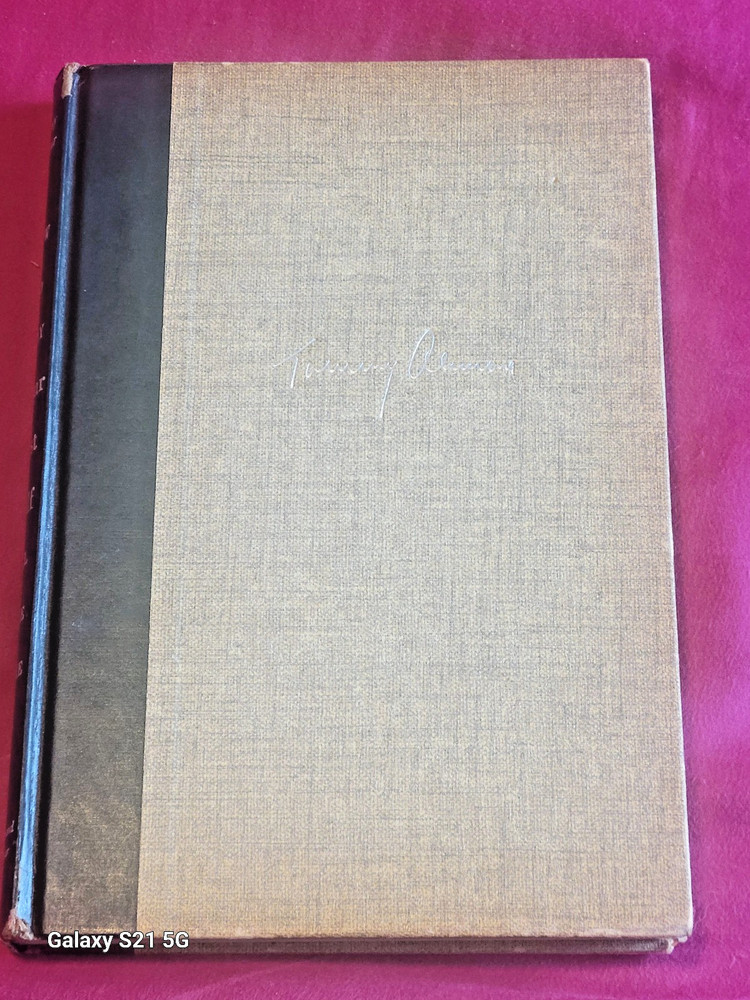
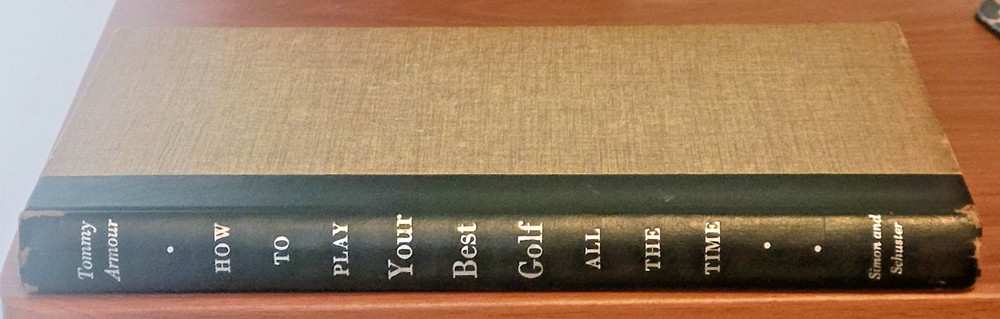
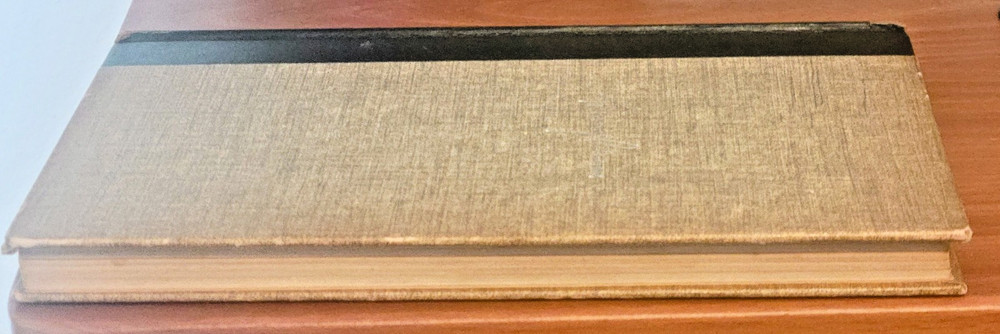
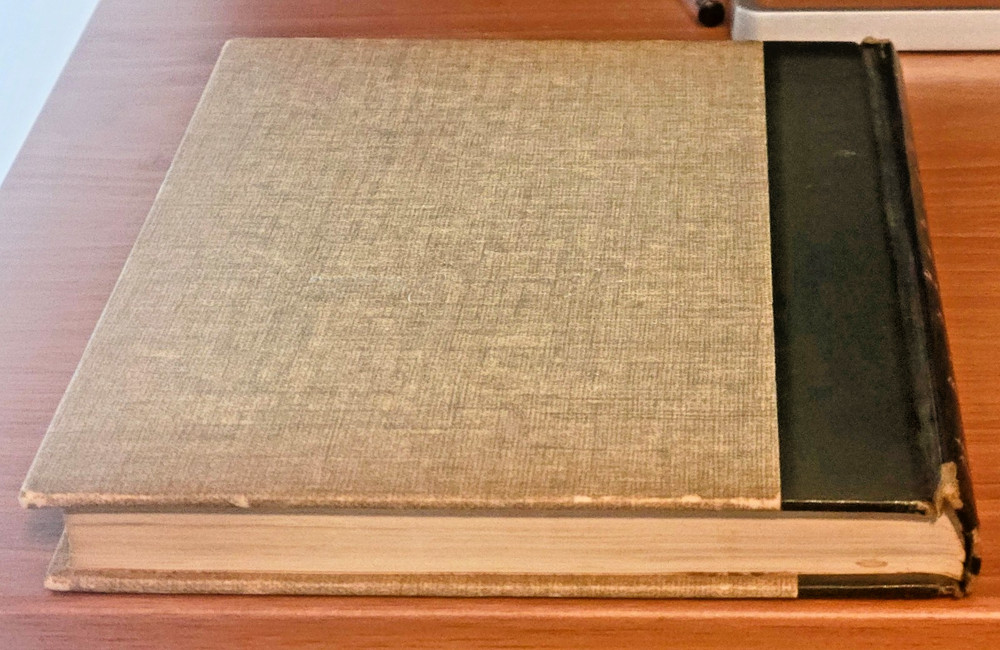
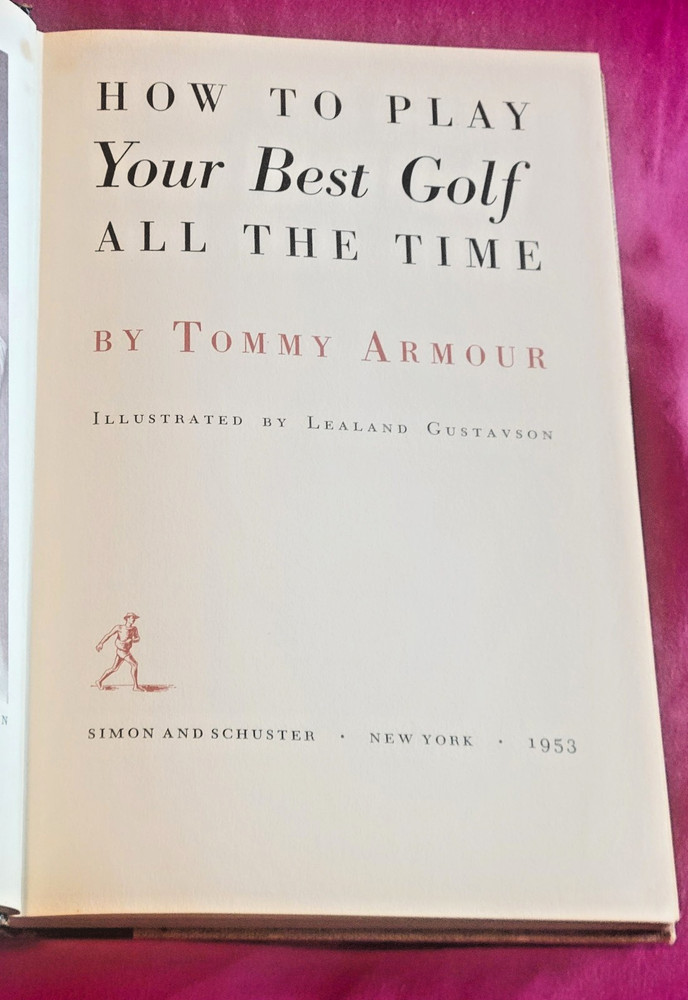
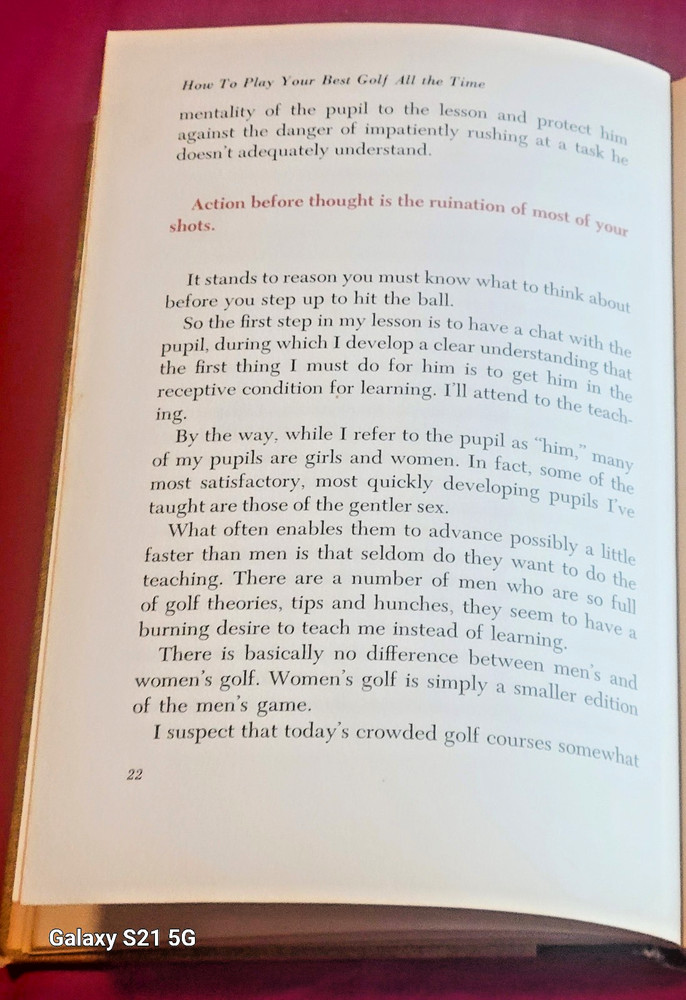
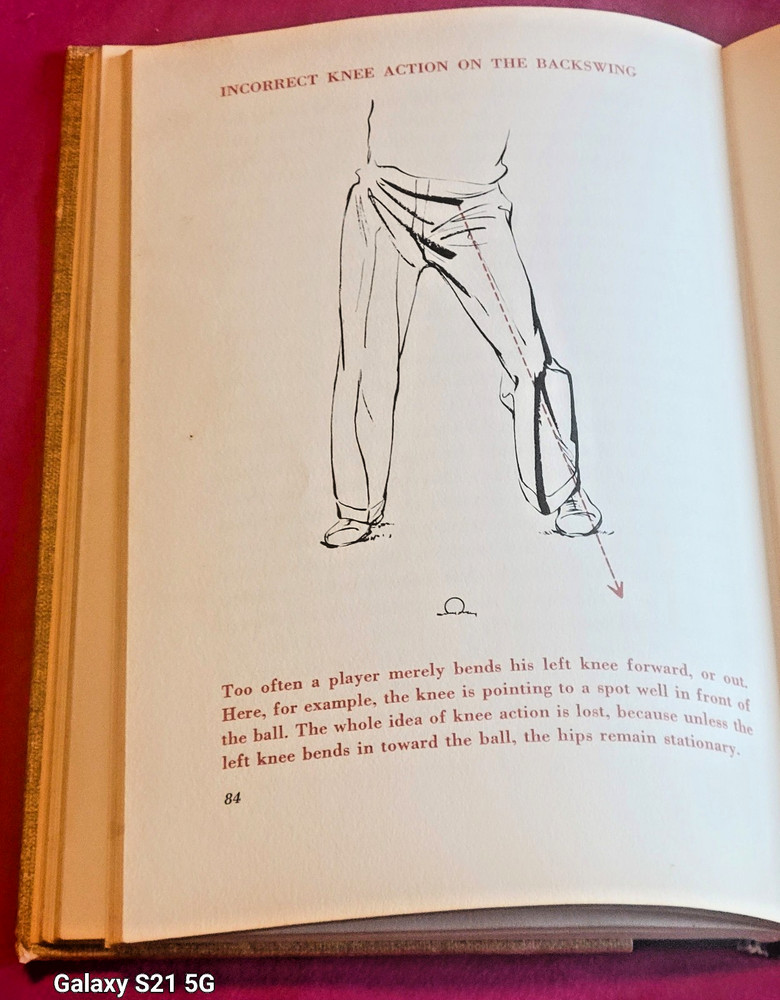
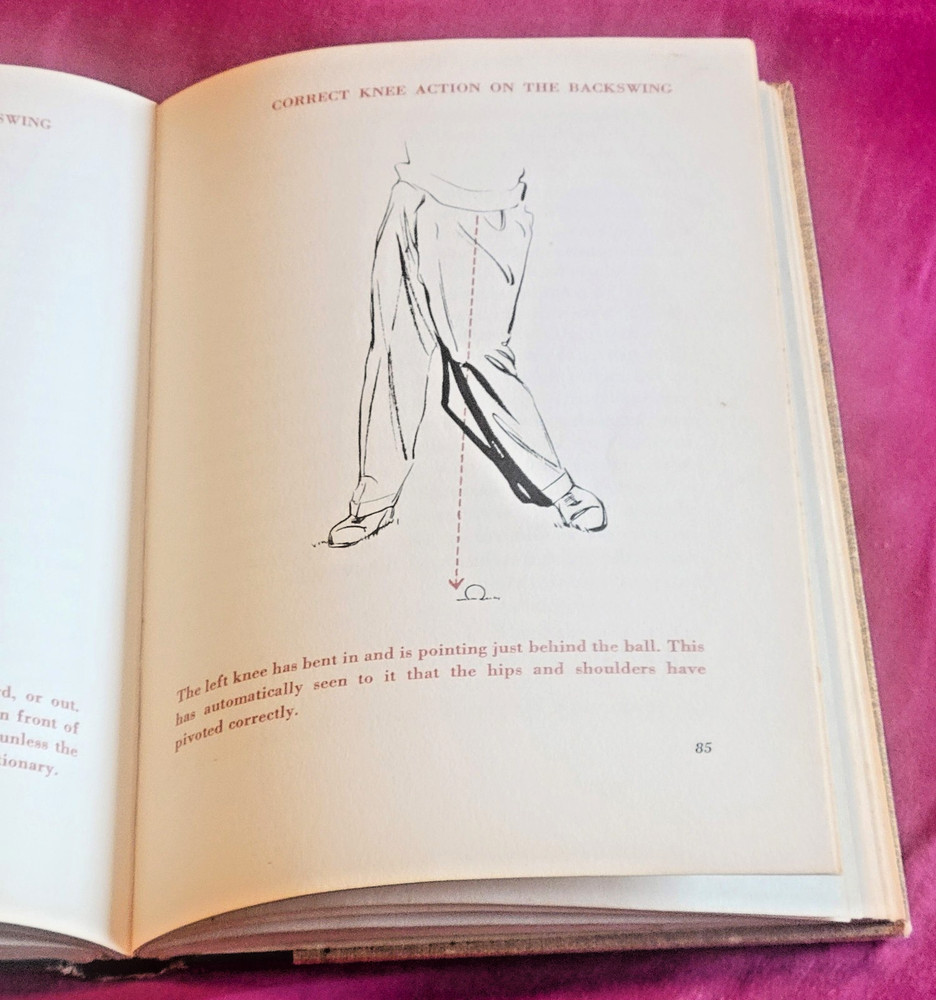
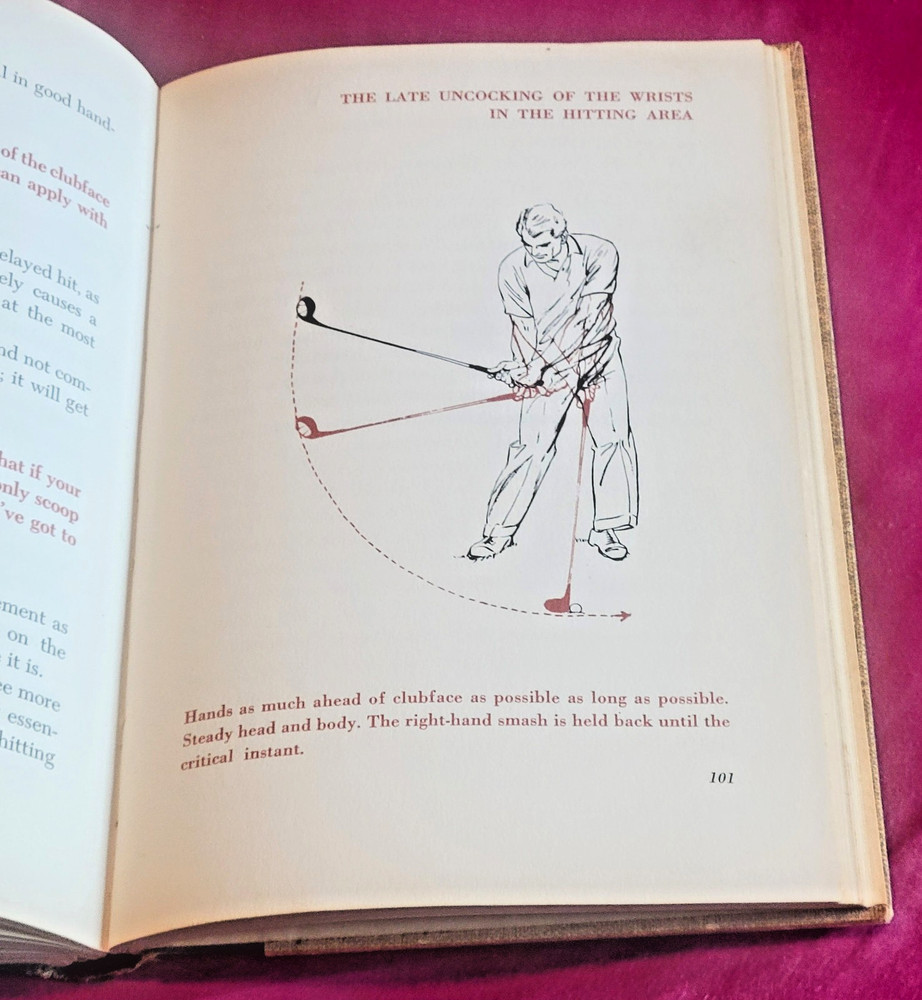
How To Play Your Best Golf All The Time Tommy Armour Hc 1953
$ 6.58
Description
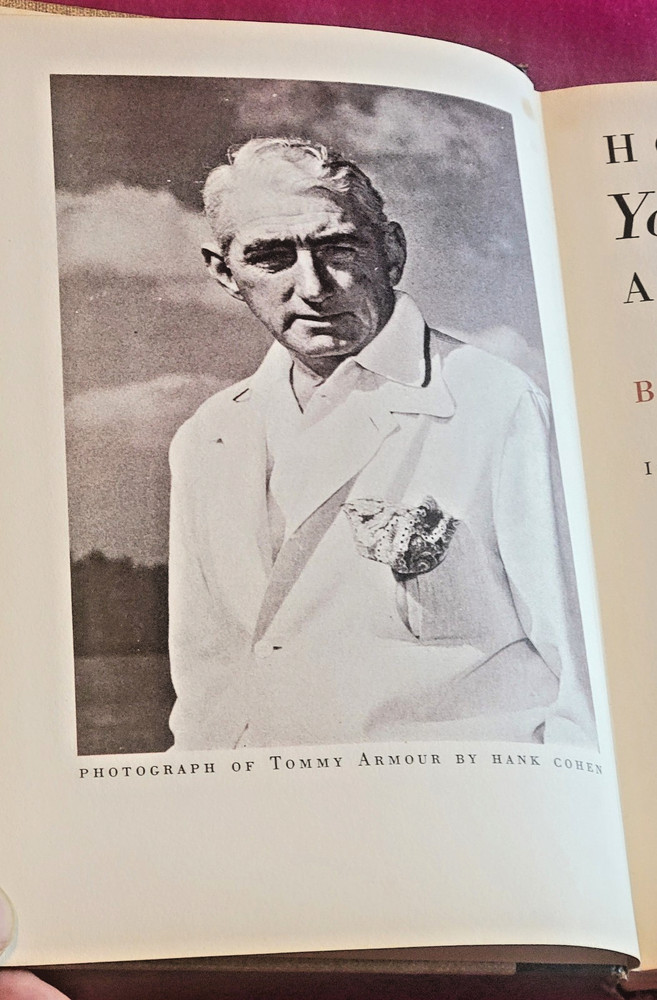
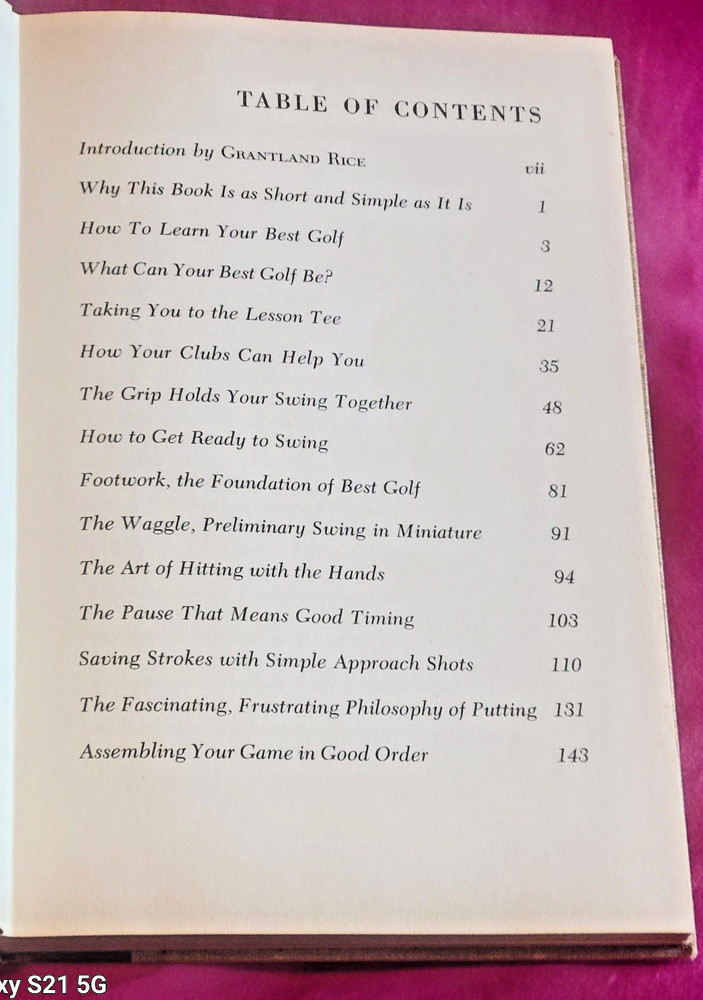
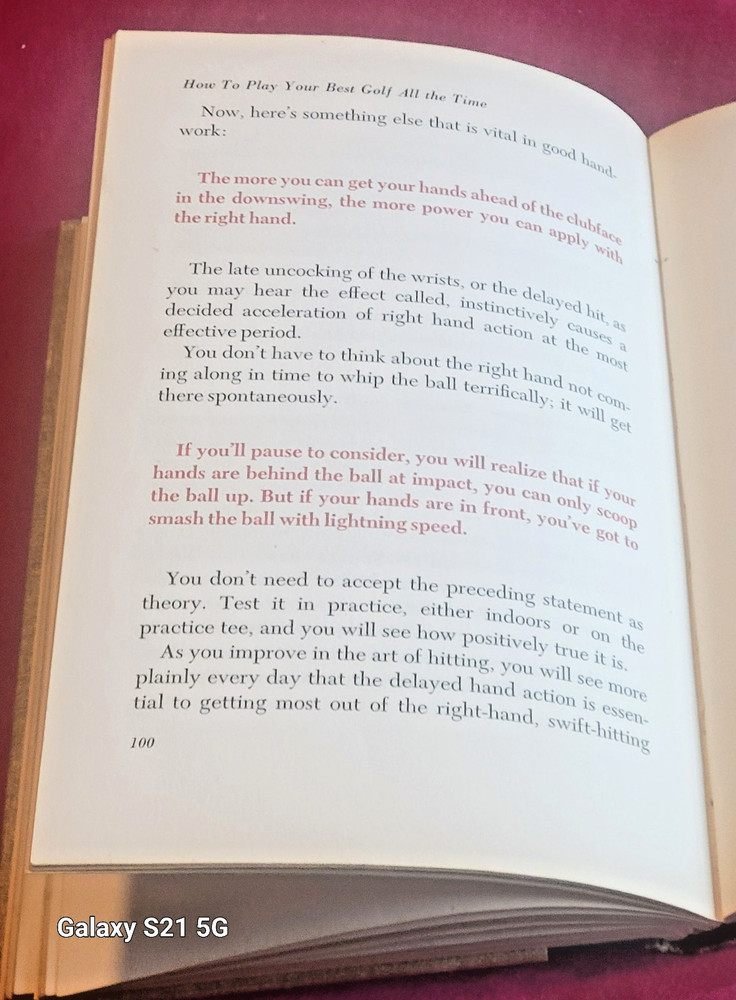
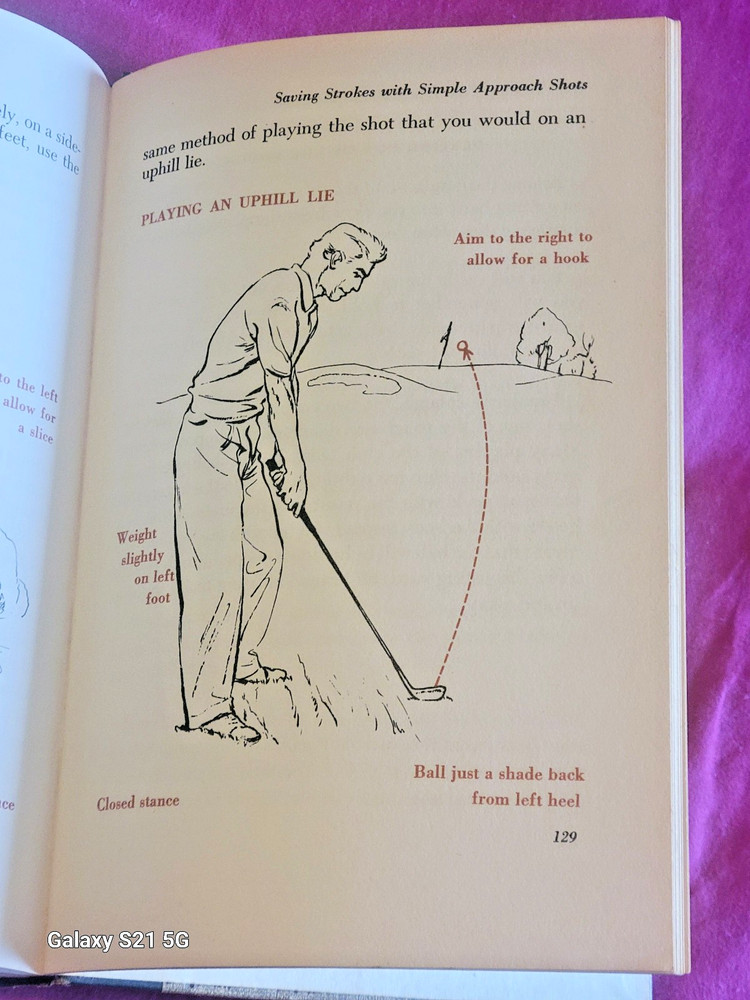
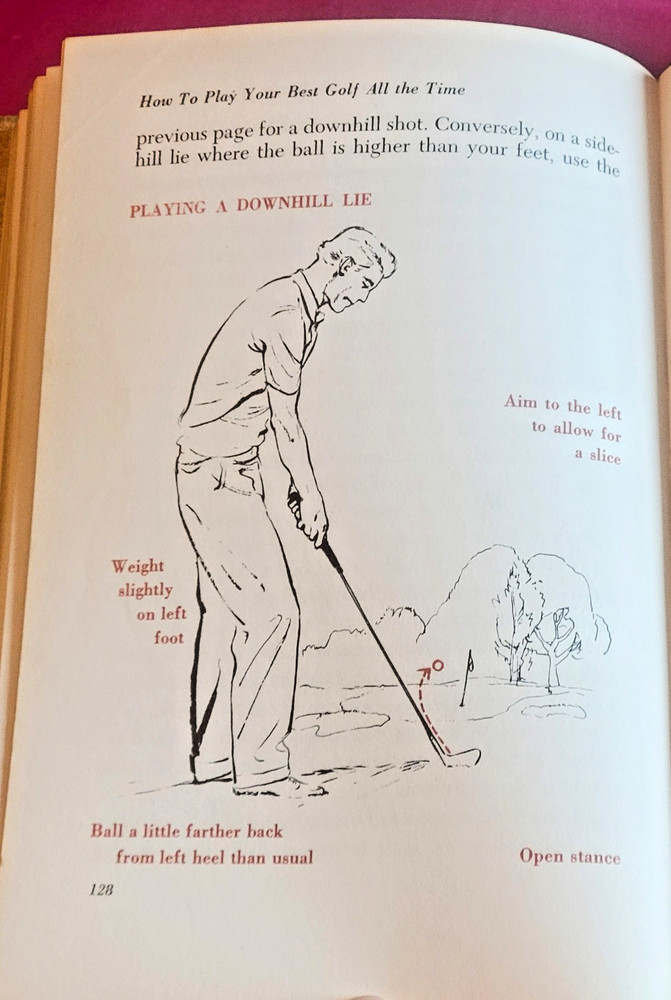
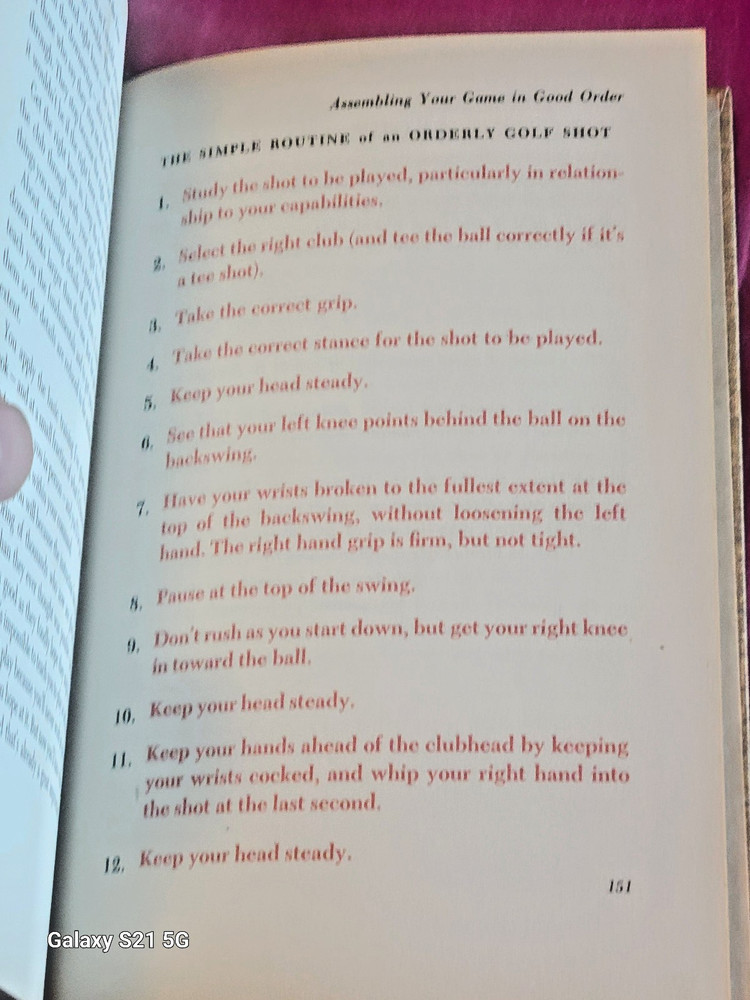
HOW TO PLAY YOUR BEST GOLF ALL THE TIME TOMMY ARMOUR HC 1953. A True Legend: Known as "The Silver Scot," Armour was one of the most dominant golfers of the 1920s and 30s, winning the U.S. Open (1927), the PGA Championship (1930), and The Open Championship (1931). War Heroism: Before his professional golf career, he served as a machine gunner in the British Army during World War I, surviving a mustard gas attack and losing sight in his left eye, requiring a metal plate in his head. The Master Instructor: After retiring from competition, he became the highest-paid and most sought-after golf teacher in the world at the Boca Raton Club, coaching everyone from everyday players to top professionals [1]. Invented the "Yips": He is culturally famous for coining the golfing term "the yips" to describe the sudden, nervous muscle spasms that ruin a player's putting stroke. he Red-Letter Feature: Golfers actively seek out early 1953 printings because the most critical mechanical advice is uniquely printed in bright red ink for quick mental scanning Timeless Mechanical Advice: Unlike modern books filled with complex physics and video analysis, Armour's advice focuses on universal basics—like a proper grip and a slight pause at the top of the backswing—that still fix slices and hooks today