
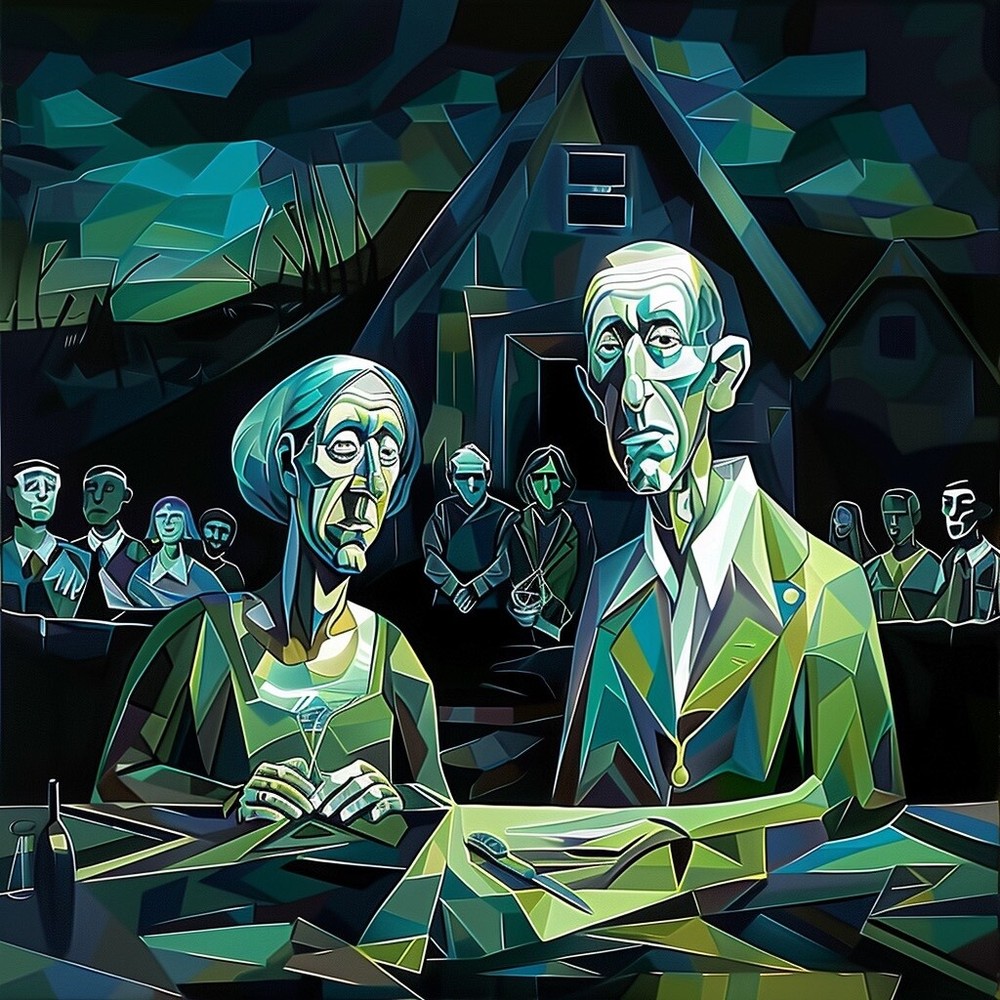
Original Art Surreal Giclee, signed Dr. Shrinker, Giclee “Untitled No. 18:24”
$ 36.43
Description
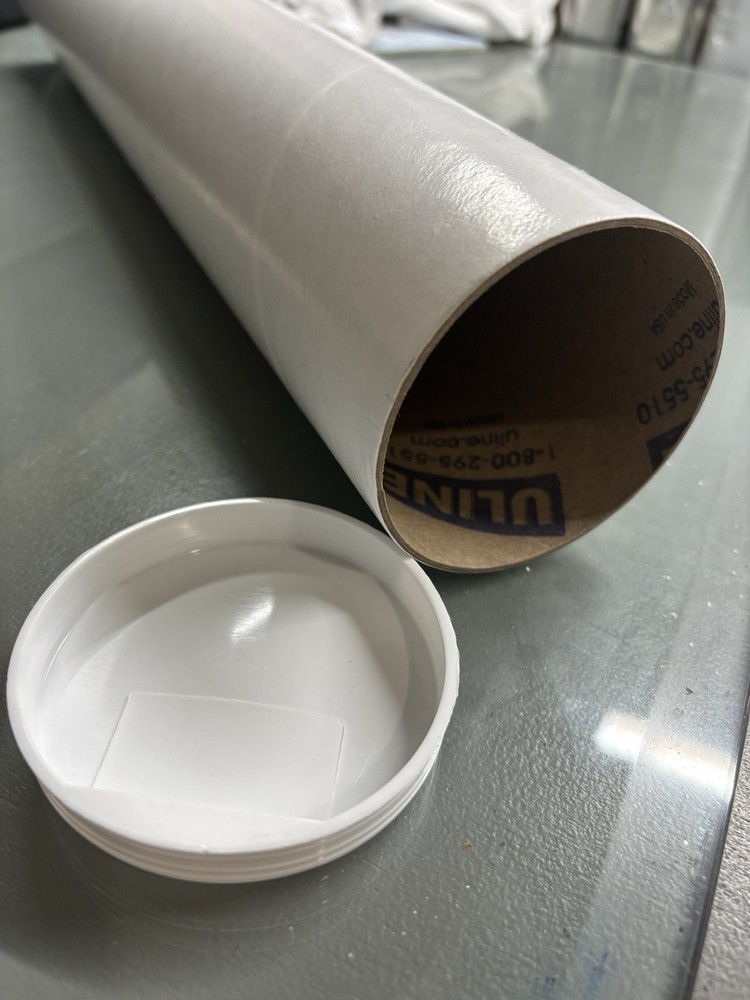
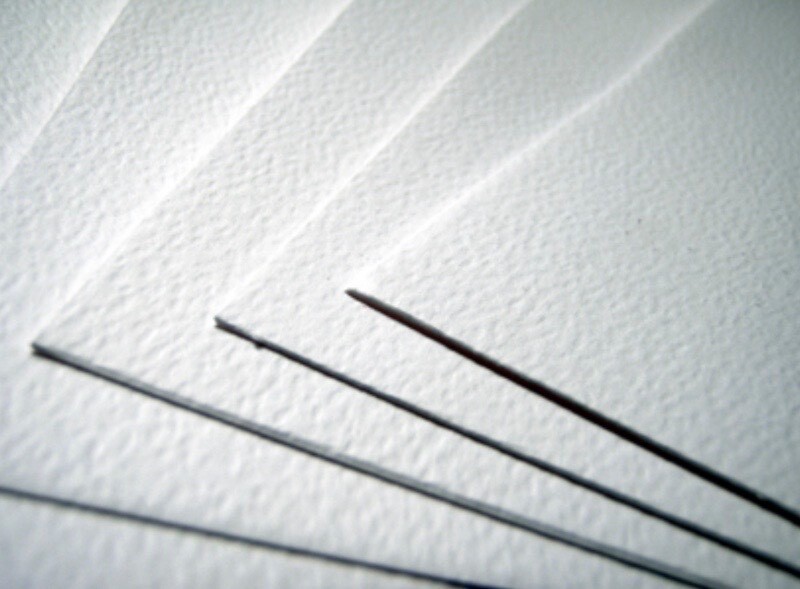
What is a Giclee? Giclée prints are amongst the best fine art reproductions available today, used for gallery and museum exhibition, limited editions, private collections, archives, and more. But what are they? What do you need to know to make or buy one? And what makes these prints worth it? A true giclée print refers to an archival print made from an inkjet printer equipped with a highly permanent set of inks in a wide range of colors. Artists, galleries, and collectors seek out giclée prints because of their unmatched standard of digital reproduction, and archival longevity. The word giclée is derived from a combination of French words "gicleur" (meaning "nozzle"), and "gicler" (meaning "to spray"). The resultant "giclée", referencing the spray of some liquid, was then adopted to refer to inkjet printing technology. Ink When it comes to ink, Giclee printers look for two main features: —gamut (range of color) —permanence (resisting to fading) As giclée prints are sought after for their accuracy in reproducing color, the inks must perform well. Inks must guarantee a wide range of color, what printers call a "gamut", as with more color possibilities, the better a printer can accurately reproduce saturated and difficult colors in a print. The science of inks is complicated, and skilled printers study new inks that come out and routinely test new stock. As companies can change their ink formulations at any time for any reason, having the expertise and diligence of a skilled printer can save you time, money, and heartache. While high quality color is undeniably important, inks must also be archival. Quality giclées are made to be archival, meaning that they can last hundreds of years in good condition, so archival pigment inks must be durable and long lasting. In contrast, dye inks are inexpensive and can create spectacular color, but they fade. A giclée printer should use ink with great color and permanence — the ideal combination. Canon states their inks will last for 200 years as long as the print is not exposed to direct sunlight. Paper Whatever printing process you use, you have to match it with the right paper. For giclée prints, the paper —must be archival. That means it must: —be acid free —have no artificial whiteners —have minimal to no optical brighteners (OBAs) —have excellent quality control and consistency —be light resistant for at least 100 years —hold high ink density (to create deep blacks, for example) —be lignin-free (to prevent yellowing and degradation) A common misconception is that the paper must be cotton. While cotton rag is a tried-and-true classic material used for all forms of printmaking, not just digital, there are many alternative excellent options. Alpha(a)-cellulose fibers, organic fibers such as bamboo, hemp, and mulberry (kozo), and tightly-woven fabrics such as linens or canvas, are just some options. Archival papers should meet local and international standards. ISO 1 1 108 sets guidelines internationally, while the US uses ANSI standards. These standards help paper manufacturers, print studios, and customers stay on the same page. If the paper does not meet these standards, the print can degrade over time or interact with ink in unpredictable ways. And while it's not a technical feature, a good paper for a giclée print should also feel great. A tactile surface helps a print become a beautiful object itself, not a mere reproduction. Dr. Shrinker's art captures the essence of surrealism and contemporary art. This 1 of 10 giclee is signed by the artist himself. It comes with a certificate of authenticity. The medium sized paper is made on Canon's fine art paper and features a unique signature. This giclee is a great addition to any art collection and is sure to impress. It is a giclee produced in 2025 and is part of a series of Giclees printed by Norman Goodwin in the USA. The print comes matted. Don't miss out on this one-of-a-kind piece of art. The giclee measures 17 x 17 inches. It is shipped in a tube. Dr. Shrinker's artist statement: “I have always been fascinated by the concept of Emergence. Fish huddle in schools, birds flock in clusters, and mountains erode into valleys; producing the most incredible forms as the individual parts create the whole. Wall art is a window for other places; shapes in the windows represent the world of nouns. Instead of depicting the familiar persons, places, and things, my work seeks to explore the world outside the realm of mundane physical realism; challenging the viewer to tame the chaos on my canvas with their imagination. I want to bridge the world of subjectiveness in painting with objective interpretation. Like the emergence of life from energy, my art allows the viewer to find their own meaning through my work. I choose not to stand between the viewer and their art experience, and to let them decide for themselves what I have painted. The longer one looks, the more one discovers — on many levels.”
Recvd all of my pics and was pleasantly surprised! Thank you so very much for the extra pics that was so very kind of you. I will cherish those pics and I know my son will. He is a FF on the Savannah Fire Dept. Great quality , perfect condition as the packaging was excellent !! They don’t even look like copies the quality is so good. They look like original pictures. I will definitely order more pictures from this seller! Very quick delivery. 😊🚒
Truly a great buy! Fantastic quality! Super condition and safe, fast shipping! Just as pictured! Would buy from again in an instant! Out of this world work and craftsmanship! Thank You! A+++++
Fast Shipping! Perfect Condition! Top Notch Seller! Thank You for the Discount card and and the small picture that came with my order!
Related products
"Queen Elizabeth II" Blue Version by Andy Warhol, Pop Art Poster Giclee Print
$ 36.43"Love Bomb," By BANKSY Poster Giclee Print, 17 x 22
$ 36.43"Flying Copper," by BANKSY Poster Giclee Print, 17 x 22
$ 36.43"Fauborg"by Paul Delvaux Art Poster Giclee Print, 17 x 22
$ 36.43