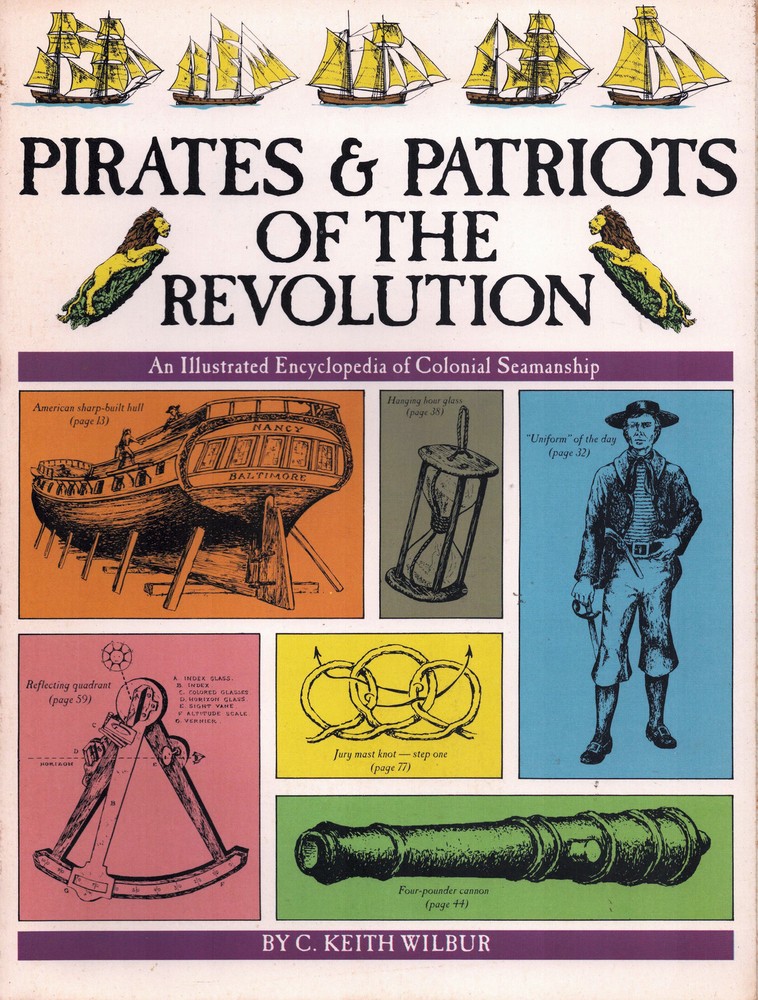
Pirates & Patriots Of The Revolution Weapons Privateers Rigging Fighting Victual
$ 5.26
Description
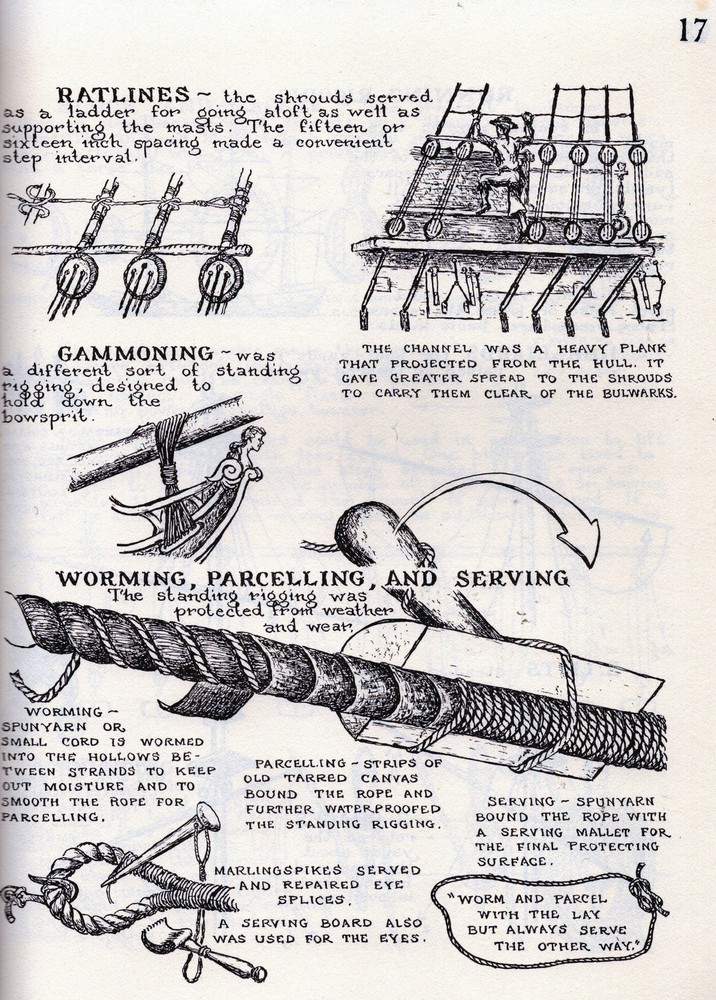
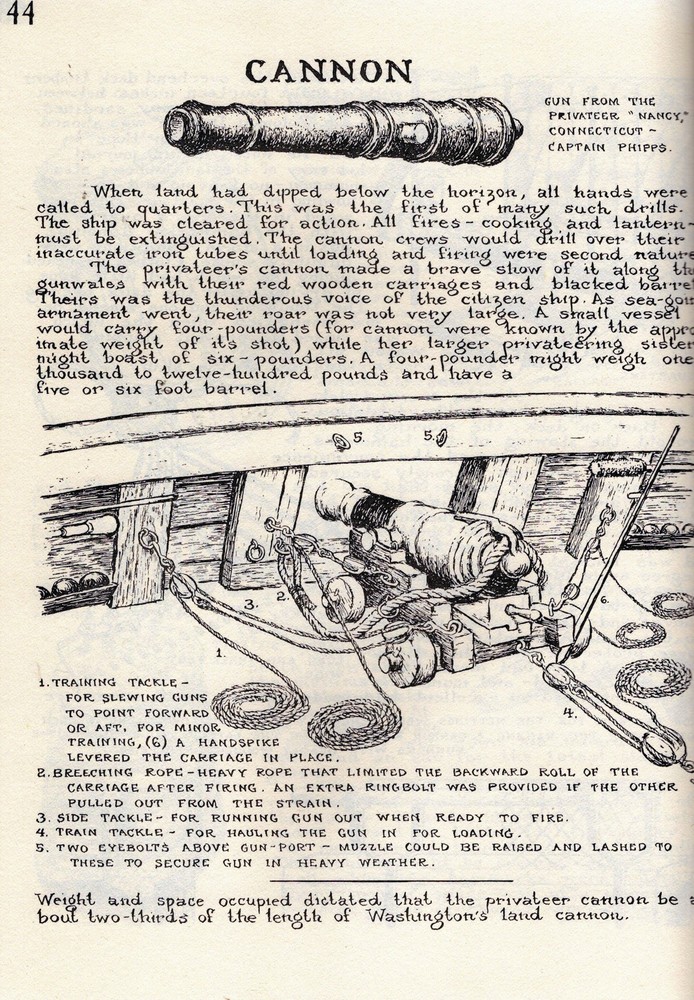
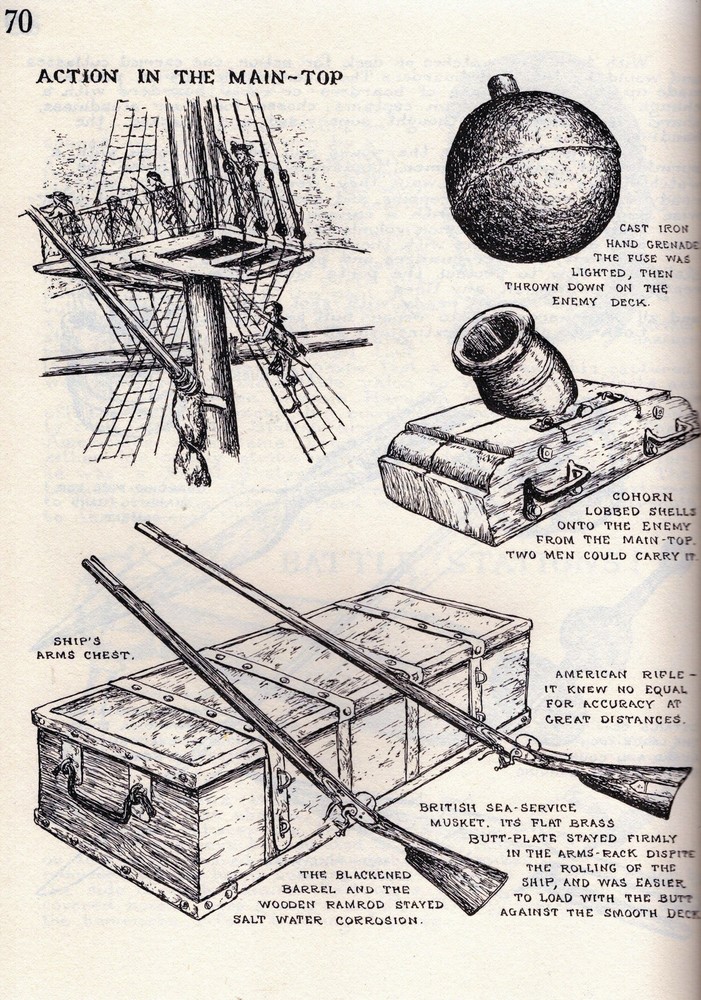
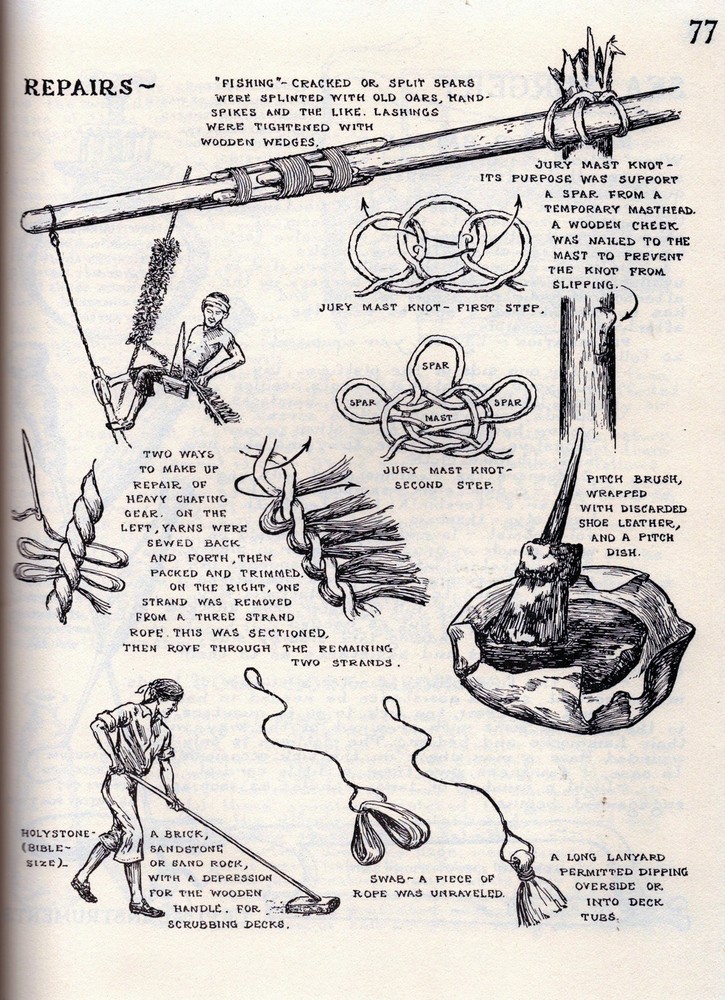
PIRATES & PATRIOTS OF THE REVOLUTION WEAPONS PRIVATEERS RIGGING FIGHTING VICTUAL. In early 1781, General George Washington and the comte de Rochambeau planned an attack against the British in the Chesapeake Bay area coordinated with the arrival of a large fleet commanded by Vice-Admiral Comte François Joseph Paul de Grasse from the West Indies. PIRATES & PATRIOTS OF THE REVOLUTION WEAPONS PRIVATEERS RIGGING FIGHTING VICTUAL PIRATES & PATRIOTS OF THE REVOLUTION WEAPONS PRIVATEERS RIGGING FIGHTING VICTUALS SCRIMSHAW SONGS SUPERSTITIONS FIGUREHEADS COLORS & SIGNALS NAVIGATION LATITUDE LONGITUDE CHARTS LOGS FIRE-FIGHTING STOPPING LEAKS PRISONERS SHIPYARDS SAW PIT GAMMONING WORMING PARCELLING HALLIARDS LIFTS BLOCK AND TACKLE BELAYING PINS SAILS SAILMAKERS TACKING FURLING SHIP OWNERS LANDLUBBERS MARINE GUARDS CREW CLOTHING DITTY BAG WEIGHING THE ANCHOR SHIP’s BELL WATCHES BELOW DECKS THUNDER JUG MEAT CASK HAMMOCKS CANNONS PROJECTILES QUACKERS GUNNERS RAMMER / SPONGER SWIVEL GUN HADLEY’s REFLECING QUADRANT AN ILLUSTRATED ENCYCLOPEDIA OF COLONIAL SEAMANSHIP HOW THE COLONIAL ARMED THEIR VESSELS PRIVATEERS, WHALEBOATS AND SPIDER CATCHERS HULLS FOR SPEED AND MANEUVER HOW THE HULLS WERE BUILT FORMING AND INSTALLING THE GREAT SPARS ROPE, RATLINES AND GEAR HOW THE SHIPS WERE RIGGED SAILS AND SAILRIGGING PRIVATEERING – A RESPECTED BUSINESS ENTERPRISE THE TYPICAL CREW MEMBER PUTTING OUT TO SEA THE SHIPS CANNON LIFE ON THE HIGH SEAS COLORS AND SIGNALS IDENTIFYING THE ENEMY NAVIGATION CHASE DECISIONS BATTLE AT SEA (FIGHTING TOPS, BOARDING, COLLISIONS, GRAPPLING, BOARDING, SEA SURGERY) THE CAPTURED PRIVATEERS PRIVATEER ENGAGEMENTS ASHORE AND IN HARBORS HOW THE SHIPS WERE SCRAPED AND REFITTED PRIZE DISPOSALS AND PAY-OFFS ----------------------------- Additional Information from Internet Encyclopedia The American Revolutionary War saw a series of battles involving naval forces of the British Royal Navy and the Continental Navy from 1775, and of the French Navy from 1778 onwards. Although the British enjoyed more numerical victories, these battles culminated in the surrender of the British Army force of Lieutenant-General Earl Charles Cornwallis, an event that led directly to the beginning of serious peace negotiations and the eventual end of the war. From the start of the hostilities, the British North American station under Vice-Admiral Samuel Graves blockaded the major colonial ports and carried raids against patriot communities. Colonial forces could do little to stop these developments due to British naval supremacy. In 1777, colonial privateers made raids into British waters capturing merchant ships, which they took into French and Spanish ports, although both were officially neutral. Seeking to challenge Britain, France signed two treaties with America in February 1778, but stopped short of declaring war on Britain. The risk of a French invasion forced the British to concentrate its forces in the English Channel, leaving its forces in North America vulnerable to attacks. France officially entered the war on 17 June 1778, and the French ships sent to the Western Hemisphere spent most of the year in the West Indies, and only sailed to the Thirteen Colonies from July until November. In the first Franco-American campaign, a French fleet commanded by Vice-Admiral Comte Charles Henri Hector d'Estaing attempted landings in New York and Newport, but due to a combination of poor coordination and bad weather, d'Estaing and Vice-Admiral Lord Richard Howe naval forces did not engage during 1778.[1] After the French fleet departed, the British turned their attention to the south. In 1779, the French fleet returned to assist American forces attempting to recapture Savannah from British forces, however failing leading the British victors to remain in control till late 1782. In 1780, another fleet and 6,000 troops commanded by Lieutenant-General Comte Jean-Baptiste de Rochambeau, landed at Newport, and shortly afterwards was blockaded by the British. In early 1781, General George Washington and the comte de Rochambeau planned an attack against the British in the Chesapeake Bay area coordinated with the arrival of a large fleet commanded by Vice-Admiral Comte François Joseph Paul de Grasse from the West Indies. British Vice-Admiral Sir George Brydges Rodney, who had been tracking de Grasse around the West Indies, was alerted to the latter's departure, but was uncertain of the French admiral's destination. Believing that de Grasse would return a portion of his fleet to Europe, Rodney detached Rear-Admiral Sir Samuel Hood and 15 ships of the line with orders to find de Grasse's destination in North America. Rodney, who was ill, sailed for Europe with the rest of his fleet in order to recover, refit his fleet, and to avoid the Atlantic hurricane season. British naval forces in North America and the West Indies were weaker than the combined fleets of France and Spain, and, after much indecision by British naval commanders, the French fleet gained control over Chesapeake Bay, landing forces near Yorktown. The Royal Navy attempted to dispute this control in the key Battle of the Chesapeake on 5 September but Rear-Admiral Thomas Graves was defeated. Protected from the sea by French ships, Franco-American forces surrounded, besieged and forced the surrender of British forces commanded by General Cornwallis, concluding major operations in North America. When the news reached London, the government of Lord Frederick North fell, and the following Rockingham ministry entered into peace negotiations. These culminated in the Treaty of Paris in 1783, in which King George III recognised the independence of the United States of America. FREE scheduling, supersized images and templates. Get Vendio Sales Manager. Make your listings stand out with FREE Vendio custom templates! FREE scheduling, supersized images and templates. Get Vendio Sales Manager. Over 100,000,000 served. Get FREE counters from Vendio today!