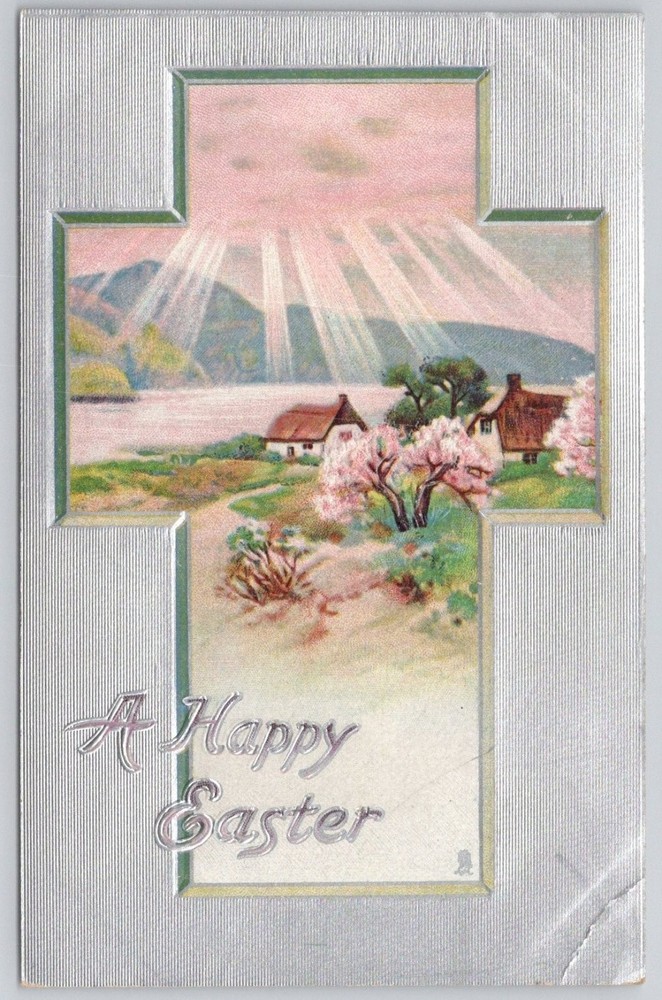
Raphael Tuck Silver Cross Easter Postcard Embossed Saxony Blossoms c.1907
$ 5.02
Description
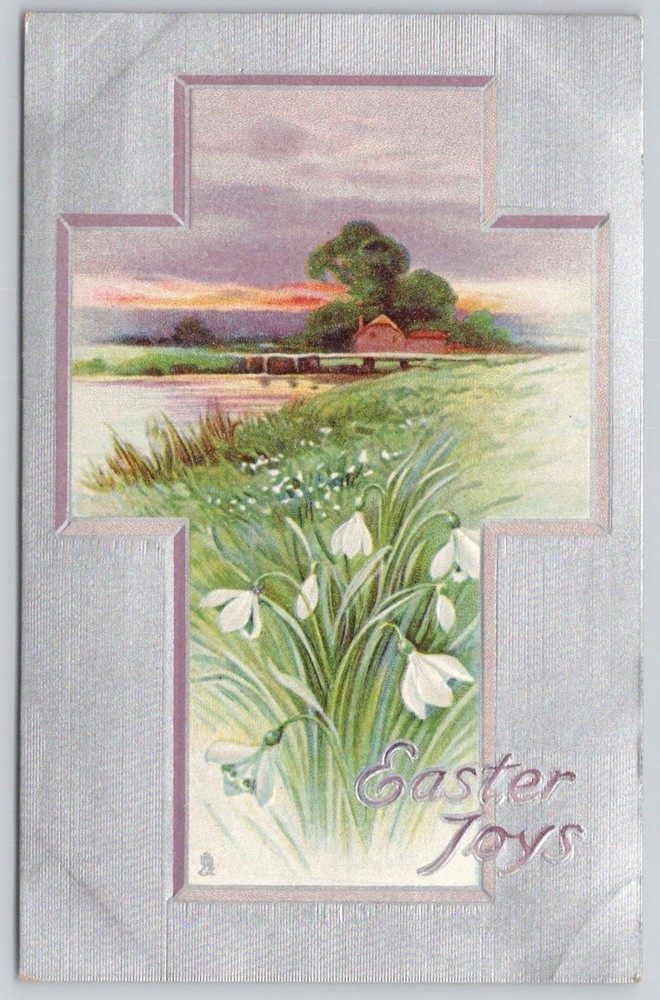
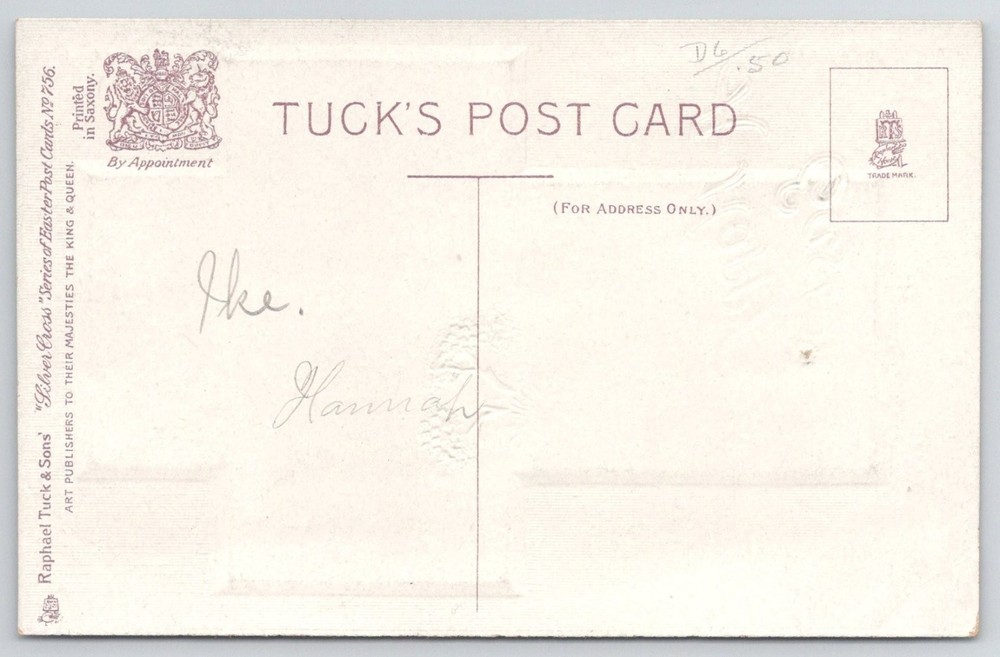
Raphael Tuck Silver Cross Easter Postcard Embossed Saxony Blossoms c.1907. This exquisite piece features a striking embossed cross design, framing a serene rural landscape adorned with charming houses and delicate blossoming trees, possibly cherry or apple, bathed in the soft glow of sun rays. Thank you for visiting! This item is in stock and usually ships within 1 business day of your purchase. It will be shipped via ebay Standard Envelope which provides tracking information when it passes through the sorting machines for First Class mail. USPS workers have no way of scanning the barcode on the label. When it marks it as "out for delivery or delivered" it means it has arrived at your local sorting center, not your home address. Depending on your local postal route, it may take several days yet to arrive at your home. Also, consider possible weather delays in the actual time the service takes. Feel free to write if you have any questions. Discover a beautiful early 20th-century Easter postcard from the renowned Raphael Tuck & Sons, part of their cherished "Silver Cross Series of Easter Post Cards No. 706." This exquisite piece features a striking embossed cross design, framing a serene rural landscape adorned with charming houses and delicate blossoming trees, possibly cherry or apple, bathed in the soft glow of sun rays. The metallic silver accents on the cross outline and border, along with the embossed "Happy Easter" greeting, add a touch of elegance and sophistication to this seasonal greeting. Printed with exceptional quality in Saxony, a region celebrated for its postcard production during the Golden Age, this card exemplifies the artistry of the era. The divided back, indicating its production around 1907, displays the iconic "Tuck's Post Card" mark and the royal warrant "By Appointment ART PUBLISHERS TO THEIR MAJESTIES THE KING & QUEEN." This collectible postcard captures a timeless message of spring and renewal, making it a unique addition to any collection of holiday greetings or Tuck's memorabilia. Its intricate details and historical significance offer a glimpse into the popular aesthetic and printing techniques of the period.