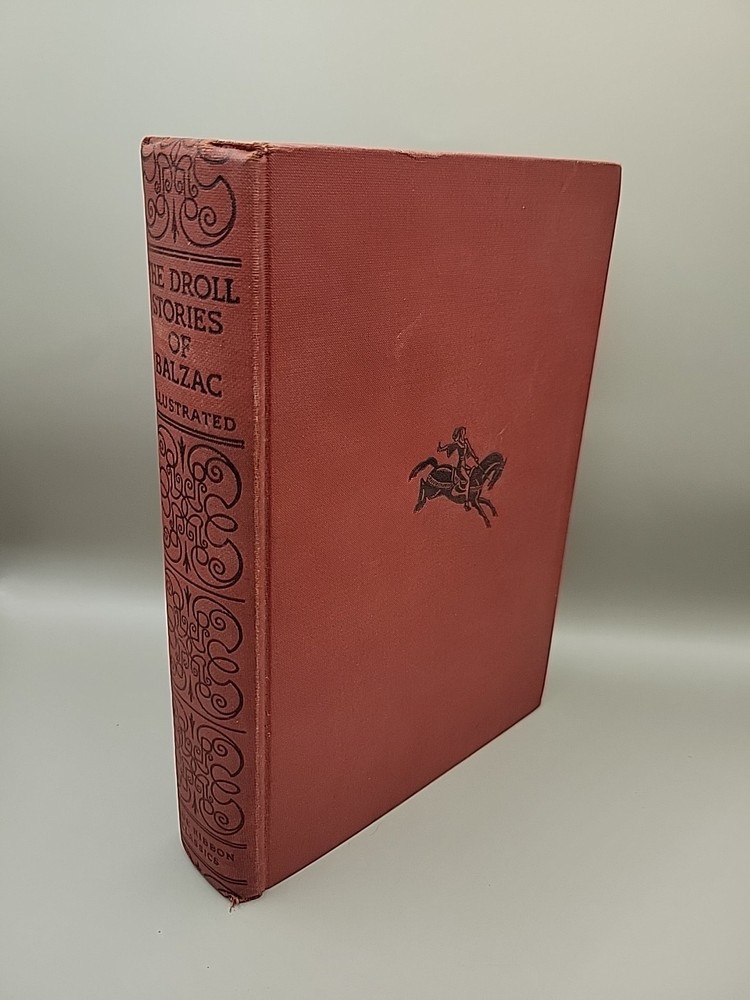
The Droll Stories Of Honore de Balzac Vintage Hardback Book 1932
$ 6.34
Description
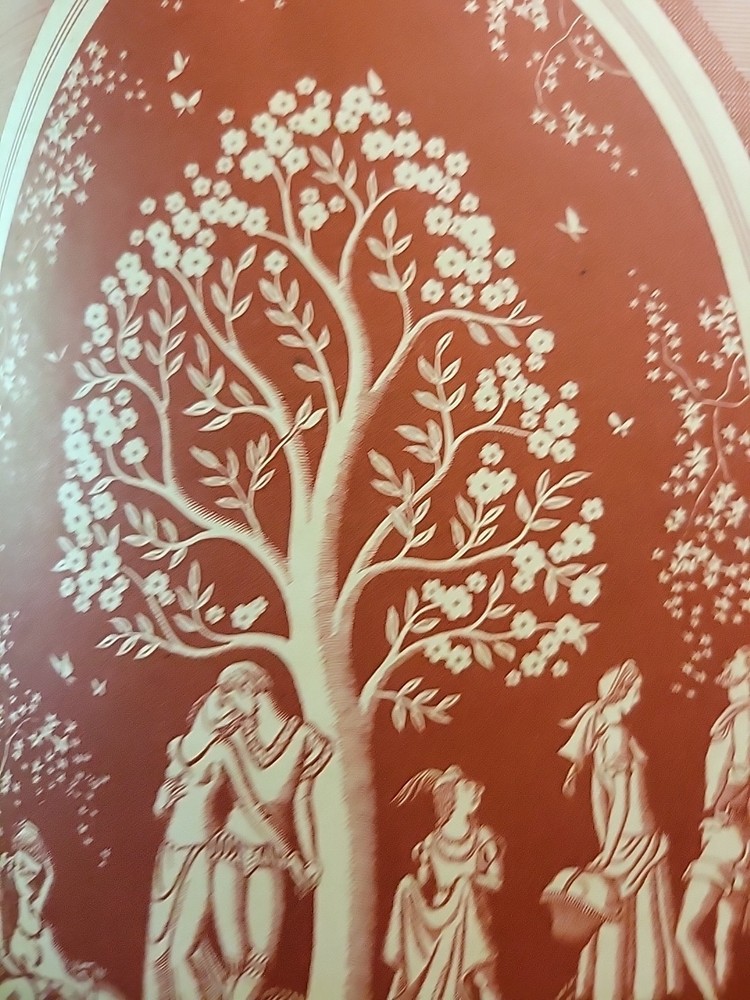
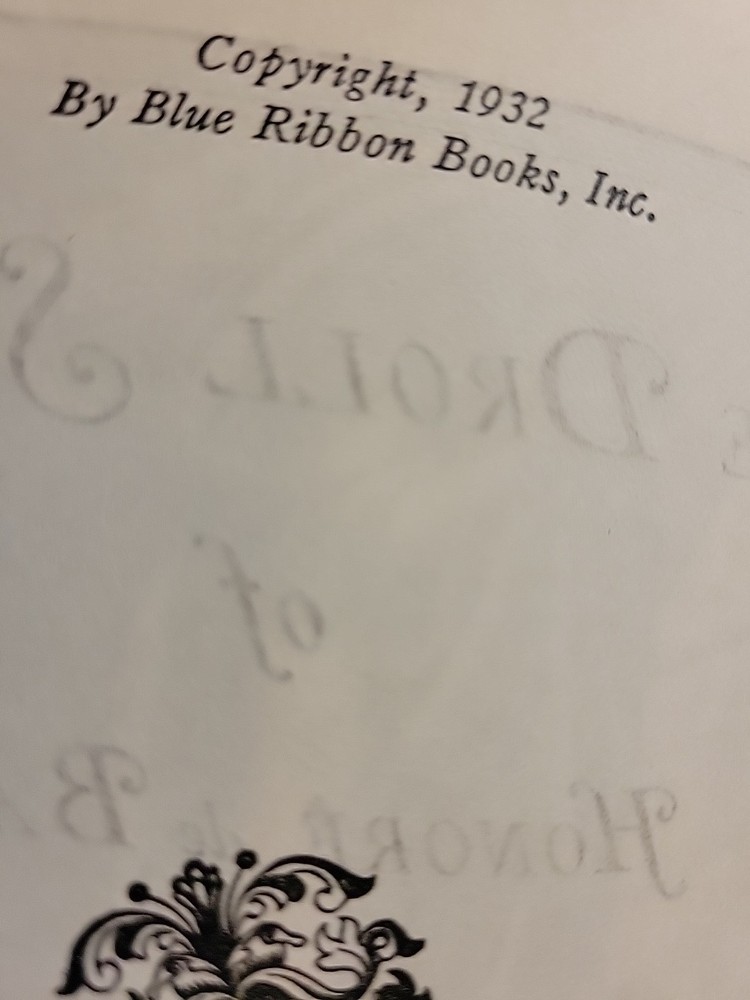
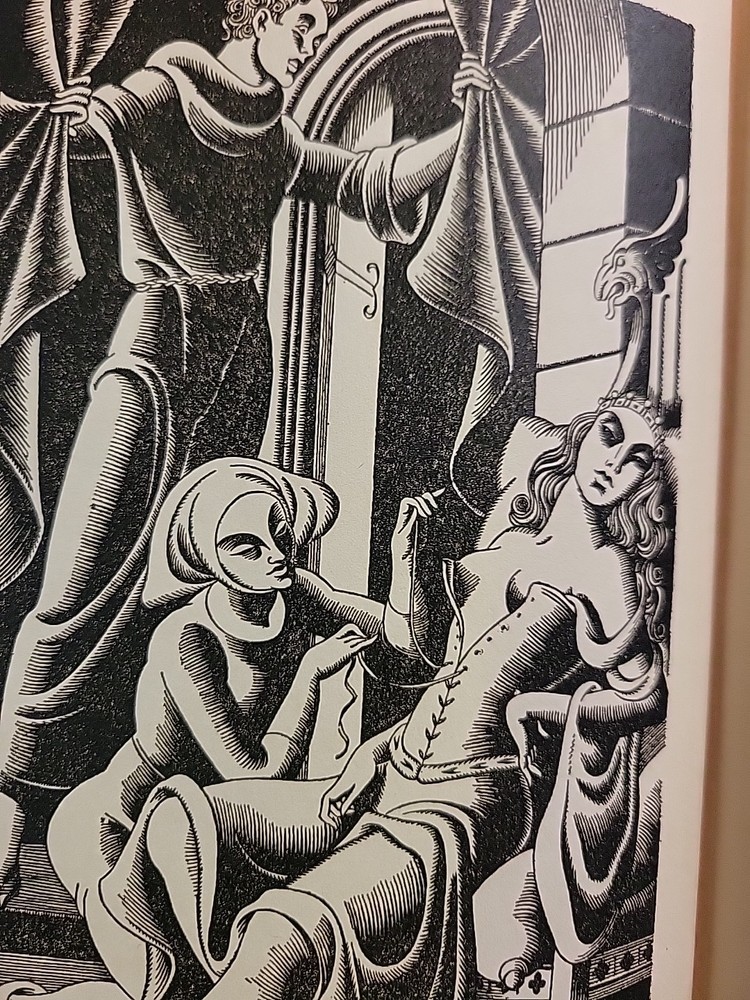
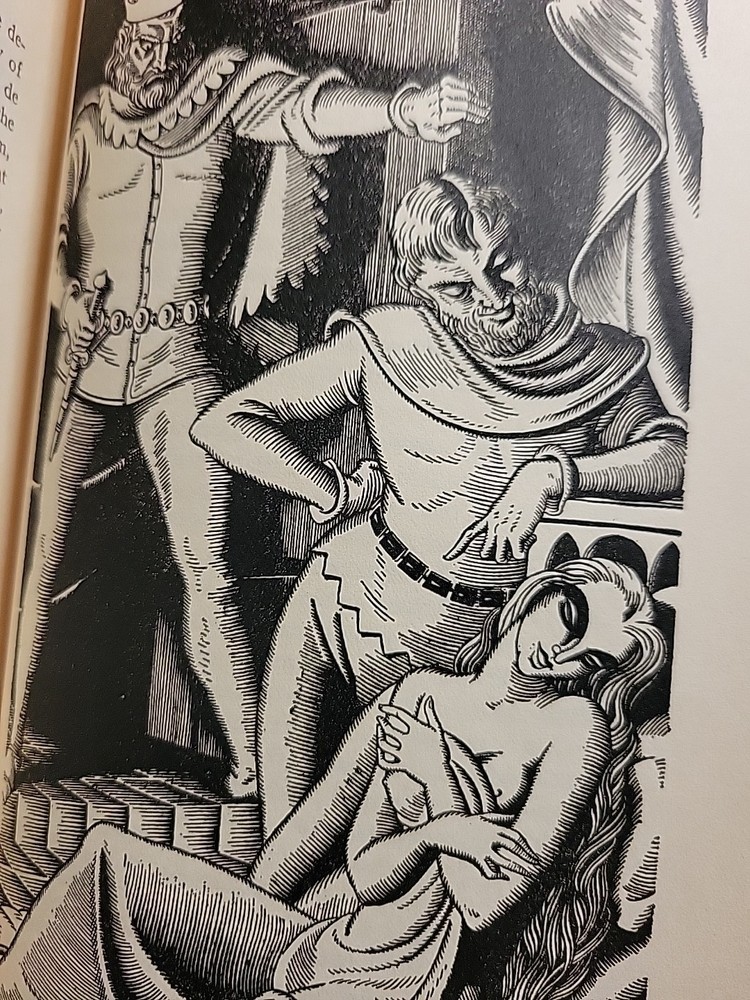
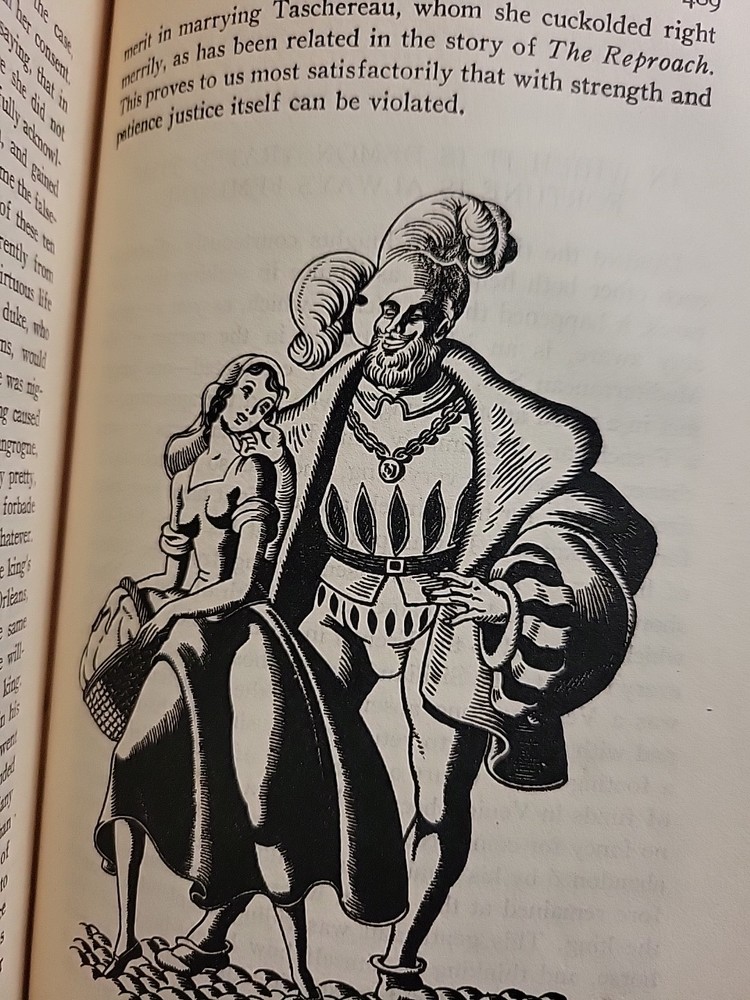
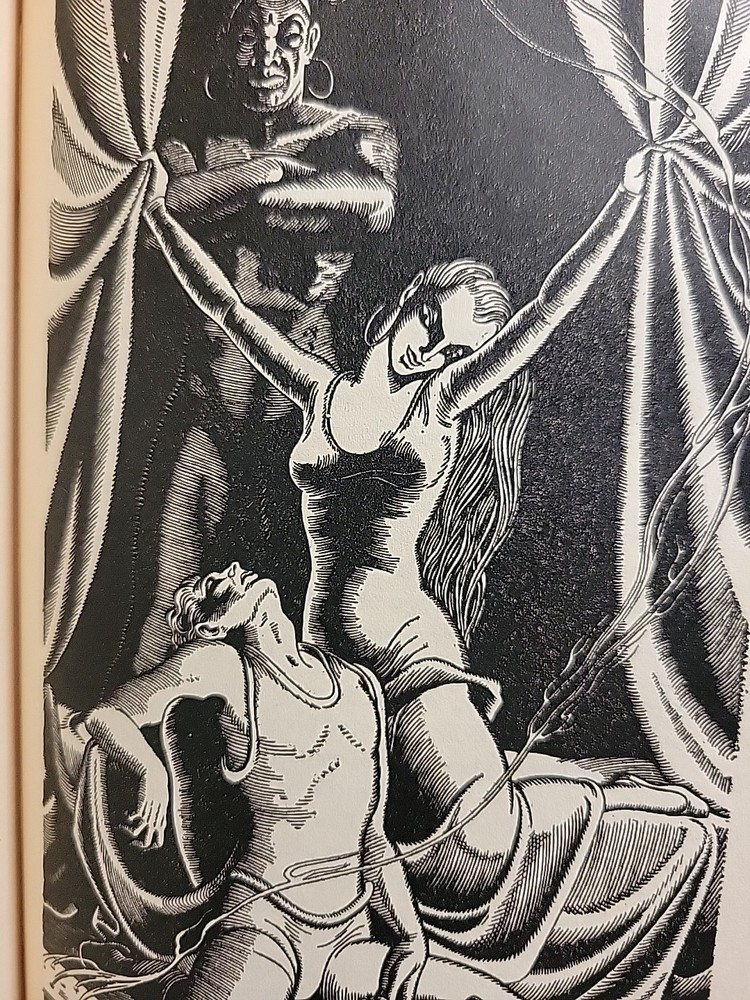
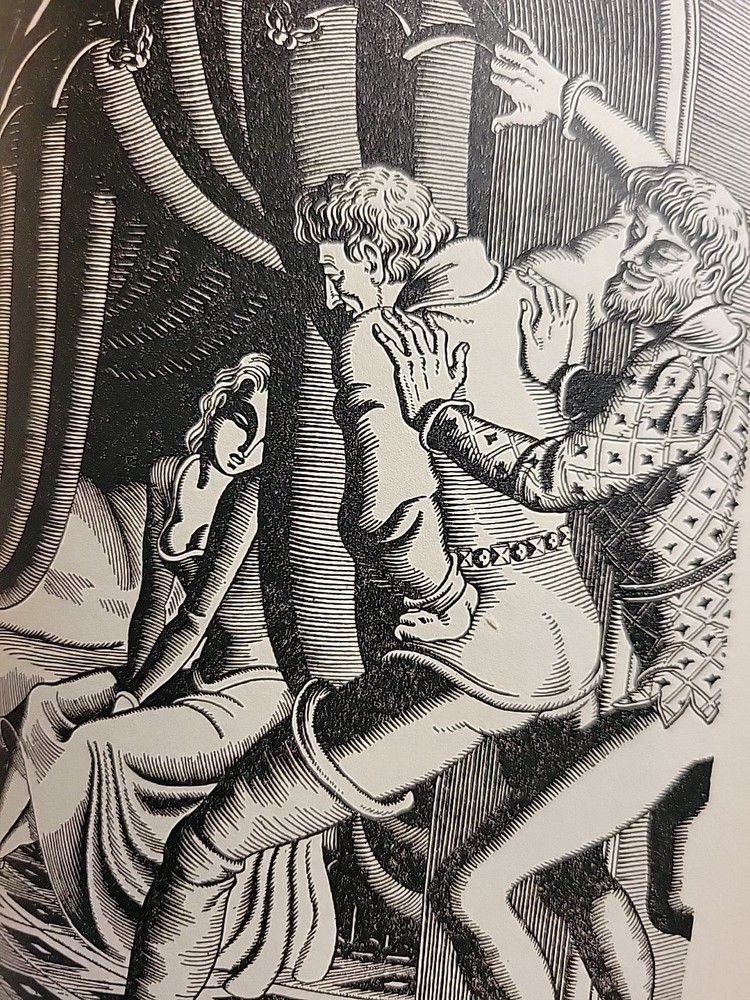
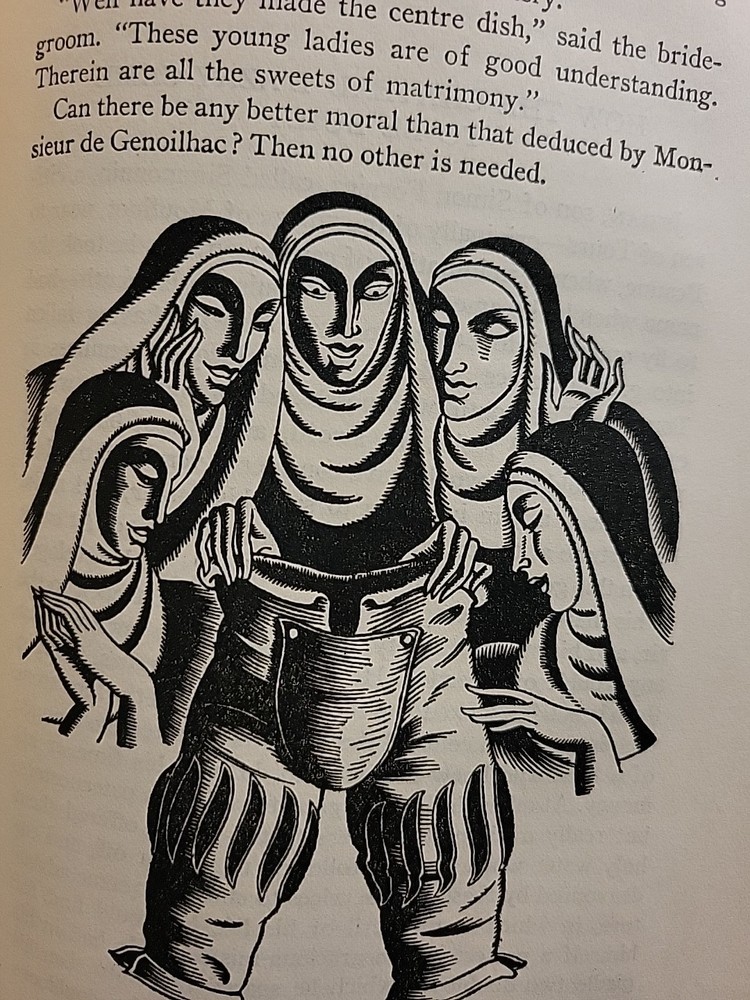
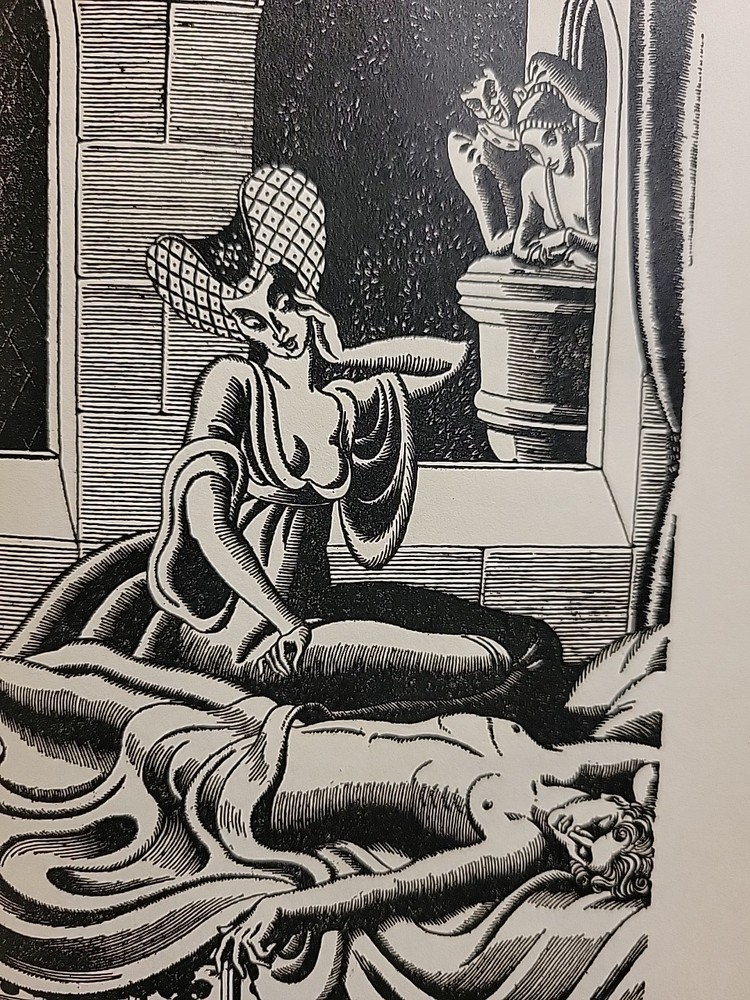
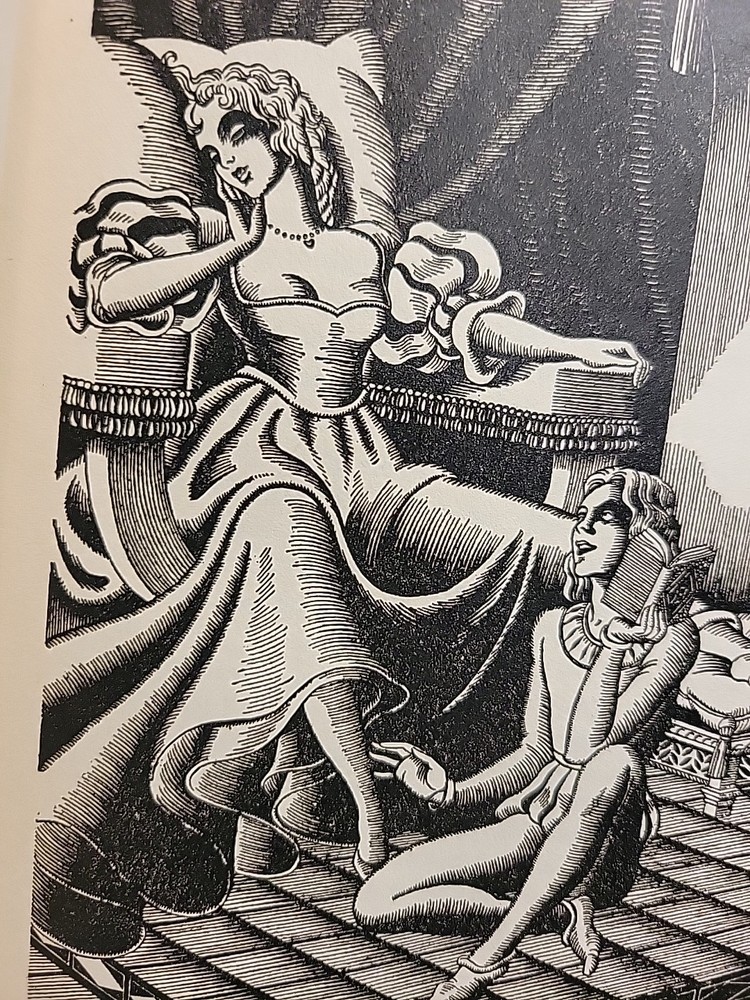
The Droll Stories Of Honore de Balzac Vintage Hardback Book 1932. Droll Stories (Contes drolatiques in French) is a collection of humorous and ribald short stories by the French novelist Honoré de Balzac, published in three sets of ten stories each in 1832, 1833, and 1837. Dive into the rich world of classic literature with "The Droll Stories of Honore de Balzac," a vintage hardback book published in 1932 by Blue Ribbon Books. This original edition brings the captivating narratives of one of literature's greats to your bookshelf, complete with illustrations that enrich the reading experience. Crafted for enthusiasts of timeless stories and character development, this book is a treasure for both collectors and admirers of Balzac's work. It is a testament to the enduring appeal of classic fiction, presented in English and bound in a durable hardcover, ready to take its place among your most cherished literary possessions. Droll Stories (Contes drolatiques in French) is a collection of humorous and ribald short stories by the French novelist Honoré de Balzac, published in three sets of ten stories each in 1832, 1833, and 1837. Inspired by Giovanni Boccaccio’s The Decameron and François Rabelais, Balzac wrote these tales in a pastiche of 16th-century French, aiming to evoke a lively, bawdy portrait of medieval and Renaissance France. The collection, subtitled Collected from the Abbeys of Touraine, was intended to include 100 stories, but only 30 were completed due to Balzac’s death in 1850. Key Features: Style and Language: The stories are written in an intentionally archaic, playful, and sometimes opaque style, mimicking Renaissance French with invented words and archaisms. This creates a comedic and distancing effect, presenting an idealized "golden age" of French character free from modern prudery. Balzac called this language a "languaige babilefique" (Babel-like lingo). Themes: The tales are Rabelaisian, filled with raunchy humor, eroticism, and social satire. They explore themes of morality, desire, adultery, and human folly, often featuring faithless wives, gullible husbands, lustful monks, and cunning women. Stories like The Venial Sin and The Merry Tattle of the Nuns of Poissy highlight absurd and bawdy situations. Setting: Set in medieval and Renaissance France, the stories paint a vivid picture of the era’s manners and social life, blending historical detail with exaggerated, comedic narratives. Structure: The collection is divided into three volumes, each containing ten stories. The first volume (1832) is light and celebratory, the second (1833) grows darker with themes of frustration, and the third (1837) incorporates more irony and references to contemporary life. Reception and Legacy: Contemporary Reaction: The stories shocked some of Balzac’s contemporaries, with critics like George Sand calling them “indecent” and Alphonse de Lamartine dismissing them as “cynical.” Their provocative content and the shift in literary taste away from the conte genre by 1833 contributed to their mixed reception. Modern Views: While less known than Balzac’s La Comédie Humaine, the Droll Stories are valued for their experimental style and contrast with his realist works. Critics like Roland Chollet see them as an “experimental space” for Balzac’s creativity, and they’ve been praised for their vivid characters and humor, though some find the humor dated or the translation lacking. Illustrations: The stories have been notably illustrated by artists like Gustave Doré (1855), Albert Robida, and Mervyn Peake, enhancing their visual appeal. Notable Stories: The Venial Sin: Praised for its situational humor and absurd plot. The Merry Tattle of the Nuns of Poissy: Features a novice nun searching her body for a “sinful flea,” embodying the collection’s bawdy tone. The Fair Imperia Married: A provocative tale of desire and deception. Cultural Significance: Balzac intended the Droll Stories as a counterpoint to his serious realist works in La Comédie Humaine, describing them as an “arabesque” woven around his contemporary novels. They reflect his fascination with France’s literary heritage and his desire to test his versatility. The stories also subtly comment on 19th-century moral and political issues, using the historical setting to critique modern hypocrisy. Availability: Available in English translations (e.g., by J. Lewis May, Ernest Boyd) and free digitized versions on Project Gutenberg. Some editions, like the 1978 Franklin Library version, include only 20 of the 30 stories, which has disappointed readers expecting the full set. Illustrated editions, such as those with Gustave Doré’s 425 woodcuts, are collectible. Reader Experience: Readers enjoy the stories for their wit, vivid characters, and historical flavor, though some find the archaic language challenging or the humor inconsistent. The collection is best read in small doses due to its dense style and risqué content. For those seeking annotations or deeper analysis, resources are scarce, but Balzac discussion groups may offer insights