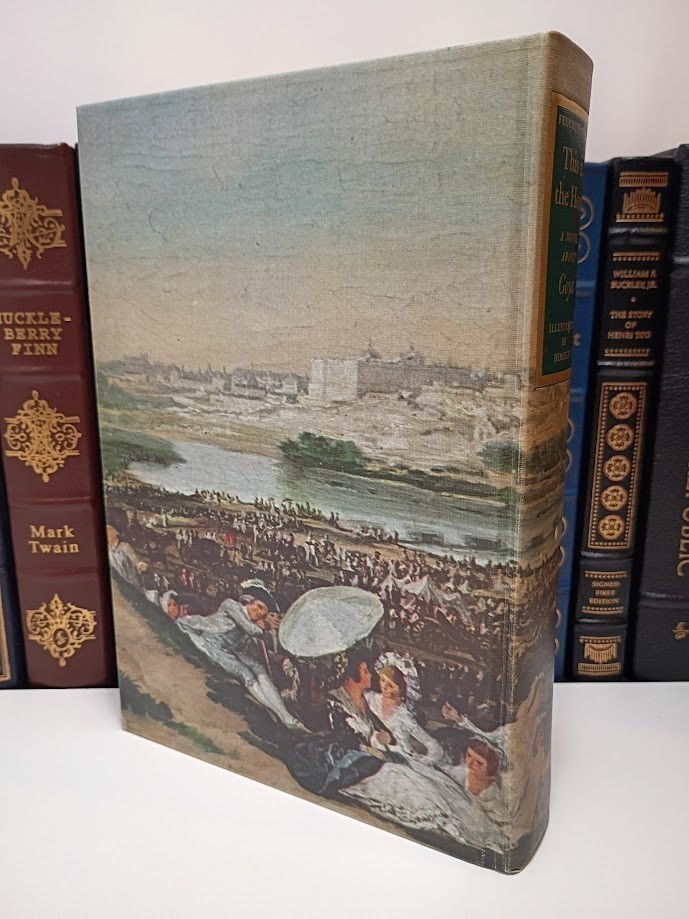
This Is The Hour Lion Feuchtwanger Goya Biography Heritage 1956 Vintage Art VG+
$ 15.82
Description
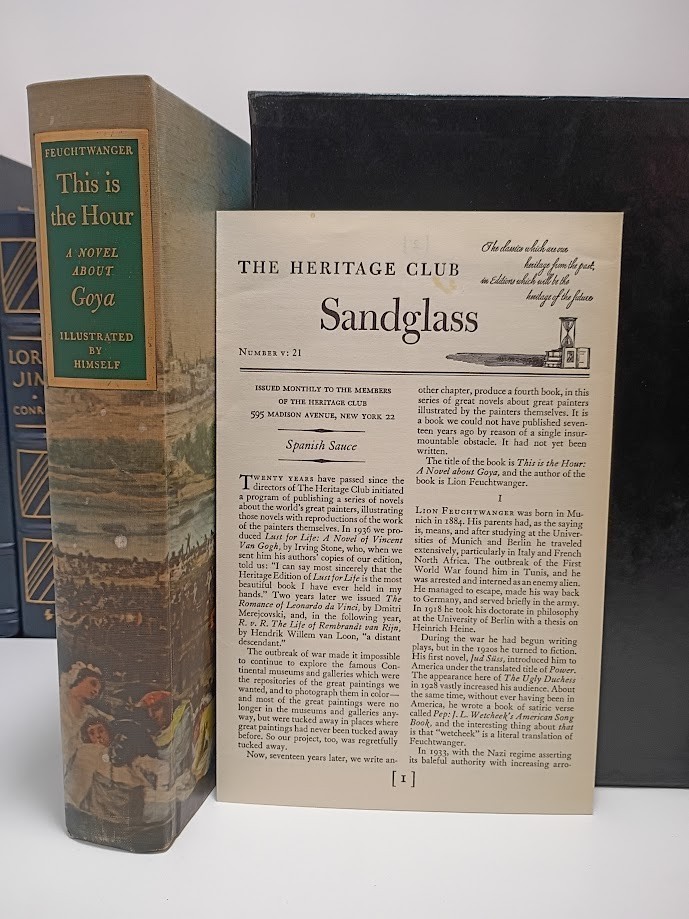
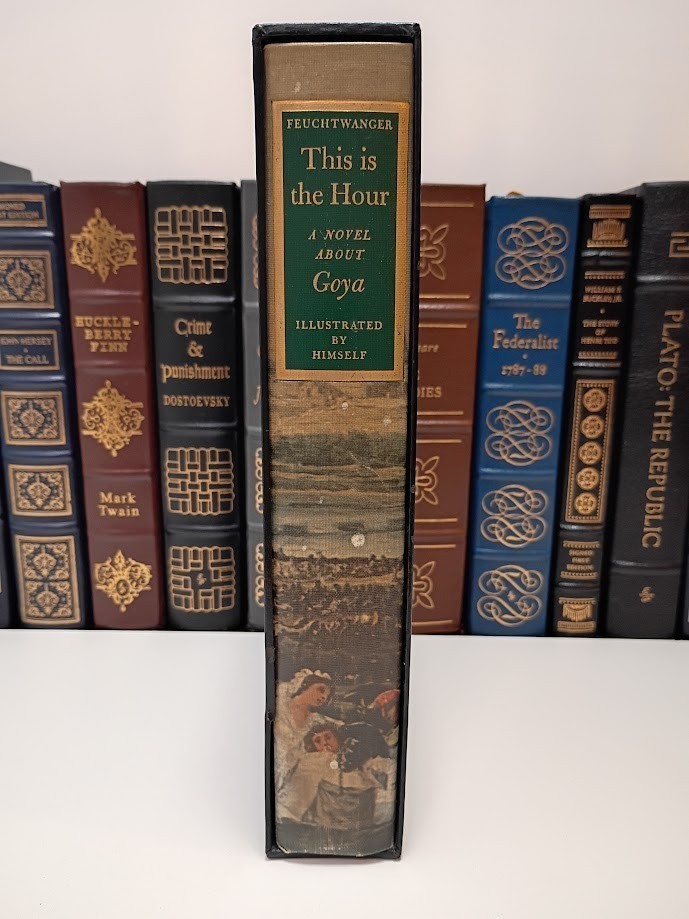
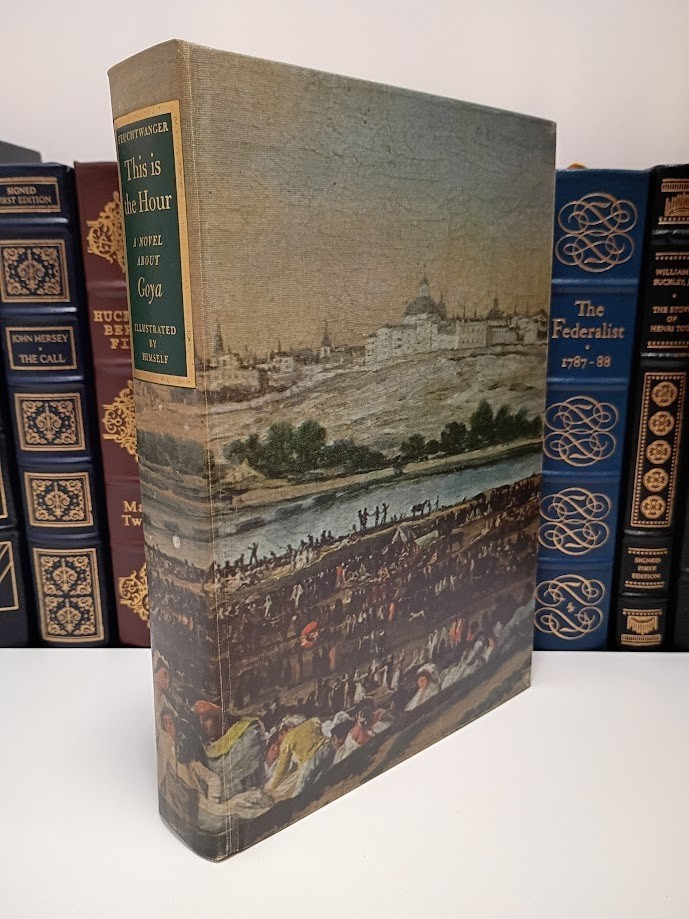
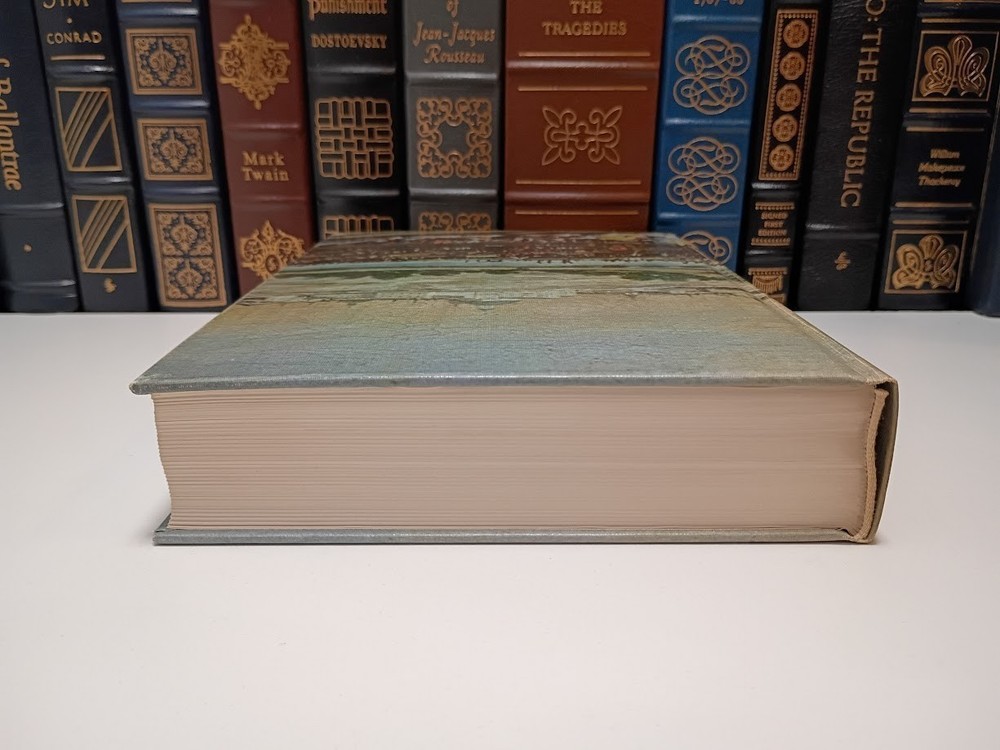
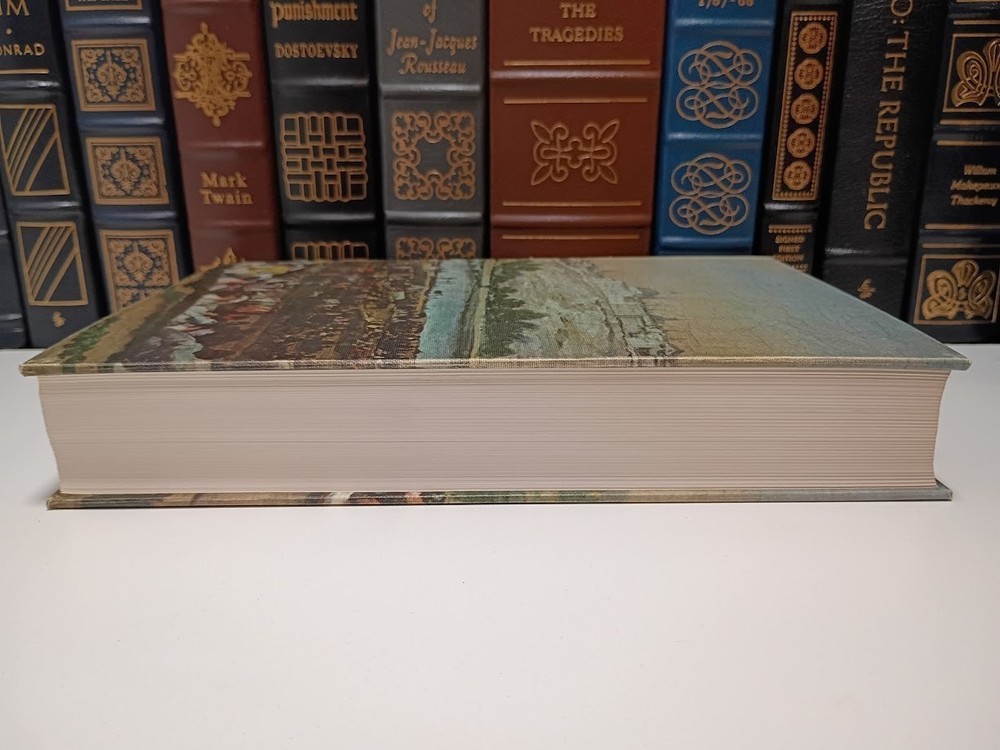
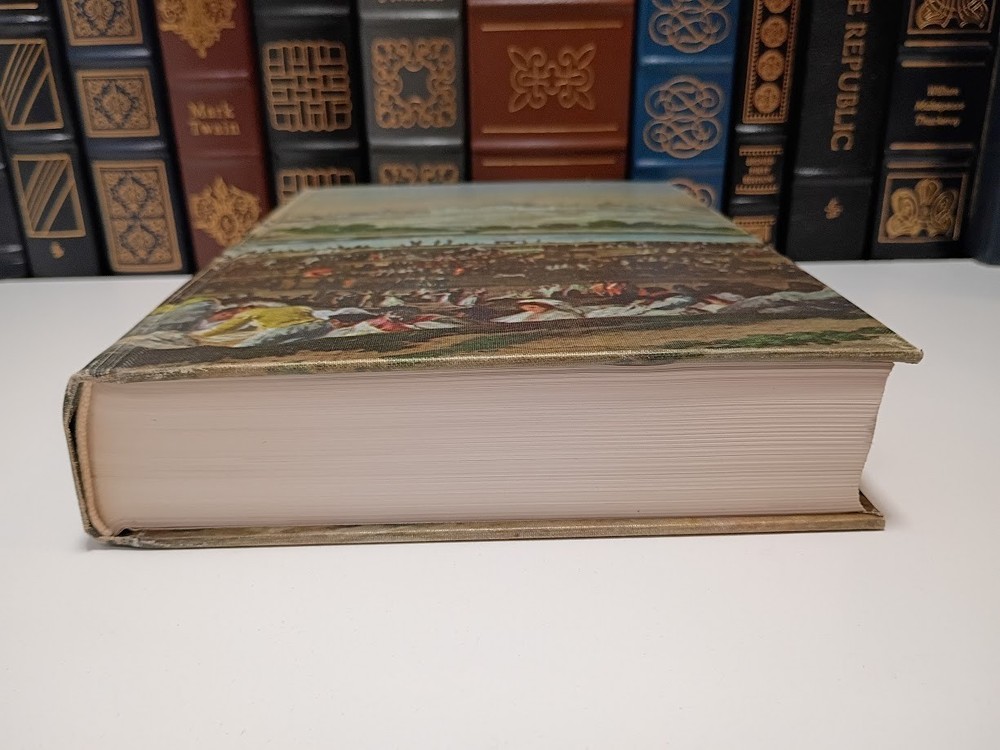
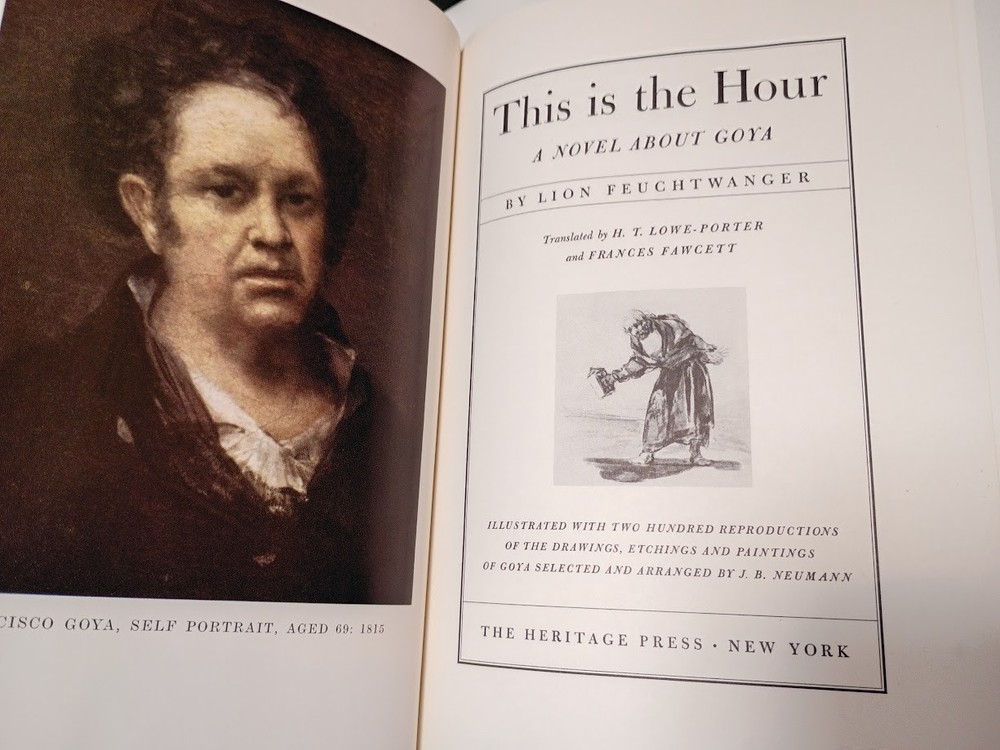
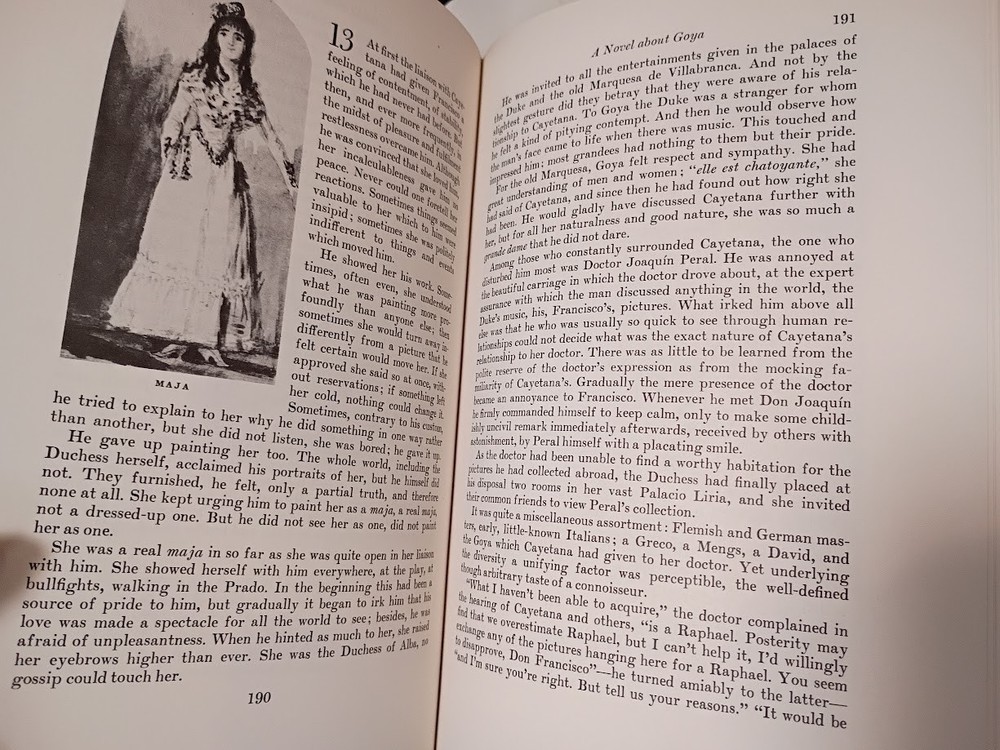
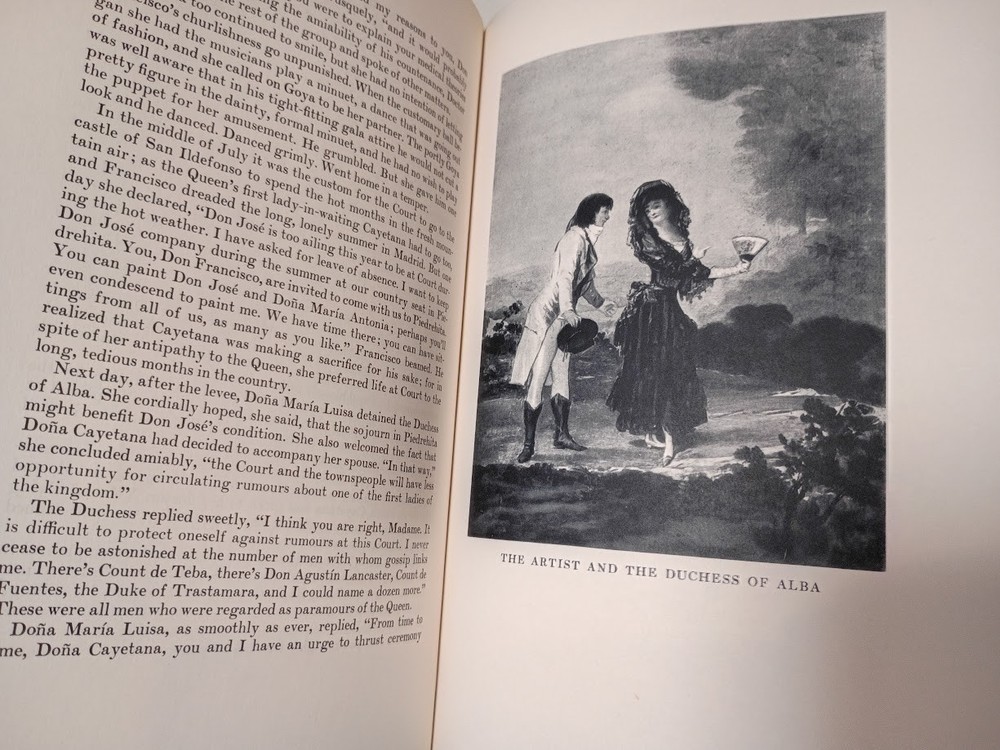
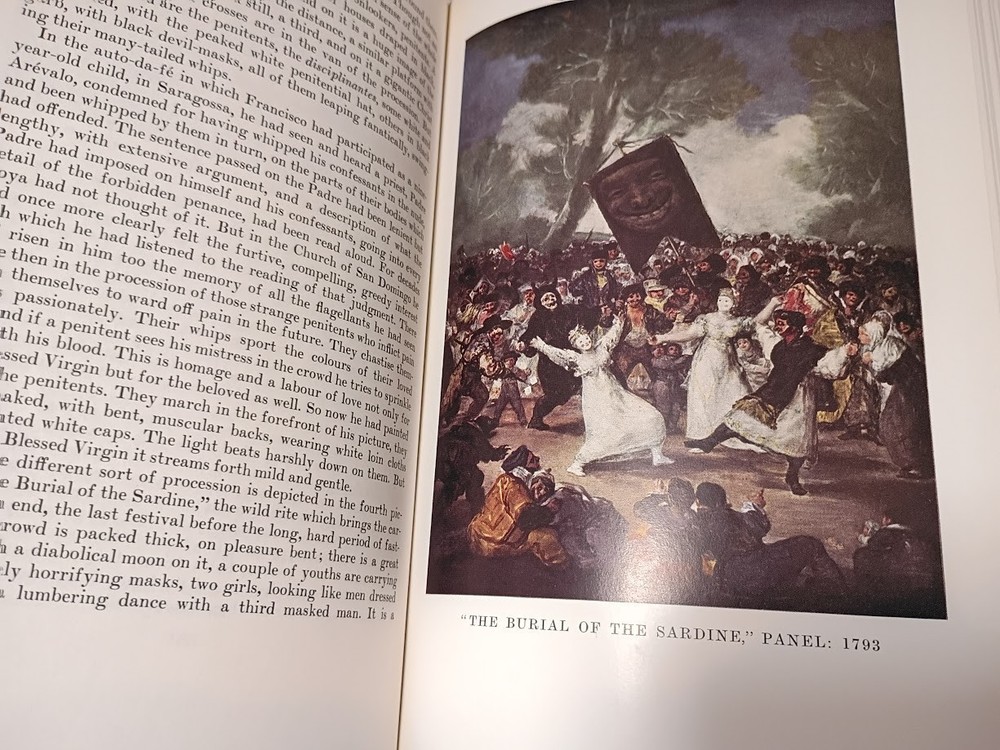
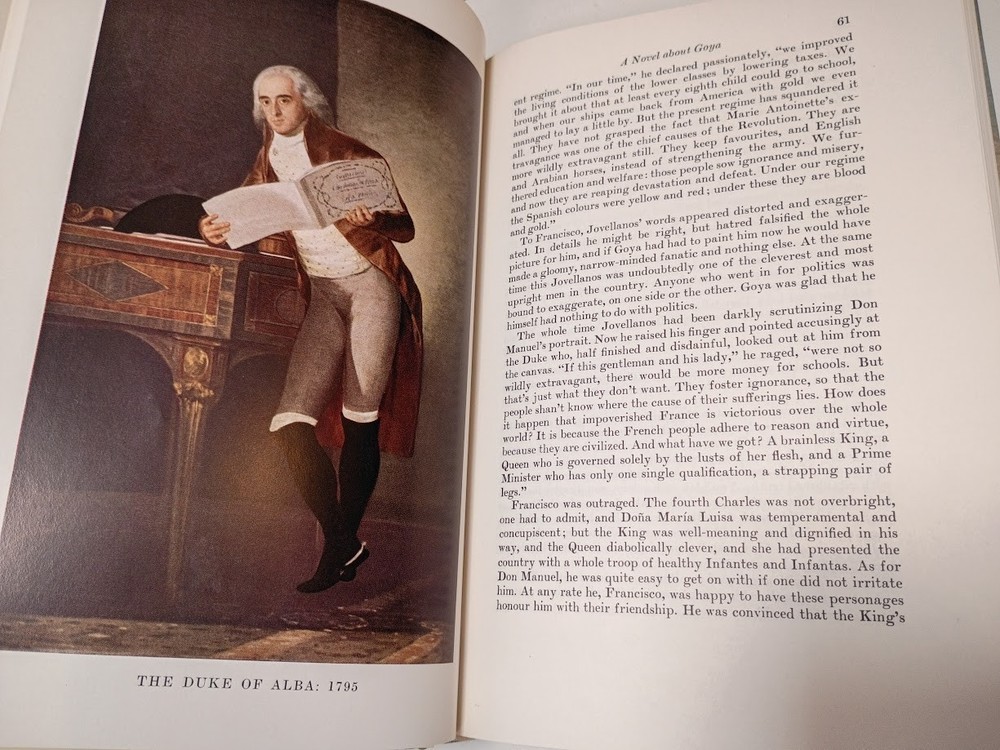
This Is The Hour Lion Feuchtwanger Goya Biography Heritage 1956 Vintage Art VG+. By Lion Feuchtwanger. 🎨 THE DEFINITIVE NOVEL OF GOYA: Lion Feuchtwanger's. Lion Feuchtwanger. At the center stands Francisco Goya: robust, ambitious, sensuous, and deeply conflicted. As Goya loses his hearing, his art transforms from courtly elegance to the nightmarish visions of the "Black Paintings" and the biting satire of "Los Caprichos.". This is the Hour Lion Feuchtwanger Heritage Press 1956 | Goya Biography THIS IS THE HOUR A Novel About Goya This is the Hour by Lion Feuchtwanger 🎨 A Portrait of a Genius: A sweeping biographical novel capturing the tumultuous life of Francisco Goya 🖼️ Illustrated with 200 Reproductions: Featuring the drawings, etchings, and paintings of Goya himself ⚔️ Historical Context: Set against the backdrop of the Spanish Inquisition and the Napoleonic Wars 💔 The Story: Chronicles Goya's rise to court painter, his passionate and tragic affair with the Duchess of Alba, and his descent into deafness and dark genius 🎭 The "Caprichos": Explores the creation of Goya's famous series of satirical etchings that mocked Spanish society HERITAGE PRESS 1956 200 ILLUSTRATIONS ORIGINAL SLIPCASE SANDGLASS INSERT HISTORICAL FICTION 📖 Condition Report ✓ Book: Excellent condition ✓ Binding: Tight and secure ✓ Pages: Clean, crisp, bright ✓ Interior: No markings ✓ Slipcase: Minor shelf wear ✓ Sandglass: Present & intact 🎨 THE DEFINITIVE NOVEL OF GOYA: Lion Feuchtwanger's This is the Hour is widely regarded as one of the finest novels ever written about an artist. It vividly reconstructs late 18th and early 19th-century Spain—a crumbling empire caught between the medieval darkness of the Inquisition and the Enlightenment ideals of the French Revolution. At the center stands Francisco Goya: robust, ambitious, sensuous, and deeply conflicted. The novel focuses particularly on his stormy relationship with the Duchess of Alba, a passion that fueled some of his greatest works. As Goya loses his hearing, his art transforms from courtly elegance to the nightmarish visions of the "Black Paintings" and the biting satire of "Los Caprichos." This Heritage Press edition is unique because it is illustrated by the artist himself—featuring 200 reproductions of Goya's work selected by J.B. Neumann, allowing readers to see the very art described in the text. Includes the original slipcase and the rare Sandglass insert. Specifications Title This is the Hour Author Lion Feuchtwanger Translators H.T. Lowe-Porter & Frances Fawcett Illustrator Francisco Goya (Reproductions) Arrangement J.B. Neumann Publisher Heritage Press Publication Year 1956 Binding Hardcover, Cloth Condition Excellent Slipcase Included (minor wear) Completeness With Sandglass Insert Genre Biographical Fiction / Art History Art, Passion, and Revolution This is the Hour is more than a biography; it is a profound exploration of the artistic temperament and the cost of genius. Lion Feuchtwanger, a master of historical fiction, transports the reader to the vibrant, dangerous world of the Spanish court. We meet Francisco Goya not as a distant historical figure, but as a man of flesh and blood—proud, insecure, lustful, and fiercely independent. The Duchess and the Painter: The emotional core of the novel is Goya's obsession with the Duchess of Alba. She is the most beautiful and scandalous woman in Spain—arrogant, capricious, and utterly captivating. Their relationship is a battle of wills that swings violently between love and hate. Feuchtwanger suggests that it was the pain of this relationship, combined with the tragedy of his deafness, that stripped away Goya's superficiality and forced him to look into the dark heart of humanity. A World in Transition: The novel is set during a pivotal moment in history. The French Revolution has sent shockwaves through Europe. In Spain, the corrupt court of King Charles IV and Queen Maria Luisa (whom Goya paints with unflinching honesty) dances on the edge of the abyss. The Inquisition still holds terrifying power, hunting for heretics and liberals. Goya navigates this treacherous landscape, trying to maintain his position at court while his art becomes increasingly subversive. The Birth of Modern Art: Feuchtwanger brilliantly dramatizes the creation of the Caprichos, the series of etchings where Goya abandoned the pleasantries of Rococo art to depict witches, goblins, and the follies of Spanish society. The novel argues that Goya was the first true "modern" artist—one who refused to flatter power and instead used his art to expose the "sleep of reason" that produces monsters. Visual storytelling: Unlike most novels about artists, this edition does not leave the reader to imagine the paintings. Included throughout the text are 200 reproductions of Goya's sketches, etchings, and paintings. Arranged by art historian J.B. Neumann, these illustrations are not just decoration but an integral part of the narrative, allowing you to trace the evolution of Goya's style as you read about his life. Profound Themes The Artist and Society Goya is torn between his role as a court painter—flattering kings and queens for money and status—and his inner drive to depict the truth. The novel asks: Can an artist serve power and still remain true to their vision? Deafness and Isolation As Goya loses his hearing, he is cut off from the world of easy conversation and courtly gossip. This isolation forces him inward, sharpening his visual perception and leading to the dark, visionary intensity of his later work. The Sleep of Reason A central theme is the battle between Enlightenment reason and medieval superstition. Goya's art exposes the monsters that emerge when a society rejects reason—a warning that felt particularly resonant when Feuchtwanger wrote the book in the wake of WWII. Destructive Passion The love between Goya and the Duchess is consuming and ultimately impossible. It explores how great suffering and emotional turmoil can be the crucible for great art. Memorable Lines "The sleep of reason produces monsters." — Goya's famous inscription (central theme of the book) "He had learned that a man can be a great painter and a very small man." — On the complexities of character "I see what I see, not what others want me to see." — Goya on his artistic integrity 📚 JT ENTERPORTALS 📚 Preserving Literary & Artistic Masterpieces >>Powered by WonderLister App